
A DWI arrest can be overwhelming, but you don’t have to face it alone.
You may be reading this after seeing flashing lights ahead, getting funneled into a line of cars, or being stopped during a heavy police presence near bars, stadiums, or holiday traffic. In that moment, one question matters fast: are checkpoints legal in texas?
The short answer is that formal DWI checkpoints are illegal in Texas. But that doesn’t mean police stop using checkpoint-like tactics. Officers often rely on saturation patrols, traffic stops for minor violations, and “No Refusal” operations that can feel a lot like a roadblock.
That difference matters. If the stop was unlawful, the evidence may be vulnerable. If the stop was technically legal, the defense strategy changes. Either way, your rights still matter, and an arrest is not the same as a conviction.
Navigating the Confusion Around Texas Roadblocks
A line of cars at night gets anyone’s attention. You see patrol lights, officers waving traffic through, maybe cones narrowing the roadway, and your first thought is usually simple: “Can they do this?”
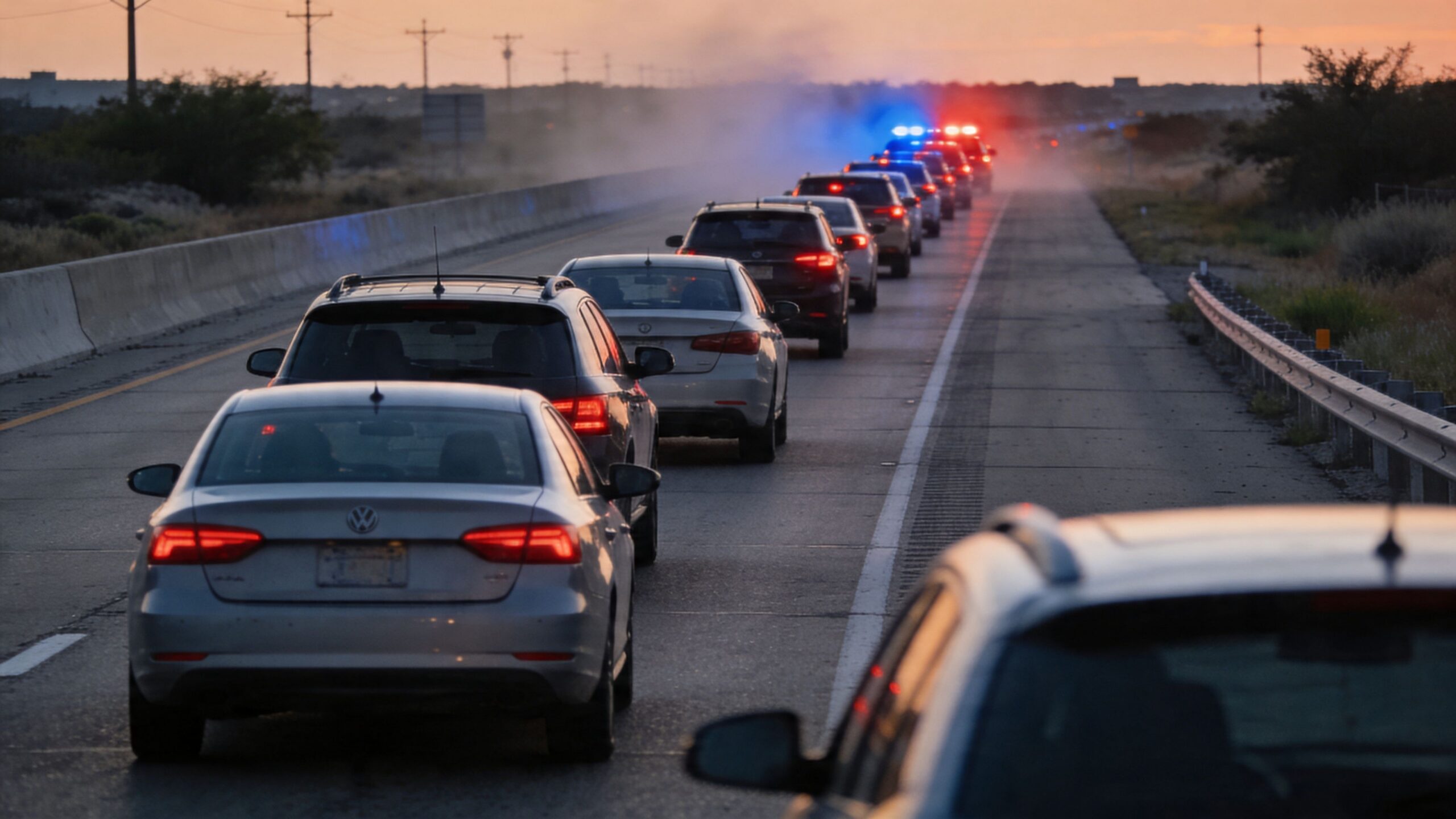
That question gets confusing because people use the word “checkpoint” to describe several different things. Some mean a true sobriety checkpoint, where officers stop cars without individualized suspicion to look for drunk drivers. Others mean a stop tied to licenses, registration, federal border enforcement, or a traffic pull-over during a high-enforcement weekend.
Why drivers get mixed up
Most drivers don’t have time to sort out legal categories on the shoulder of the road. They just know they were stopped.
The law, though, cares about the reason for the stop. A roadblock aimed at catching impaired drivers raises one set of constitutional issues. A stop for an administrative purpose can raise another. A one-car stop based on an officer claiming you drifted, failed to signal, or had a broken taillight is different again.
What matters in real life
If you were arrested for DWI, the right question usually isn’t just “Was this a checkpoint?” It’s also:
- What was the actual reason for the stop?
- Did the officer have legal grounds to pull you over?
- Was this a true checkpoint, or a saturation patrol dressed up to feel like one?
- Did police follow the rules after the stop began?
Practical rule: The legality of a Texas DWI case often starts with the first few minutes of contact between you and the officer.
That’s why understanding the stop matters so much. If police crossed the line at the beginning, your attorney may be able to challenge what happened afterward, including field sobriety tests, statements you made, and chemical test evidence.
The Short Answer Are Sobriety Checkpoints Legal in Texas
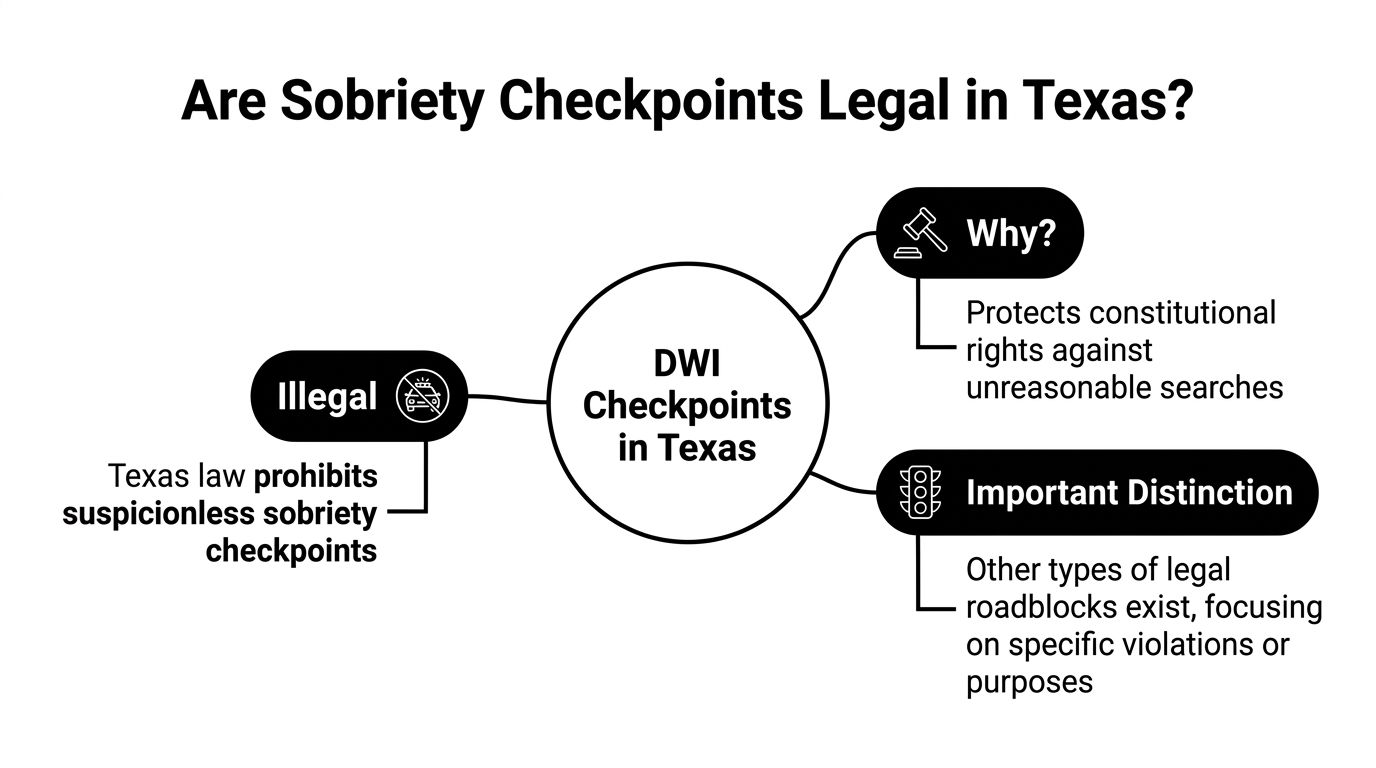
No. Sobriety checkpoints are illegal in Texas.
Texas is one of 12 states that ban them, despite a federal ruling allowing them in other states under certain conditions, according to the Texas Strategic Highway Safety Plan sobriety checkpoint action page.
Why Texas says no
The easiest way to understand it is this. Federal law sets a floor for constitutional protection. Texas can give you more protection under its own constitution, and in this area, it does.
The U.S. Supreme Court said in Michigan Dept. of State Police v. Sitz that sobriety checkpoints can be constitutional under the Fourth Amendment. But Texas courts took a different path under the Texas Constitution. Texas courts have treated suspicionless DWI stops as violating stronger state privacy protections.
The legal requirements function like two locks on the same door. One lock is federal. The other is Texas state law. Even if police can get through the federal lock in some states, they still have to get through the Texas lock here.
Why that helps the defense
That state-law protection matters because police generally need reasonable suspicion or probable cause to stop a driver in Texas. They can’t just stop a stream of drivers to see who might be impaired.
A true sobriety checkpoint does exactly that. It stops first and investigates later. Texas law doesn’t allow that approach for DWI enforcement.
Texas gives drivers stronger protection against suspicionless DWI stops than the federal minimum.
What people often miss
Some readers hear “checkpoints are illegal” and assume any traffic operation involving multiple officers must also be illegal. That’s not always true.
Police can still run aggressive DWI enforcement in Texas. They just can’t use a formal sobriety checkpoint model. That’s why the next question is just as important: When can police legally stop you anyway?
Legal Checkpoints in Texas When Can Police Stop You
Not every checkpoint-style stop is automatically unlawful in Texas. The key issue is the purpose of the stop.

License and registration checks
Texas law allows some checkpoints for administrative purposes. In Lujan v. State (2011), Texas recognized that checkpoints for verifying driver’s licenses and registration can fall under a special needs exception, but they can’t be used as a pretext for generalized crime control or DWI investigation, as explained in this discussion of enforcement of DUI checkpoints in Texas.
That sounds technical, but the practical question is simple: what were officers really trying to do?
If police say the operation was about licenses and insurance, but the setup, instructions, and conduct show the actual goal was catching drunk drivers, the defense can challenge it.
The real-purpose test
Courts look past labels. Calling something a “license check” doesn’t automatically make it legal.
A defense lawyer may examine:
- Supervisor planning: Who approved the operation, and what written purpose was given?
- Officer instructions: Were officers told to focus on documents, or to look for intoxication clues?
- Selection method: Were vehicles stopped under a neutral plan, or in an arbitrary way?
- What happened on scene: Did the stop function like an administrative check, or like a DWI dragnet?
| Type of stop | General rule in Texas | Main legal issue |
|---|---|---|
| Sobriety checkpoint | Illegal | Suspicionless DWI screening |
| License or registration checkpoint | Sometimes allowed | Must serve an administrative purpose |
| Ordinary traffic stop | Allowed with legal cause | Officer needs reasonable suspicion |
Federal checkpoints
Some drivers in Texas also encounter federal immigration checkpoints. Those involve different legal authority and are not the same as a state-run DWI checkpoint.
That distinction matters because drivers sometimes use “checkpoint” as a catch-all term. A state DWI roadblock, a license check, and a federal immigration stop aren’t judged under the same rules.
If police stopped you in Texas, the label on the operation matters less than the legal authority behind it.
The bottom line
When police stop drivers without individualized suspicion, courts want a narrow, lawful reason. If the stop drifts into ordinary criminal investigation, especially DWI detection, that’s where constitutional problems begin.
No Refusal Weekends The DWI Checkpoint Alternative
Texas bans formal sobriety checkpoints, but officers still use enforcement strategies designed to catch impaired drivers quickly. The most common examples are saturation patrols and No Refusal weekends.
These operations can feel like a checkpoint because police cluster in one area, watch traffic closely, and make repeated stops over a short period. But legally, they aren’t supposed to stop cars at random.
What saturation patrols look like
A saturation patrol usually means more officers in a smaller area. They focus on places and times associated with DWI arrests, then pull over drivers for observed violations.
The violation can be minor. Maybe the officer says you failed to signal, rolled through a stop, drifted within a lane, or had defective equipment. Once the stop begins, the investigation may shift to whether the officer claims to smell alcohol, hear slurred speech, or see signs of impairment.
The legal hinge is still the same. The officer needs a valid reason for the initial stop.
What No Refusal actually means
Many drivers hear “No Refusal” and think it means you have no rights. That’s not what it means.
Under Texas implied consent law, a person who drives on Texas roads is considered to have agreed to provide a breath or blood specimen after a lawful DWI arrest under certain circumstances. If you refuse after arrest, police may seek a warrant for a blood draw. A “No Refusal” operation usually means officers and judges are set up to move that warrant process faster.
It does not mean police can skip the legal basis for the stop. It also does not mean you lose the ability to challenge the arrest.
Key terms that matter
- Implied consent means driving in Texas carries legal conditions tied to post-arrest chemical testing.
- BAC stands for blood alcohol concentration.
- Field sobriety test means roadside physical or divided-attention exercises officers use to claim impairment.
- Administrative license suspension means a separate driver’s license consequence handled through an administrative process, apart from the criminal case.
A “No Refusal” weekend changes how fast police may pursue a warrant. It doesn’t make an unlawful stop lawful.
Why this gray area matters
Law enforcement often uses these operations to create the illusion of checkpoints, relying on minor alleged violations to build individualized suspicion, as described in this overview of Texas DUI checkpoint locations and related enforcement tactics.
That’s why defense strategy has to be precise. If the case came from a true checkpoint, the attack may focus on the stop being facially unconstitutional. If it came from a saturation patrol, the defense may focus on whether the officer had a lawful reason to pull you over in the first place.
Your Rights if Stopped at a Texas Roadblock
If you’re stopped, your job is to stay calm and avoid making the case easier for the state.
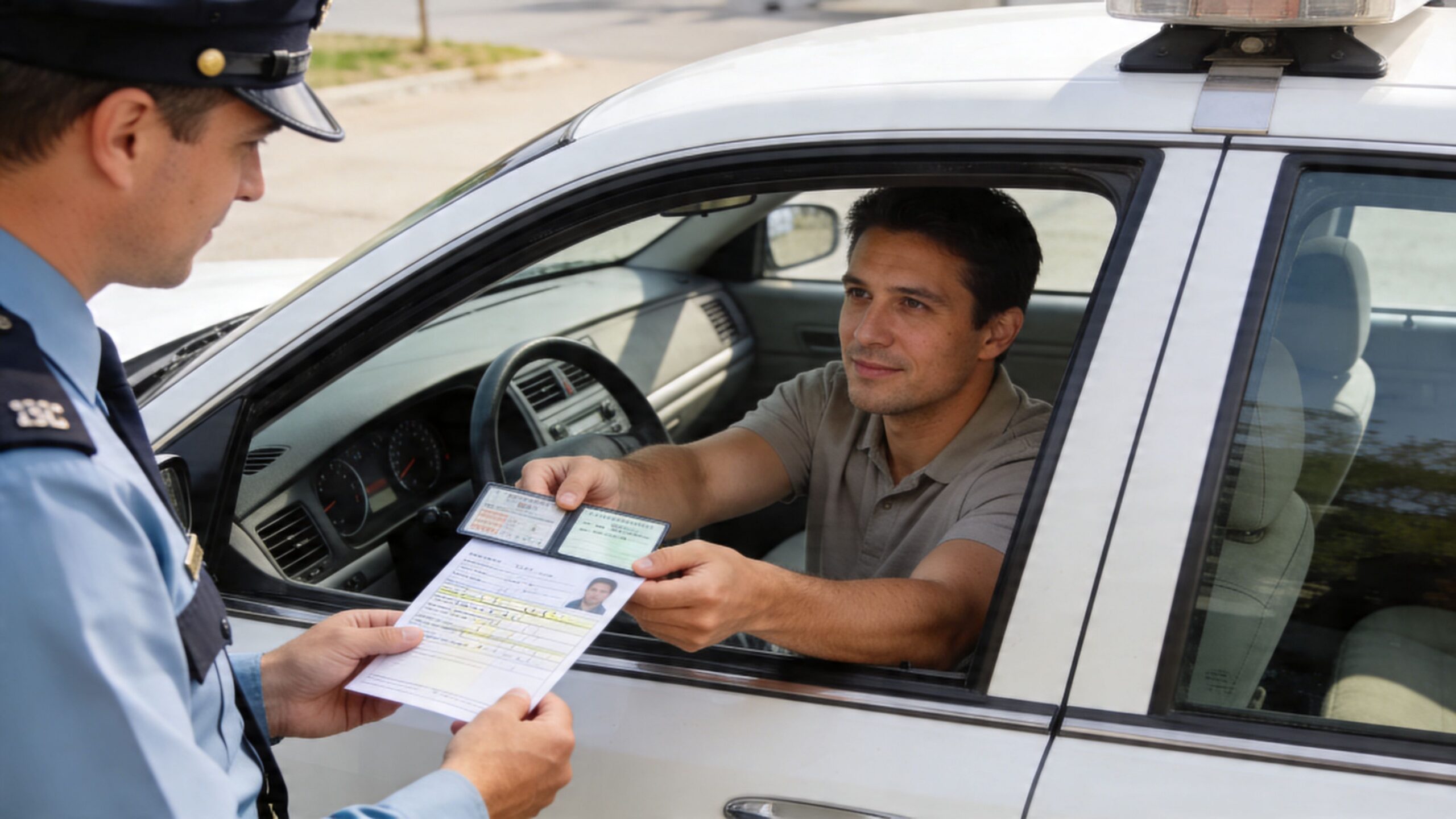
You don’t need to argue on the roadside. You do need to protect your position.
What to do during the stop
Pull over safely.
Turn off the car if appropriate, keep your hands visible, and don’t make sudden movements.Provide basic documents.
You generally need to show your driver’s license and proof of insurance when required.Use your right to remain silent carefully.
You can be polite without answering investigative questions. If an officer asks where you were, what you drank, or how much, you don’t have to give detailed answers.Don’t volunteer extra information.
Small talk often becomes evidence. Casual statements about dinner, drinks, medication, or being tired can end up in the report.Be respectful, not chatty.
Courts don’t reward roadside arguments. A calm, brief response protects you better.
Field sobriety tests and roadside questions
Many drivers assume they must do everything an officer asks before arrest. That’s not always true.
Field sobriety tests are roadside exercises such as walking heel-to-toe, standing on one leg, or following an object with your eyes. Officers use them to build evidence. They are often presented as routine, but they are part of the investigation.
You should also understand the difference between roadside screening and post-arrest testing. A traffic stop can move fast, and the legal consequences may change once an arrest occurs.
For a closer look at those constitutional issues, this guide on DWI checkpoints and constitutional rights in Texas is helpful.
Know this: Being cooperative does not mean waiving every right.
Here’s a plain-language video that helps explain the stop and arrest process:
Chemical tests and license consequences
After arrest, the stakes change.
If police request a breath or blood specimen after a lawful DWI arrest, refusal can trigger an administrative license suspension, sometimes called ALR for Administrative License Revocation. That is a separate process from the criminal court case.
People often get caught off guard. They focus only on the DWI charge and miss the deadline-driven license issue.
What happens after a DWI arrest
A typical Texas DWI process may include:
- Booking and release conditions: You may be taken to jail, booked, and later released on bond.
- Administrative license case: Your right to drive can be challenged in a separate DPS-related process.
- Criminal court dates: The prosecution moves forward even if the license issue is handled separately.
- Defense review: Your attorney examines the stop, arrest, testing, and officer reports for weaknesses.
If this is your first DWI in Texas, don’t assume the state’s version of events is final. The same is true if you’re worried about a DWI license suspension, your CDL, a professional license, or your job. A Houston DWI lawyer or Texas DUI attorney should review the stop early, before deadlines and evidence problems stack up.
How a DWI Attorney Challenges an Unlawful Stop
The most important thing to know after an arrest is that the case is still being built. That gives the defense room to act.
The motion to suppress
One of the strongest tools in a checkpoint or roadblock case is a motion to suppress. That asks the court to exclude evidence obtained through an unlawful stop.
Under Article I, Section 9 of the Texas Constitution, drivers have broader privacy protections than under the federal constitution, and that can support suppression when a stop was based on an unconstitutional suspicionless checkpoint, as discussed in this explanation of how to file a motion to suppress evidence.
If the court agrees the stop was illegal, the state may lose critical evidence gathered afterward.
What the defense looks for
A good challenge starts with details, not assumptions.
An attorney may review:
- Dashcam and bodycam footage to compare the officer’s report with what occurred
- Dispatch logs and operation plans to see whether a so-called traffic operation was really a DWI dragnet
- The alleged reason for the stop to test whether it was specific and credible
- Field sobriety evidence for poor instructions, environmental problems, or officer exaggeration
- Breath or blood issues involving procedure, timing, or warrants
- The ALR case to fight the separate license suspension track
Why timing matters
The sooner a lawyer gets involved, the better chance there is to preserve footage, challenge deadlines, and identify constitutional defects before they get buried in routine paperwork.
That matters whether your goal is dismissal, a reduction, a better negotiation position, or protection from avoidable license damage.
For example, the Law Office of Bryan Fagan, PLLC handles DWI defense matters involving stop review, field sobriety challenges, chemical test issues, and administrative license hearings. In practice, that means a lawyer can attack both the criminal case and the license consequences at the same time.
An unlawful stop can weaken the entire prosecution, not just one piece of evidence.
A strategic defense is not the same as an excuse
Courts don’t dismiss cases because someone was frustrated or because the arrest felt unfair. They respond to legal errors, missing proof, weak observations, and constitutional violations.
That’s why a focused defense matters if you want to fight DWI Texas charges effectively. The question isn’t whether police accused you. The question is whether they followed the law from the first moment of contact to the final test result.
Conclusion Take Control of Your Case Today
If you came here asking are checkpoints legal in texas, the answer is clear on one level and more complicated on another. Formal sobriety checkpoints are illegal in Texas. But police still use heavy-enforcement tactics that can look and feel like checkpoints.
That’s why details matter. A stop during a saturation patrol isn’t analyzed the same way as a true checkpoint. A No Refusal operation doesn’t erase your rights. And an arrest doesn’t mean the state’s case is solid.
If you’re facing a DWI charge, the smartest next step is to get the stop reviewed quickly. That includes the reason for the pull-over, what the officer said, how the field sobriety tests were handled, whether chemical testing was lawful, and what needs to be done about your license.
You don’t have to sort through that alone. Calm, early action can make a real difference in your case, your license, and your future.
If you were arrested after a suspected checkpoint, saturation patrol stop, or No Refusal weekend, contact Law Office of Bryan Fagan, PLLC for a free and confidential case evaluation. Our team helps Texans challenge unlawful stops, defend first-time and repeat DWI charges, address ALR and DWI license suspension issues, and build a practical strategy for court. If you need a Houston DWI lawyer or Texas DUI attorney, reach out today and get clear answers about your options.