
When you hear enforcement of DUI checkpoints Texas, you might picture flashing lights on a quiet stretch of road late at night. You’re not alone — that’s exactly the scene most people imagine. But there’s much more to sobriety checkpoints than just waving officers and cones in the road. In Texas, these checkpoints are a carefully planned law‑enforcement strategy used to deter impaired driving, protect public safety, and identify drivers under the influence before tragedy strikes. Understanding how enforcement works can help you know what to expect, what rights you have, and why these operations happen the way they do.
In this detailed, human‑centered exploration, we’ll break down enforcement of DUI checkpoints Texas step by step. You’ll learn how checkpoints are planned, what police look for, how legal standards shape procedures, and how real people have experienced them — for better or worse. This article blends legal insight, real‑world scenarios, and practical analysis so you truly understand how DUI checkpoint enforcement functions in Texas.
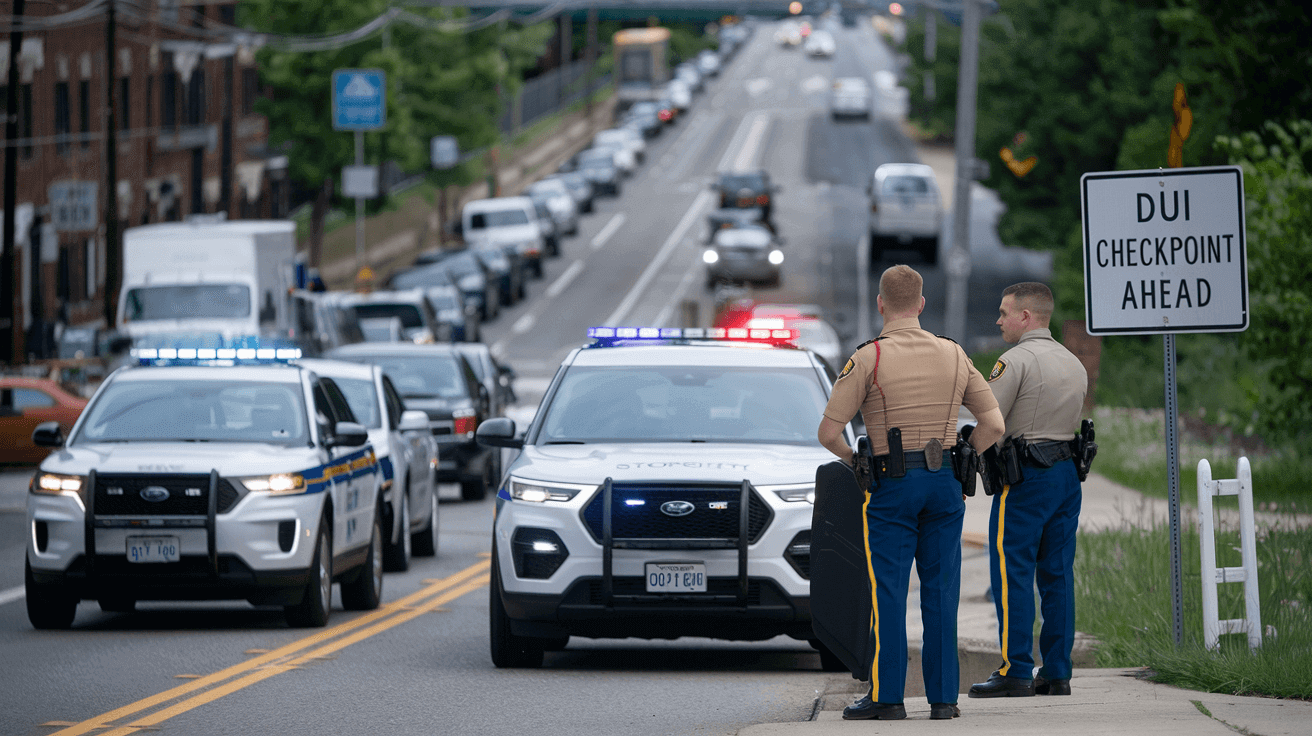
What Is Enforcement of DUI Checkpoints in Texas?
A Law‑Enforcement Tool for Public Safety
At its core, enforcement of DUI checkpoints Texas refers to the systematic stopping of vehicles by police at predetermined locations to check for impaired drivers. These checkpoints are not random or arbitrary. They are organized operations meant to reduce alcohol‑ and drug‑related crashes by increasing the perceived and actual risk of detection.
In Texas, sobriety checkpoints (often referred to as DUI checkpoints) must follow legal guidelines designed to balance public safety with constitutional protections. Unlike traffic stops based on individualized suspicion, checkpoints involve temporarily stopping a string of vehicles according to a preset pattern — for example, every third car — and observing drivers for signs of impairment. If an officer sees red flags, further evaluation can follow.
The idea isn’t to trap careless drivers, but to prevent preventable collisions. Enforcement of DUI checkpoints Texas reflects that purpose: discourage impaired driving, catch offenders before they cause harm, and remind drivers that the community prioritizes safe roads.
The Legal Basis for DUI Checkpoints in Texas
Constitutional Grounding and Court Standards
It’s important to recognize that the enforcement of DUI checkpoints Texas operates under constitutional scrutiny. In the United States, the Fourth Amendment protects citizens against unreasonable searches and seizures. Police must justify stops based on legal standards. But sobriety checkpoints occupy a unique legal space.
Texas law does not contain a specific statutory authorization for DUI checkpoints. Instead, law enforcement relies on constitutional allowances rooted in U.S. Supreme Court precedent and state case law. The courts have generally upheld checkpoints as constitutional when they follow certain rules, including:
- Advance public notice of checkpoint operations
- Neutral stopping methods (e.g., every third car)
- Minimal intrusion during the stop
- Overall focus on public safety, not revenue or harassment
In practice, this means police agencies plan checkpoint locations and procedures in advance. They announce the operations through media or official channels, and they set up tents, cones, and signs that clearly indicate a checkpoint zone. As part of the enforcement of DUI checkpoints Texas, these safeguards make the process predictable, transparent, and legal.
How Law Enforcement Plans Checkpoints
Strategic Timing and Location
The enforcement of DUI checkpoints in Texas rarely happens by accident. Behind every operation, there’s a strategy. Police departments tend to plan checkpoints around:
- High‑risk times, such as late nights, holidays, or weekends
- Areas with a history of impaired driving crashes
- Community events where alcohol consumption is common
For example, near Austin during the Fourth of July weekend, multiple checkpoints might be set up along major thoroughfares between bars and residential neighborhoods. Officers know these routes see heavy traffic and higher incidences of DUI arrests, so enforcement is concentrated there to maximize impact on public safety.
Police also track historical crash and arrest data to decide where checkpoints will have the most influence. This data‑driven approach underscores the purpose behind enforcement: not merely stopping cars, but reducing the conditions that allow drunk driving to flourish.
What Happens When You Approach a DUI Checkpoint
Step‑by‑Step During Enforcement
When encountering the enforcement of DUI checkpoints Texas, the interaction generally follows a predictable flow:
- Advance Warning Signs
As you approach, you’ll typically see signs or cones warning of a sobriety checkpoint ahead. These notices are part of the legal requirement that checkpoints must be publicized. - Officer Instructions
Officers will direct traffic slowly through the checkpoint. They may ask for driver’s license and proof of insurance. - Observation for Impairment
While talking to you, the officer watches for signs of intoxication: slurred speech, the smell of alcohol, bloodshot eyes, or unsteady posture. - Decision Point
If the officer sees no signs of impairment, you’ll be waved through. If an officer suspects intoxication, you may be directed to a secondary screening area within the checkpoint zone. - Field Sobriety or Chemical Testing
At the secondary area, you could be asked to perform field sobriety exercises or take a breath or blood test — especially if probable cause for arrest arises.
This procedure highlights how the enforcement of DUI checkpoints Texas balances intrusion with practical public safety goals: stops are brief and systematic, yet law enforcement has the ability to escalate when suspicion is justified.

Field Sobriety Tests and Checkpoint Enforcement
What You Need to Know
Once pulled aside during DUI checkpoint enforcement, officers might ask you to perform standardized field sobriety tests (SFSTs). Texas officers commonly use three tests:
- Horizontal Gaze Nystagmus (HGN) – following an object with your eyes
- Walk‑and‑Turn – walking heel‑to‑toe in a straight line
- One‑Leg Stand – standing on one foot and counting aloud
These exercises assess balance, coordination, and mental focus. While officers administer them to gather evidence of impairment, it’s essential to remember that:
- You have the right to refuse field sobriety tests.
- Refusing may limit evidence but could still factor into officer judgment.
Understanding this is a key part of how the enforcement of DUI checkpoints Texas interacts with individual rights. Officers use these tests to decide whether to move forward with arrests or chemical testing, but you always retain constitutionally protected choices about participation.
Breath and Blood Testing Following a Checkpoint Stop
Implied Consent and Its Consequences
If an officer believes impairment exists based on checkpoint observations and field tests, they may request a breath or blood test to measure BAC (blood alcohol concentration). In Texas, implied consent laws mean that:
- By driving on state roads, you have already agreed to submit to chemical testing if lawfully arrested.
- Refusing a breath or blood test can trigger an automatic administrative license suspension (separate from criminal charges).
That means the enforcement of DUI checkpoints Texas includes both criminal and administrative dimensions. A refusal doesn’t end the process; it simply redirects it into administrative consequences that can affect your license long before any criminal case is resolved.
Nonetheless, drivers retain the right to refuse, and such refusals can still form part of defense strategies in legal proceedings.
Real‑Life Scenario: A Night Out Gone Awry
What Happened to Marcus
Marcus, a 32‑year‑old engineer in Houston, was driving home after a celebration with coworkers when he encountered a checkpoint near downtown. He had consumed two beers earlier, but he felt confident he was fine to drive. As he approached, flashing lights and cones created a clear checkpoint zone.
During the enforcement of DUI checkpoints Texas, an officer asked Marcus for his license and registration. The officer noticed a slight odor of alcohol and asked him to step to a secondary area. Marcus performed a few field exercises but felt nervous and unsteady. The officer then performed a breath test, which showed a BAC slightly above 0.08%.
Marcus was arrested. At the station, he learned not only would he face DUI charges, but his license could be administratively suspended due to the implied consent law. In court later, his attorney successfully argued about testing irregularities, resulting in reduced charges. But the experience illustrates how swiftly enforcement at checkpoints can escalate — and how critical it is to understand your rights and options.
Administrative License Revocation (ALR) and Checkpoints
A Separate, Parallel Process
In Texas, the enforcement of DUI checkpoints Texas triggers two parallel tracks:
- Criminal DUI Case – handled in criminal courts
- Administrative License Revocation (ALR) – handled by the Department of Public Safety
If you fail or refuse a chemical test, DPS typically suspends your license automatically after arrest. You then have a limited window (usually 15 days) to request an ALR hearing. Winning that hearing does not dismiss criminal charges, but it can protect your driving privileges.
This dual process reflects the layered nature of DUI enforcement in Texas. Checkpoints may lead to overlapping legal consequences that unfold in different forums — both court and administrative.
Legal Challenges to Checkpoint Enforcement
Can You Fight a DUI Stop?
Because DUI checkpoints involve stopping drivers without individualized suspicion, courts scrutinize whether the enforcement of DUI checkpoints Texas meets constitutional requirements. Defense attorneys may challenge:
- Whether the checkpoint was publicized in advance
- Whether stopping procedures were neutral and systematic
- Whether the checkpoint actually served public safety rather than arbitrary enforcement
Sometimes, an improperly executed checkpoint can lead to suppressed evidence — meaning that breath results or field test observations could be barred from trial. However, successfully challenging a checkpoint often requires strong legal arguments and factual support.
Public Awareness and Pre‑Checkpoint Notices
Why Transparency Matters
Law enforcement agencies often precede DUI checkpoints with public notices. They may post information on social media, press releases, or community announcements. These notices serve at least two functions:
- Increase public awareness of upcoming enforcement
- Help reinforce the legal legitimacy of checkpoint enforcement
In this way, enforcement of DUI checkpoints Texas doesn’t operate in a vacuum. Agencies strive to make checkpoints known, which not only helps satisfy constitutional standards but also promotes the preventive purpose: fewer impaired drivers on the road because people know checkpoints occur.
Saturation Patrols vs. Checkpoints
Different Enforcement Methods
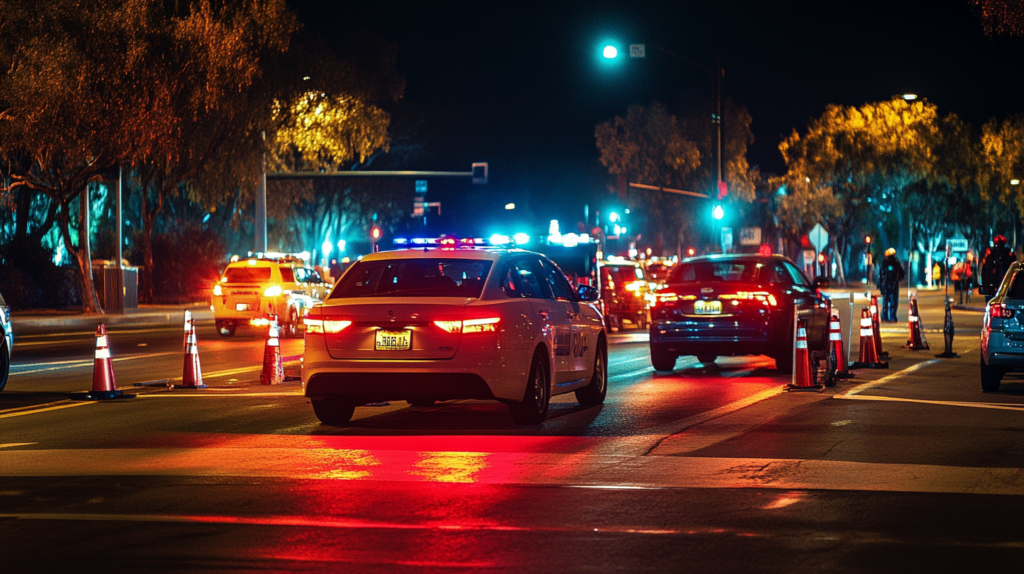
It’s also important to distinguish enforcement of DUI checkpoints Texas from other methods like saturation patrols. While checkpoints involve systematic stops at fixed locations, saturation patrols mean:
- Many officers patrol areas with a high prevalence of impaired driving
- Officers make traffic stops based on individual observations
- Field enforcement can be dynamic and mobile
Both methods aim to reduce impaired driving, but they operate differently. Understanding these differences helps drivers recognize that checkpoints are just one part of broader DUI enforcement strategies.
The Role of Data in Selecting Checkpoint Sites
Evidence‑Driven Enforcement
When law enforcement plans checkpoints, they often rely on crash and arrest data. Areas with recurring DUI incidents or frequent crashes become prime candidates for checkpoint enforcement. By using data in this way, agencies hope to maximize the public safety benefits of checkpoint enforcement rather than conduct operations arbitrarily.
This analytical approach reflects best practices in DUI prevention and underscores why checkpoints happen where they do.
Impact on DUI Arrest Statistics
How Checkpoints Influence Numbers
Checkpoints can increase DUI arrest numbers during the periods they are active. But more importantly, they influence driver behavior over the long term. Research and anecdotal evidence suggest that when communities regularly enforce checkpoints, impaired driving rates tend to decrease over time — a major theme in the enforcement of DUI checkpoints Texas.
Drivers who know checkpoints are common, visible, and publicized tend to make fewer risky choices before leaving events where alcohol is present.
Balancing Public Safety and Individual Rights
The Legal and Ethical Tightrope
The heart of enforcement of DUI checkpoints Texas lies in balancing two societal goals:
- Protecting the public from impaired drivers
- Upholding constitutional protections against unreasonable searches and seizures
Courts, law enforcement, and defense attorneys all operate within this balance. Agencies must prove their checkpoints serve a legitimate public safety goal, while defense counsel may challenge the procedures if they seem arbitrary or rights‑violating.

This dynamic tension shapes how checkpoints function in Texas today.
Final Thoughts: What Drivers Should Know
Key Takeaways
Understanding the enforcement of DUI checkpoints Texas gives you realistic expectations and practical knowledge about what to expect on the road. When law enforcement conducts checkpoints with transparency and neutral procedures, they remain legally valid and focused on public safety rather than arbitrary stops. Drivers also retain important rights during these encounters, including the right to refuse field sobriety tests and the right to request an Administrative License Revocation hearing if their license is threatened. Checkpoint enforcement plays a broader role in reducing impaired driving and preventing serious accidents across Texas. Just as importantly, how you respond during a checkpoint stop can influence what happens next. Whether you’re a long‑time Texan or new to the state, understanding how these checkpoints work helps you drive more responsibly and make safer choices behind the wheel.