
When people talk about drunk driving, they usually focus on fines, license suspension, and maybe some jail time. But for commercial drivers, the DUI impact on CDL Texas laws can be devastating. A single mistake behind the wheel doesn’t just threaten your driving privileges — it threatens your entire livelihood. If you hold a Commercial Driver’s License (CDL) in Texas, a DUI charge hits differently, harder, and often permanently.
In this detailed guide, we’re going to unpack exactly how the DUI impact on CDL Texas regulations work, why commercial drivers are held to a higher standard, and what happens step-by-step after an arrest. We’ll look at real-world scenarios, long-term consequences, federal regulations, and the harsh reality that many CDL holders discover too late.
Whether you’re a truck driver, delivery operator, bus driver, oilfield hauler, or employer of CDL drivers, understanding the DUI impact on CDL Texas law is critical. Because when your job depends on your license, even a misdemeanor can turn into a career-ending event.
Understanding CDL Laws in Texas
Why CDL Holders Are Treated Differently
Before diving into the DUI impact on CDL Texas cases, it’s important to understand one basic principle: CDL holders are held to stricter standards than regular drivers.
Under federal law — specifically the Federal Motor Carrier Safety Regulations (FMCSR) — commercial drivers must maintain a higher level of responsibility because they operate large, potentially dangerous vehicles that can cause catastrophic harm if mishandled.
In Texas, this means:
- The legal BAC limit for CDL holders operating a commercial vehicle is 0.04%, not 0.08%.
- CDL holders can lose their commercial privileges even if the DUI occurs in a personal vehicle.
- Certain violations result in automatic disqualification — not just suspension.
That’s why the DUI impact on CDL Texas law is so severe. It combines both state criminal penalties and federal administrative consequences.
The Lower BAC Threshold: 0.04% Changes Everything
Twice as Strict as Regular Drivers
For non-commercial drivers in Texas, the legal limit is 0.08%. For CDL holders operating a commercial motor vehicle, the limit is 0.04%.
Let that sink in.
One or two drinks can put a CDL holder over the limit. And here’s the kicker: you don’t need to be visibly intoxicated. You just need to test at or above 0.04%.
Real-Life Scenario:
Carlos, a long-haul truck driver based in Houston, had dinner at a truck stop and drank two beers over 90 minutes. He felt fine. During a routine traffic stop, he blew a 0.045%. That small difference cost him his CDL for one year — even though he wasn’t weaving or driving erratically.
This is one of the clearest examples of how the DUI impact on CDL Texas drivers can be far harsher than most expect.
DUI in a Personal Vehicle Still Affects Your CDL
A Mistake on Saturday Can Cost You Monday’s Job
Many CDL holders believe that if they get a DUI in their personal vehicle, their commercial license is safe. Unfortunately, that’s not how it works.
Under Texas law and federal regulations:
- A DUI conviction — even in a personal car — results in automatic CDL disqualification.
- A first offense typically means 1-year disqualification.
- A second offense can mean lifetime disqualification.
It doesn’t matter if you were off duty. It doesn’t matter if you were driving your own pickup truck. The DUI impact on CDL Texas rules doesn’t separate your “work life” from your “personal life.”
Example:
Jamal, a school bus driver in Dallas, received a DUI while driving home from a birthday party in his personal SUV. His BAC was 0.09%. He never drove impaired on the job — but that didn’t matter. His CDL was disqualified for one year, and he lost his employment within days.
First-Offense DUI and CDL Disqualification
What Happens Immediately
Let’s break down the DUI impact on CDL Texas disqualification rules for a first offense.
If convicted of DUI (or DWI in Texas), you face:
- 1-year CDL disqualification
- Immediate removal from commercial driving duties
- Criminal penalties (fines, possible jail, probation)
- License suspension for your standard Class C license
If the DUI involved hazardous materials (HazMat), the disqualification increases to 3 years.
This isn’t negotiable. Even deferred adjudication or probation does not protect your CDL if there is a conviction.

Second DUI Offense: Career Over
Lifetime Disqualification
Under federal and Texas law, a second DUI conviction results in lifetime CDL disqualification.
There is a possibility of reinstatement after 10 years in some cases, but it’s not guaranteed. And during that decade, you cannot legally work as a commercial driver.
This is the most severe aspect of the DUI impact on CDL Texas law. It is not just punishment — it’s professional elimination.
Administrative License Revocation (ALR) and CDL
Refusing a Test Makes It Worse
Texas has implied consent laws. If you refuse a breath or blood test:
- Your regular driver’s license can be suspended.
- Your CDL privileges can also be disqualified.
For CDL holders, refusing testing can trigger:
- Automatic 1-year disqualification
- Even without a criminal conviction
So when analyzing DUI impact on CDL Texas, it’s important to understand that refusal does not “protect” you. In fact, it often worsens the consequences.
No Occupational CDL
A Harsh Reality
One of the most frustrating parts of the DUI impact on CDL Texas law is this:
You cannot obtain an occupational CDL.
While regular drivers can sometimes get an occupational license to drive to work, CDL holders cannot use that restricted license to operate commercial vehicles.
That means if your CDL is disqualified, you cannot legally drive a truck, bus, or commercial vehicle for work — period.
Insurance Consequences
Employers Notice Everything
Beyond legal penalties, there’s another layer: insurance.
Commercial carriers have strict insurance requirements. A DUI on your record can:
- Make you uninsurable under company policies
- Increase premiums dramatically
- Cause automatic termination under company safety policies
Even if your CDL is technically eligible for reinstatement, many employers won’t take the risk.
This hidden side of the DUI impact on CDL Texas rules often surprises drivers more than the legal consequences.
Employment Fallout
Immediate Termination Is Common
Most trucking companies and commercial employers have zero-tolerance DUI policies.
After a DUI arrest:
- You may be placed on suspension immediately.
- After conviction, termination is likely.
- Even pending cases can cause job loss.
Case Study:
Ernesto, a refinery transport driver in Corpus Christi, was arrested for DUI on a weekend. His employer suspended him immediately pending outcome. Even though he negotiated a reduced charge, the company policy required termination after any alcohol-related arrest.
This demonstrates how the DUI impact on CDL Texas drivers often extends beyond the courtroom.
Federal Drug and Alcohol Clearinghouse
A Permanent Record
Since 2020, all DUI-related violations involving commercial drivers must be reported to the Federal Motor Carrier Safety Administration (FMCSA) Clearinghouse.
This means:
- Your violation is visible nationwide.
- Employers must check your record before hiring.
- You must complete a return-to-duty process before reinstatement.
Even after serving a disqualification period, you must complete substance abuse evaluation and follow-up testing.
The DUI impact on CDL Texas cases now follows drivers across state lines.
Return-to-Duty Process
It’s Not Automatic
If your CDL disqualification ends, you still must:
- Complete an evaluation with a Substance Abuse Professional (SAP).
- Follow all recommended treatment or education.
- Pass a return-to-duty drug/alcohol test.
- Complete follow-up testing program.
This process is costly and time-consuming. It also doesn’t guarantee employment.
Aggravating Factors That Make It Worse
HazMat, School Buses, and Injury
Certain situations intensify the DUI impact on CDL Texas drivers:
- Driving a HazMat vehicle
- Operating a school bus
- Causing an accident with injuries
- Having prior alcohol-related violations
These cases often result in enhanced penalties and greater employer consequences.
Criminal Penalties on Top of CDL Consequences
Two Separate Systems
Remember: CDL disqualification is separate from criminal punishment.
In Texas, DWI penalties can include:
- Up to 180 days in jail (first offense)
- Fines up to $2,000
- Probation
- Ignition interlock devices
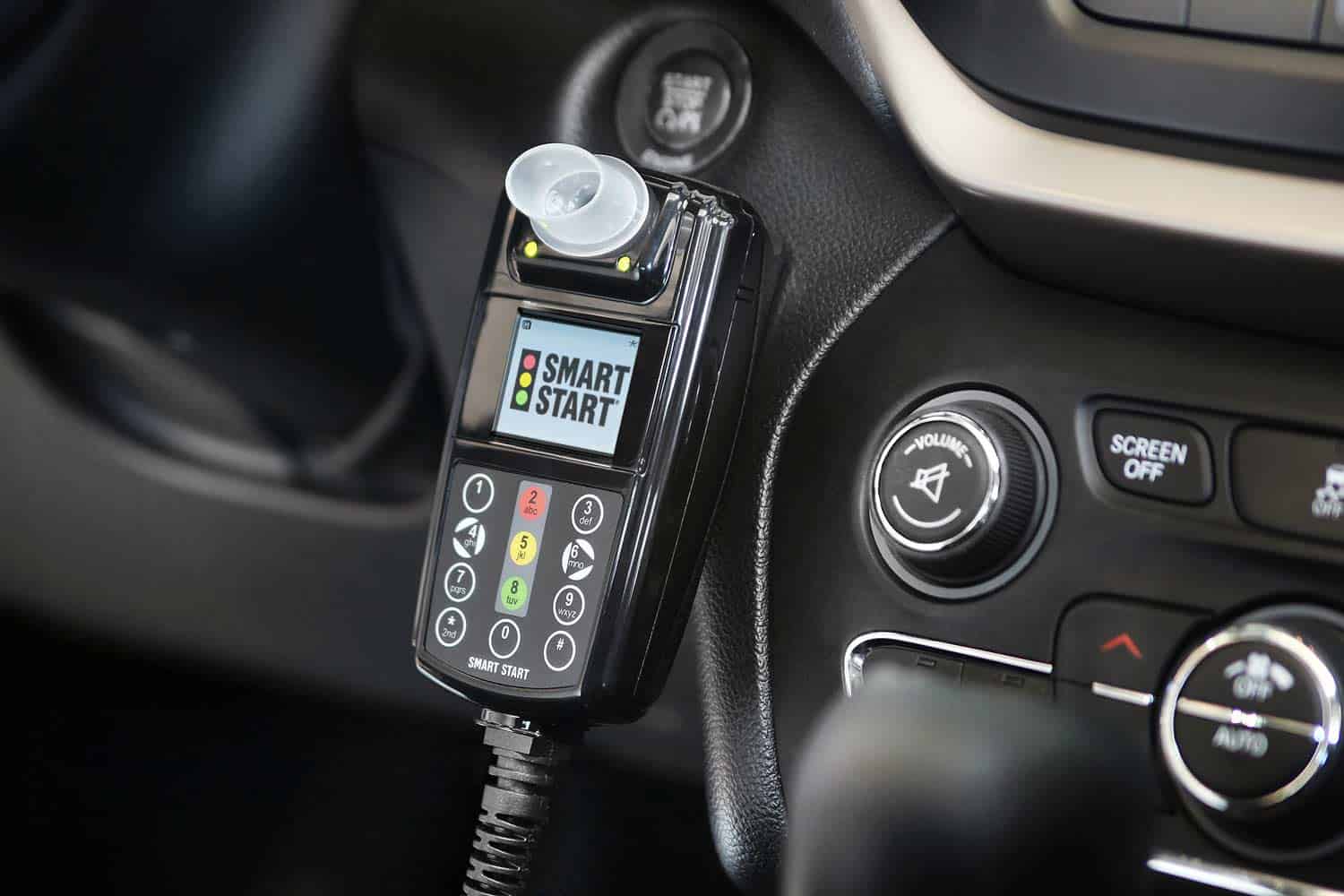
So CDL holders face both criminal court penalties and administrative disqualification simultaneously.
Real-Life Example: A Career Lost in 24 Hours
Mark had been driving commercially for 18 years. One evening, he drove his personal car after dinner and was stopped for speeding. His BAC was 0.082%.
Within 24 hours:
- His employer suspended him.
- His CDL disqualification process began.
- His insurance eligibility was flagged.
- His income stopped.
Despite having no prior offenses, the DUI impact on CDL Texas law effectively ended his career in less than a day.
Can a DUI Be Reduced to Save a CDL?
Negotiation Matters
In some cases, a skilled defense attorney may negotiate a reduction from DWI to:
- Obstruction of a Highway
- Reckless Driving
However, federal law prohibits “masking” convictions for CDL holders. Courts cannot simply hide a DUI conviction to preserve your CDL.
Still, pre-trial strategies, suppression motions, and aggressive defense can sometimes prevent a conviction altogether — which is the only true way to protect your CDL.
Defending Against DUI as a CDL Holder
What You Must Do Immediately
If arrested:
- Contact a DWI defense attorney immediately.
- Request an ALR hearing within 15 days.
- Do not assume your CDL is protected.
- Preserve evidence quickly.

Time matters tremendously in DUI impact on CDL Texas cases.
Final Thoughts: The Stakes Are Higher for CDL Holders
For most drivers, a DUI is serious. For CDL holders, however, it can be catastrophic. The DUI impact on CDL Texas regulations brings a much harsher reality: lower BAC limits, no option for an occupational CDL, mandatory license disqualification, lifetime bans for repeat offenses, federal reporting requirements, steep insurance barriers, and in many cases, complete career destruction. When your livelihood depends on holding a commercial license, you simply cannot treat a DUI charge casually. The legal, financial, and professional consequences are far too severe. Protecting your CDL requires a clear understanding of the law, swift action after an arrest, and a strong defense strategy built from the very beginning.