
Driving while intoxicated is a serious offense in the Lone Star State, and Texas doesn’t play games when it comes to keeping impaired drivers off the road. One tool the state uses to prevent repeat offenses is the ignition interlock device (IID). But here’s the catch: how these devices are ordered, monitored, and enforced can vary dramatically by location. That’s why understanding the Texas ignition interlock requirements by county is more important than you might think.
In this article, we’ll break down what an ignition interlock device is, when it’s required under Texas law, and how different counties apply these rules. You’ll find a detailed comparison of key counties like Harris, Travis, Bexar, and Tarrant—and you’ll hear real stories of drivers who learned the hard way what happens when you’re caught off guard.
So buckle up. Whether you’re facing a DWI charge or just trying to stay informed, this guide will walk you through the patchwork landscape of Texas ignition interlock requirements by county and help you navigate the road ahead.

What Is an Ignition Interlock Device?
How It Works
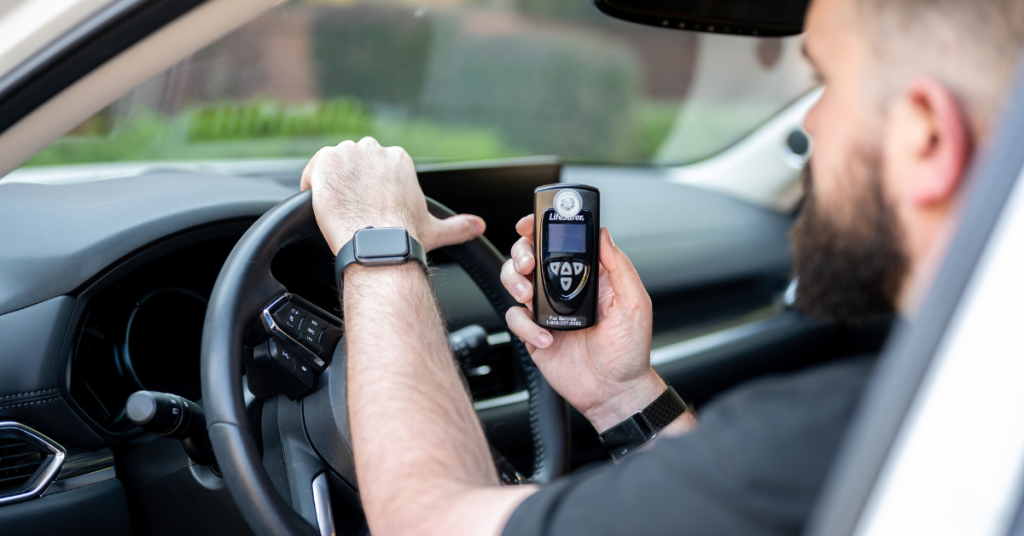
An ignition interlock device is basically a breathalyzer wired into your vehicle. Before starting your car, you blow into the device. If it detects a BAC (blood alcohol concentration) over a preset limit—usually 0.02% or higher—the vehicle won’t start.
In Texas, courts may require IIDs for:
- First-time DWI offenders
- Repeat DWI offenders
- Drivers with a BAC of 0.15% or higher
- Drivers under 21 with any detectable alcohol
- Anyone granted occupational or restricted driving privileges
Understanding Texas ignition interlock requirements by county starts with knowing when the law steps in and says: “From now on, you breathe before you drive.”
Texas State Law on Ignition Interlocks
The Baseline Everyone Must Follow
Texas Penal Code §49.09 and Transportation Code §521.246 spell out when IIDs must be installed. At the state level, Texas mandates that judges order ignition interlock devices for:
- Second or subsequent DWI offenses
- DWI offenses with a BAC of 0.15% or more
- As a condition of bond or probation for certain DWI cases
However, Texas is a decentralized state, meaning that how these laws are applied can vary by county. Judges have broad discretion. Some counties treat IIDs as a default for any DWI; others reserve them for high-risk offenders.
That’s why understanding Texas ignition interlock requirements by county isn’t just smart—it’s necessary.
Harris County: One of the Toughest in Texas
Zero Tolerance, Zero Wiggle Room
If you’re charged with a DWI in Houston or anywhere in Harris County, expect strict enforcement of ignition interlock policies. Harris County judges are known for requiring IIDs even for first-time offenders.
Standard practices in Harris County:
- Ignition interlocks are mandatory for most DWI pre-trial bonds
- High BAC? IID is guaranteed
- Even first-time offenders may be required to install an IID within 24–48 hours
- Harris County Probation Department strictly monitors compliance
Story: Jordan, a 22-year-old from Houston, got his first DWI after leaving a concert. His BAC was 0.09%, just over the legal limit. Despite having no prior record, the court required him to install an IID immediately. He paid over $1,200 over the course of six months—not including court fees and increased insurance.
If you’re in Harris County, consider an IID requirement a near certainty. Among Texas ignition interlock requirements by county, Harris sets the bar for enforcement.
Travis County: A Balanced but Firm Approach
Austin Keeps It by the Book—with a Progressive Twist
In Travis County, where Austin is located, judges are firm but also focused on rehabilitation. If you’re a first-time offender, you might be offered DWI court programs in exchange for a lighter sentence—but an IID is often part of the deal.
Common scenarios in Travis County:
- Ignition interlocks for all BACs above 0.15%
- First-time offenders may get deferred adjudication with IID as a condition
- Repeat offenders see stricter enforcement and longer durations
- Some cases allow for Smart Start remote monitoring instead of traditional IID
Story: Alicia, a nurse in Austin, was arrested for a second DWI. Her attorney negotiated a plea that kept her out of jail—but she had to use an ignition interlock for 12 months. “The device was annoying, but at least I could work,” she said.
When comparing Texas ignition interlock requirements by county, Travis County blends public safety with second chances—but doesn’t go easy on high BAC cases.

Bexar County: Focused on Monitoring and Compliance
San Antonio Takes the Court’s Orders Seriously
In Bexar County, judges closely follow statutory guidelines but are known for intense monitoring. If an IID is ordered, expect follow-up, check-ins, and potential surprise audits.
Typical practices in Bexar County:
- IID required for BAC over 0.15% or any second offense
- Electronic monitoring may supplement IID orders
- Failure to comply results in bond revocation or jail time
- Specialty DWI courts offer alternatives—but they’re strict
Story: Marco, a mechanic in San Antonio, failed two rolling retests on his IID. He thought nothing would happen. Instead, he was called back to court and his occupational license was revoked for 90 days.
This high level of accountability makes Bexar stand out in the discussion of Texas ignition interlock requirements by county.
Tarrant County: A Case-by-Case Framework
Fort Worth Keeps It Flexible—But Firm
Unlike some other large counties, Tarrant County offers a bit more judicial discretion. Judges evaluate risk factors before requiring ignition interlocks.
What to expect in Tarrant County:
- IID required for BAC of 0.15% or repeat offenses
- First-time, low-BAC offenders might avoid the device
- Deferred adjudication is common—but may still include IID
- Domestic violence history can trigger stricter conditions
Case: A college student in Fort Worth avoided an IID after proving his BAC was barely above the legal limit and agreeing to counseling and community service. His case highlights how Texas ignition interlock requirements by county aren’t always black and white.
Rural Counties: Less Consistent, Often Harsher
Small-Town Courts, Big-Time Consequences
In many rural Texas counties, judges operate with more autonomy and, surprisingly, may impose stricter IID rules. Smaller dockets mean more time to scrutinize each case—and some judges err on the side of caution.
Key trends in rural counties:
- Some require IID for all DWI charges, regardless of BAC
- Others rely heavily on probation departments to enforce use
- Delays in installation due to fewer certified service providers
- Less access to alternative programs like DWI court
Example: In Llano County, a young man got a DWI after swerving on a back road. Even though his BAC was 0.08%, the judge ordered a year-long IID and denied any occupational license—citing a zero-tolerance community policy.
In the broader landscape of Texas ignition interlock requirements by county, rural regions can be unpredictable.
How Ignition Interlock Duration Is Determined
Not All Timeframes Are Equal
Texas law gives judges flexibility in setting how long an IID must be used. Factors that influence this include:
- Number of prior offenses
- Level of BAC
- Whether injury or property damage occurred
- Defendant’s cooperation
- Participation in alcohol education programs
Typical duration timelines:
- First offense: 90 days to 1 year
- Second offense: 6 months to 2 years
- Third offense or more: 1–2 years minimum, sometimes longer
Counties may also impose additional time if violations occur during the monitoring period, such as missed calibrations or failed breath tests.
Costs of Compliance: What You’ll Pay
The Hidden Price Tag of Ignition Interlocks
While IID costs are relatively standard across the state, how they’re handled varies by jurisdiction. Here’s a breakdown:
- Installation fee: $70–$150
- Monthly monitoring: $60–$90
- Device removal: $50–$100
- Missed service fee: $25–$50
- Bond condition compliance: Varies by court
Some counties offer financial hardship programs or sliding scales for low-income individuals. However, these programs are not universally available.
Your out-of-pocket cost over a 12-month period can range from $800 to $1,500. When considering Texas ignition interlock requirements by county, understanding the financial implications is crucial.
What Happens If You Violate IID Terms?
It’s Not Just a Warning—It’s a Court Date
Ignition interlock violations—like failing a breath test, tampering with the device, or skipping maintenance appointments—can lead to:
- Bond revocation
- Extended IID duration
- License suspension
- Jail time
- Higher fines
Each county handles violations differently. Harris County may call you to court within days. Others might wait until your next scheduled check-in.
If you’re under a court order, treat every blow test and appointment like a court hearing—because they often carry the same weight.

Final Thoughts on Texas Ignition Interlock Requirements by County
While the Texas Penal Code lays out the framework, enforcement of ignition interlock laws isn’t uniform across the state. Some counties are known for harsh, automatic orders. Others evaluate cases with nuance. A few rely heavily on probation monitoring, while others involve the judge directly in compliance.
The reality is: Texas ignition interlock requirements by county vary more than many people realize. That variation can impact everything—from your driving privileges to your wallet to your criminal record.
If you or a loved one are facing DWI charges in Texas, don’t assume one-size-fits-all rules apply. Know your county. Know your judge. And most of all, know your options.