
DWI blood draw warrant issues often become one of the most important legal questions in a drunk driving case because blood test results can dramatically influence the outcome of a prosecution. Many drivers know they may be asked to provide a breath or blood sample after a DWI arrest, but far fewer understand when police can legally obtain a blood sample, when consent is required, and when officers must first obtain a warrant from a judge.
For many defendants, the issue arises unexpectedly.
Imagine a driver in Texas pulled over late at night after allegedly weaving between lanes. The officer suspects intoxication and requests field sobriety tests. After the investigation, the driver is arrested for DWI. At the station, the officer asks for a blood sample. The driver refuses. He assumes the matter is over because he exercised his right to refuse.
Instead, officers begin preparing paperwork for a judge.
A short time later, a warrant is approved, and the blood draw proceeds despite the refusal.
This scenario surprises many people.
The rules surrounding a DWI blood draw warrant have changed significantly over the years due to court decisions involving privacy rights, search protections, and technological advancements that allow officers to obtain warrants more quickly than ever before.
Understanding when a warrant is required, when exceptions may apply, and how blood evidence becomes part of a criminal case helps explain one of the most important areas of modern DWI law.

Why Blood Tests Matter in DWI Cases
Blood testing often plays a central role in drunk driving prosecutions.
Blood Tests Measure Alcohol and Drugs
Unlike field sobriety tests, blood analysis can provide scientific evidence regarding:
- Alcohol concentration
- Drug presence
- Controlled substances
- Prescription medications
Prosecutors View Blood Evidence as Powerful
Jurors often see blood test results as objective scientific evidence.
As a result, a DWI blood draw warrant frequently becomes one of the most heavily litigated issues in a case.
What Is a DWI Blood Draw Warrant?
A DWI blood draw warrant is a court order authorizing law enforcement to obtain a blood sample from a suspected impaired driver.
Judges Issue Warrants
Before approving a warrant, a judge generally reviews information provided by law enforcement.
The Purpose of the Warrant
The warrant gives officers legal authority to collect blood evidence even if the driver refuses voluntary testing.
This authority stems from constitutional search and seizure principles.
Why Warrants Are Necessary
Blood draws involve significant privacy concerns.
A Blood Draw Is Considered a Search
The government is physically obtaining biological evidence from a person’s body.
Constitutional Protections Apply
The Fourth Amendment protects individuals from unreasonable searches and seizures.
Because of those protections, a DWI blood draw warrant often becomes necessary before obtaining a nonconsensual sample.
A Real-Life Style Example
A woman leaves a social gathering and is stopped by police after allegedly running a red light.
Officers suspect intoxication and arrest her for DWI.
At the station, she declines to provide a blood sample.
Several years ago, officers might have faced significant delays obtaining authorization. Today, electronic warrant systems allow judges to review applications quickly.
Within a short period, a warrant is approved and a blood sample is collected.
This example illustrates how modern DWI investigations often proceed.
The Difference Between Consent and a Warrant
Many DWI investigations begin with a request rather than a warrant.
Officers Often Ask First
Drivers may be asked to:
- Provide a breath sample
- Provide a blood sample
Consent Changes the Analysis
If a driver voluntarily agrees, officers generally do not need a DWI blood draw warrant.
The legal issues become different when consent is refused.
What Happens When a Driver Refuses?
Refusal creates an important turning point.
Refusal Does Not Automatically End the Investigation
Many people assume refusing a blood test prevents evidence collection.
That assumption is often incorrect.
Officers May Seek a Warrant
If probable cause exists, law enforcement may request judicial authorization.
This is one reason DWI blood draw warrant disputes arise so frequently.
How Officers Obtain a DWI Blood Draw Warrant
The process often moves quickly.
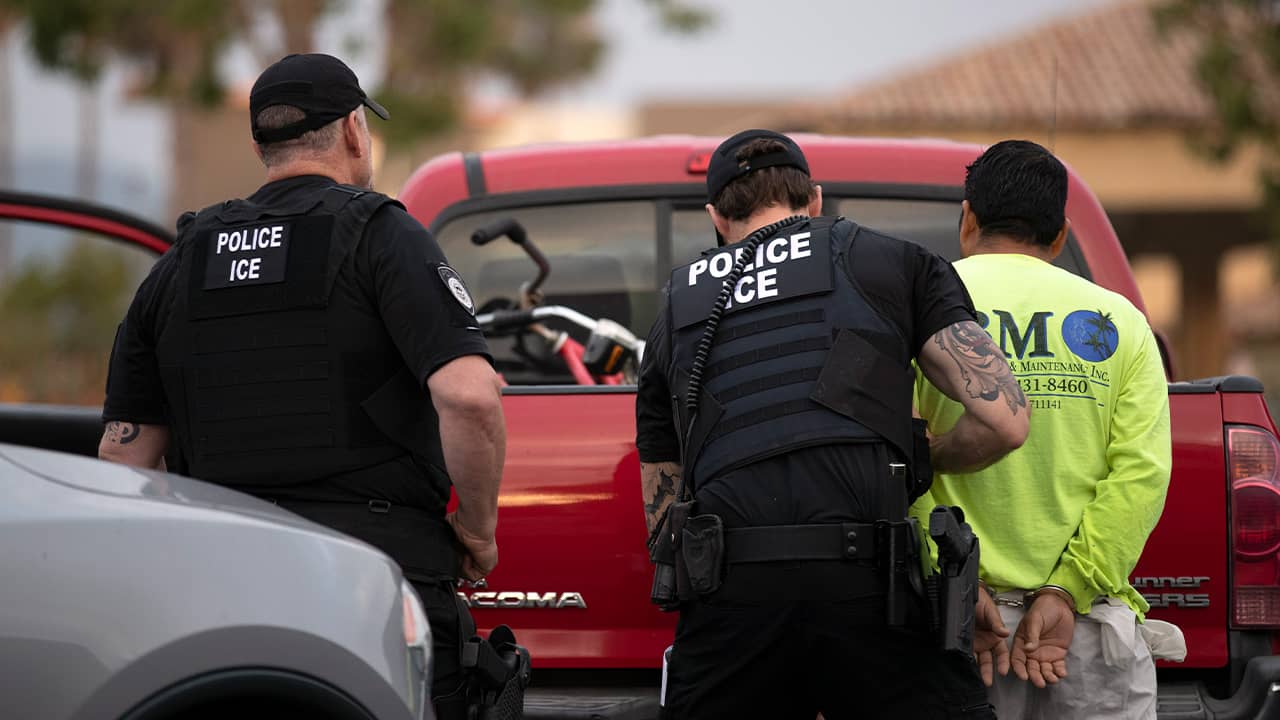
Officers Prepare an Affidavit
The affidavit typically describes:
- Driving behavior
- Observations of impairment
- Field sobriety results
- Arrest circumstances
A Judge Reviews the Information
The judge decides whether probable cause exists.
If probable cause is established, the warrant may be approved.
What Is Probable Cause?
Probable cause is a legal standard.
It Does Not Require Proof Beyond a Reasonable Doubt
That higher standard applies later at trial.
Probable Cause Generally Means
There is a reasonable basis to believe:
- A crime occurred
- Evidence may be found
In DWI cases, officers often rely on observations and investigation results.
Why Technology Changed Blood Draw Warrants
Obtaining warrants used to take more time.
Electronic Warrants Increased Efficiency
Today, many judges can review requests:
- Electronically
- Remotely
- Quickly
Delays Became Less Significant
Because technology improved access to judges, courts became less willing to excuse warrantless blood draws.
This development significantly affected DWI blood draw warrant law.
The Importance of Supreme Court Decisions
Several major court decisions shaped modern blood draw procedures.
Privacy Concerns Became Central
Courts recognized that blood draws involve physical intrusion into the body.
Warrants Became the Preferred Approach
Judges increasingly emphasized obtaining warrants whenever practical.
This shift transformed DWI investigations across the country.
When Police Usually Need a DWI Blood Draw Warrant
In most situations involving refusal, officers generally seek a warrant.
Typical Circumstances Include
- Refused testing
- Standard DWI arrests
- No emergency conditions
Warrants Provide Legal Protection
Obtaining judicial approval helps strengthen the admissibility of evidence later.
Are There Exceptions to the Warrant Requirement?
Certain exceptions may exist.
Courts Recognize Limited Situations
Historically, prosecutors sometimes argued that emergencies justified warrantless blood draws.
Modern Courts Apply Narrow Standards
The existence of an exception depends heavily on the specific facts involved.
General assumptions often prove inaccurate.
Medical Blood Draws and DWI Cases
Hospitals sometimes collect blood independently of law enforcement.
Medical Treatment Creates Different Issues
Blood may be drawn for:
- Emergency care
- Diagnostic purposes
Prosecutors May Seek Access
When medical testing exists, separate legal questions arise regarding access to those records.
These situations differ from a traditional DWI blood draw warrant request.
How Blood Draws Are Performed
Collection procedures matter.
Qualified Personnel Usually Conduct the Draw
This often includes:
- Nurses
- Phlebotomists
- Medical professionals
Proper Procedures Help Preserve Evidence
Courts often examine whether collection occurred according to accepted standards.
DWI Blood Draw Warrant and Chain of Custody
Once blood is collected, handling becomes important.
Evidence Must Be Tracked
Chain of custody generally documents:
- Collection
- Storage
- Transportation
- Testing
Why This Matters
Defense attorneys frequently review chain-of-custody records for potential weaknesses.
Blood Testing and Laboratory Analysis
The sample eventually reaches a laboratory.
Testing May Measure
- Blood alcohol concentration
- Drug presence
- Controlled substances
Laboratory Procedures Matter
Testing accuracy often becomes a major issue in DWI litigation.
How Prosecutors Use Blood Test Results
Prosecutors often view blood evidence as compelling.
Common Arguments Include
- Objective scientific proof exists
- Chemical testing confirms impairment
Blood Results Support Broader Cases
They are often combined with:
- Officer testimony
- Driving evidence
- Witness observations
How Defense Attorneys Challenge Blood Evidence
Blood tests are not immune from challenge.
Common Defense Arguments Include
- Improper warrant procedures
- Collection errors
- Testing mistakes
- Chain-of-custody problems
Small Errors May Matter
Even technical issues sometimes affect admissibility.
DWI Blood Draw Warrant Challenges in Court
Defense attorneys frequently review warrant paperwork carefully.
Potential Issues Include
- Inadequate affidavits
- Lack of probable cause
- Procedural errors
Suppression Motions May Follow
If legal violations occurred, attorneys may seek exclusion of evidence.
Blood Draws and Drug-Related DWI Cases
Not all DWI allegations involve alcohol.
Blood Testing Often Becomes More Important
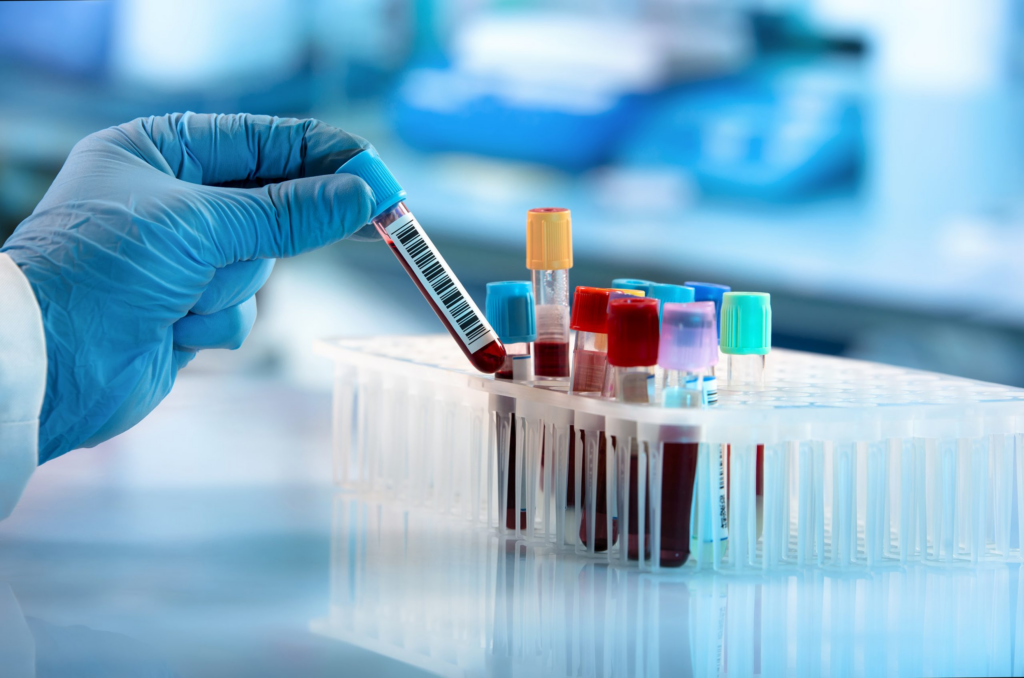
Drug-related cases frequently rely on:
- Toxicology analysis
- Laboratory testing
Warrants Remain Relevant
The legal principles governing collection generally remain similar.
Why Drivers Often Refuse Testing
Many defendants refuse because they believe it helps their case.
Common Reasons Include
- Privacy concerns
- Fear of results
- Legal advice misconceptions
Refusal Has Consequences
Refusal does not necessarily prevent evidence collection and may create additional legal consequences.
License Consequences of Refusal
Administrative penalties often accompany refusals.
Possible Consequences Include
- License suspension
- Administrative proceedings
Separate Processes Exist
These consequences may occur regardless of criminal case outcomes.
DWI Blood Draw Warrant and Jury Perceptions
Jurors often view blood evidence favorably.
Scientific Evidence Feels Reliable
Many people trust laboratory testing more than subjective observations.
Defense Challenges Become Important
Explaining testing limitations often requires careful legal strategy.
Why Warrants Protect Both Sides
Warrant requirements serve important functions.
Defendants Receive Constitutional Protections
Judicial review helps prevent unreasonable searches.
Prosecutors Gain Stronger Evidence
Evidence obtained through proper warrants often faces fewer admissibility challenges.
Common Misconceptions About Blood Draw Warrants
Several myths remain common.
Myth #1: Refusal Prevents Blood Testing
False.
Officers may seek a warrant.
Myth #2: Warrants Take Too Long
Modern technology often allows rapid approval.
Myth #3: Blood Evidence Is Impossible to Challenge
Also false.
Defense attorneys regularly challenge blood evidence.
DWI Blood Draw Warrant and First-Time Offenders
Many first-time offenders are unfamiliar with the process.
Surprise Is Common
People often do not expect:
- Judicial involvement
- Forced collection after refusal
Understanding the Process Helps
Knowledge reduces confusion during investigations.
Why Timing Matters
Alcohol levels change over time.
Prosecutors Prefer Prompt Collection
Earlier samples may better reflect conditions near the time of driving.
Delays Create Litigation Issues
Attorneys often debate how timing affects interpretation.
Lessons Defendants Learn Too Late
Many drivers misunderstand blood draw procedures.
Common Realizations Include
- Refusal does not guarantee privacy
- Warrants are often available quickly
- Blood evidence plays a major role
These lessons frequently emerge after arrest.
The Future of DWI Blood Draw Warrants
Technology continues changing law enforcement practices.
Electronic Systems Are Expanding
Warrant applications continue becoming:
- Faster
- More efficient
Legal Debates Continue
Privacy concerns and technological developments ensure ongoing litigation.

Conclusion
DWI blood draw warrant procedures sit at the intersection of criminal law, constitutional protections, and modern technology. While drivers often assume refusing a blood test prevents evidence collection, the reality is that law enforcement can frequently seek judicial authorization when probable cause exists. Modern electronic warrant systems have made that process faster and more efficient than ever before.
Courts generally recognize blood draws as significant searches involving privacy interests, which is why warrants often play such an important role. At the same time, prosecutors view blood evidence as powerful scientific proof, while defense attorneys frequently examine warrant procedures, collection methods, testing protocols, and chain-of-custody records for potential weaknesses.
Understanding when a DWI blood draw warrant is required, how warrants are obtained, and how blood evidence is challenged helps defendants better understand one of the most important aspects of modern DWI investigations. Although blood test results can carry substantial weight, the legality of how those results were obtained often becomes just as important as the results themselves.