
DWI evidence suppression can completely change the direction of a drunk driving case because prosecutors rely heavily on evidence collected during traffic stops, roadside investigations, and chemical testing procedures. Many people assume that once a police officer arrests someone for DWI, conviction becomes almost inevitable. In reality, criminal cases often depend on whether the evidence was obtained legally and whether law enforcement followed constitutional requirements throughout the investigation.
For some defendants, the most important part of the case has nothing to do with whether they consumed alcohol. Instead, the key issue becomes whether the government can legally use certain evidence in court.
Imagine a driver leaving a restaurant late at night in Texas. A police officer stops the vehicle, conducts field sobriety tests, requests a breath sample, and ultimately makes an arrest. Weeks later, the defense attorney discovers the officer may not have had a valid legal reason to initiate the traffic stop in the first place. Suddenly, the case is no longer focused entirely on intoxication. It becomes a battle over whether the evidence should be excluded altogether.
This is where DWI evidence suppression becomes critically important.
If a judge suppresses key evidence, prosecutors may lose access to breath test results, blood test results, field sobriety observations, statements made by the defendant, or even evidence gathered after the arrest itself. In some situations, suppression may weaken a case so significantly that dismissal becomes a possibility.
Understanding when DWI evidence can be suppressed helps explain why constitutional protections play such a major role in drunk driving prosecutions.
What Does DWI Evidence Suppression Mean?
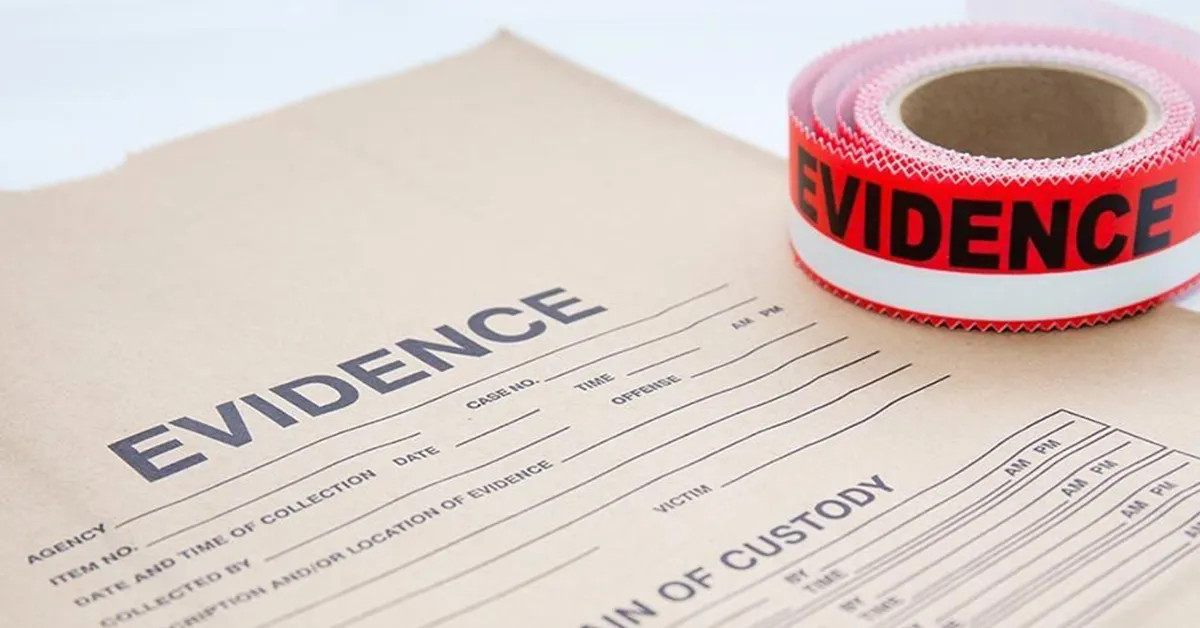
Evidence suppression occurs when a court determines that certain evidence cannot be used during a criminal case.
Suppression Does Not Mean Evidence Disappears
The evidence may still exist.
However, prosecutors cannot present it to:
- Judges
- Juries
- Fact finders
during trial proceedings.
Why Suppression Exists
The legal system uses suppression to enforce constitutional rights.
If law enforcement violates those rights while collecting evidence, courts may exclude the resulting evidence from the case.
This principle sits at the center of many DWI evidence suppression motions.
Why Suppression Matters in DWI Cases
DWI prosecutions often depend heavily on evidence collected by law enforcement.
Common Evidence Includes
- Traffic stop observations
- Field sobriety tests
- Breath test results
- Blood test results
- Defendant statements
- Body camera footage
Removing Key Evidence Changes Cases
If important evidence is excluded, prosecutors may struggle to prove intoxication beyond a reasonable doubt.
That is why suppression hearings often become some of the most important stages in a DWI prosecution.
The Constitutional Foundation of Suppression
Most DWI evidence suppression arguments originate from constitutional protections.
The Fourth Amendment
The Fourth Amendment protects individuals against unreasonable searches and seizures.
The Fifth Amendment
The Fifth Amendment protects certain rights involving self-incrimination and due process.
The Sixth Amendment
The Sixth Amendment provides important procedural protections during criminal prosecutions.
When these protections are violated, suppression arguments often follow.
Unlawful Traffic Stops and DWI Evidence Suppression
One of the most common suppression issues involves the initial traffic stop.
Police Need Legal Justification
Officers generally must possess reasonable suspicion that:
- A traffic violation occurred
- Criminal activity may be occurring
What Happens Without Justification?
If the stop lacked legal support, evidence gathered afterward may become vulnerable to suppression.
A Real-Life Style Example
An officer stops a driver after claiming the vehicle briefly touched a lane marker. Dash camera footage later shows the driver remained within the lane throughout the encounter.
The defense argues:
- No valid reason existed for the stop
- Everything that followed resulted from an unlawful seizure
The court must then decide whether suppression is appropriate.
How Courts Evaluate Traffic Stops
Judges carefully examine the facts surrounding traffic stops.
Common Questions Include
- Why did the officer stop the vehicle?
- What observations were made?
- Did video evidence support the officer’s claims?
Credibility Often Matters
Officer testimony, dash camera footage, and body camera recordings frequently play central roles in suppression hearings.

DWI Evidence Suppression and Field Sobriety Tests
Field sobriety tests often become important evidence.
Common Tests Include
- Walk-and-turn
- One-leg stand
- Horizontal gaze nystagmus
Suppression Issues Sometimes Arise
Defense attorneys may challenge:
- Improper instructions
- Unsafe testing conditions
- Medical limitations ignored by officers
The circumstances surrounding the testing often influence admissibility.
Miranda Warnings and Defendant Statements
Statements made during DWI investigations sometimes face suppression challenges.
What Are Miranda Warnings?
Miranda warnings inform individuals of certain constitutional rights when subjected to custodial interrogation.
Why Miranda Matters
If officers question a suspect in custody without proper warnings, certain statements may become inadmissible.
A Common Example
A driver is arrested and placed in a patrol vehicle. Officers continue asking investigative questions without providing Miranda warnings.
Defense attorneys may later seek suppression of the resulting statements.
DWI Evidence Suppression and Breath Tests
Breath testing frequently becomes a focal point in DWI cases.
Why Breath Tests Matter
Prosecutors often rely heavily on:
- Breath alcohol concentration results
- Machine-generated reports
Potential Suppression Issues
Defense attorneys sometimes challenge:
- Machine calibration
- Testing procedures
- Operator certification
Procedural violations occasionally affect admissibility.
Blood Test Evidence and Suppression
Blood evidence often appears even more persuasive than breath evidence.
Why Blood Tests Carry Weight
Many jurors view blood analysis as highly scientific and reliable.
Constitutional Issues Arise Frequently
Questions may involve:
- Warrants
- Consent
- Collection procedures
The legality of obtaining the blood sample often becomes central to DWI evidence suppression litigation.
Search Warrants and Blood Draws
Warrants frequently appear in modern DWI cases.
Why Warrants Matter
Police generally need legal authority before obtaining blood samples.
Common Challenges Include
- Defective warrants
- Inaccurate affidavits
- Procedural violations
If problems exist, suppression arguments may follow.
Consent Issues in DWI Investigations
Many blood and breath tests occur after consent is given.
Consent Must Be Valid
Courts often examine whether consent was:
- Voluntary
- Knowing
- Free from coercion
Why Voluntariness Matters
Consent obtained through improper pressure may create suppression issues.
DWI Evidence Suppression and Refusal Cases
Refusal situations create unique legal questions.
Prosecutors Often Highlight Refusals
They may argue refusal reflects consciousness of guilt.
Defense Challenges Still Exist
The circumstances surrounding:
- Requests for testing
- Officer explanations
- Defendant understanding
may become relevant.
Body Camera Footage and Suppression
Modern DWI investigations often involve body cameras.
Video Can Help Either Side
Footage may:
- Support officers
- Contradict reports
- Reveal procedural mistakes
Why Video Matters
Many suppression hearings now rely heavily on recorded evidence.
Dash Camera Recordings
Dash cameras frequently capture the earliest stages of encounters.
Important Evidence Includes
- Driving behavior
- Traffic stop circumstances
- Officer interactions
Suppression Arguments May Depend on Video
Recordings often help courts evaluate whether constitutional violations occurred.
DWI Evidence Suppression and Checkpoints
Sobriety checkpoints generate significant legal discussion nationwide.
Constitutional Questions Arise
Courts evaluate:
- Public safety interests
- Individual rights
- Procedural safeguards
Texas Context
Checkpoint legality has generated ongoing legal analysis and debate.
The Fruit of the Poisonous Tree Doctrine
One important legal concept appears frequently in suppression litigation.
What Does It Mean?
If evidence originates from an unlawful action, additional evidence derived from that action may also become inadmissible.
Why It Matters
An illegal stop may affect:
- Observations
- Statements
- Chemical tests
This principle often expands the scope of DWI evidence suppression arguments.
DWI Evidence Suppression and Laboratory Procedures
Suppression issues sometimes involve laboratory practices.
Common Concerns Include
- Sample contamination
- Improper storage
- Documentation problems
Why Chain of Custody Matters
Courts often examine whether evidence remained secure and properly tracked throughout the testing process.
Expert Witnesses in Suppression Hearings
Experts frequently participate in DWI litigation.
Experts May Testify About
- Toxicology
- Testing procedures
- Scientific reliability
Why Expertise Matters
Complex scientific evidence often requires explanation beyond ordinary witness testimony.
Police Report Inconsistencies
Defense attorneys often compare reports with other evidence.
Common Issues Include
Differences between:
- Reports
- Videos
- Witness statements
Why Inconsistencies Matter
Contradictions sometimes weaken prosecution positions during suppression hearings.
DWI Evidence Suppression and Probable Cause
Probable cause often becomes a major issue.
Why Probable Cause Matters
Officers generally need probable cause before:
- Arresting drivers
- Obtaining certain evidence
Courts Evaluate Circumstances Carefully
Judges often review:
- Observations
- Testing results
- Officer actions
before determining whether probable cause existed.
Suppression Hearings Explained
Suppression issues usually receive separate court hearings.
What Happens During These Hearings
Attorneys present:
- Witness testimony
- Legal arguments
- Evidence
Judges Make Decisions
The court determines whether evidence remains admissible.
These rulings often shape the future of the case.
Why Prosecutors Fight Suppression Motions
Prosecutors understand the importance of evidence.
Losing Key Evidence Creates Problems
Without:
- Chemical tests
- Statements
- Observations

proving intoxication becomes more difficult.
Suppression Hearings Can Determine Outcomes
Many cases rise or fall based on these decisions.
DWI Evidence Suppression and Plea Negotiations
Suppression rulings frequently influence settlement discussions.
Strong Defense Motions Create Leverage
When evidence appears vulnerable, prosecutors may:
- Reduce charges
- Offer favorable resolutions
Case Strength Changes
The value of evidence often determines negotiating positions.
Common Misconceptions About Suppression
Many people misunderstand suppression law.
Myth: Technicalities Let Guilty People Go Free
Suppression exists to protect constitutional rights.
Myth: Any Police Mistake Causes Suppression
Not every error leads to exclusion.
Courts generally evaluate:
- Severity
- Legal significance
- Constitutional impact
before suppressing evidence.
Why Timing Matters
Suppression motions generally must be raised appropriately.
Defense Attorneys Act Early
Investigations often begin immediately after arrest.
Delays Can Create Problems
Missing procedural deadlines sometimes affects available legal options.
DWI Evidence Suppression and First-Time Offenders
First-time defendants often know little about suppression law.
Common Assumptions Include
- Arrest equals conviction
- Test results end the case
Reality Is More Complex
Legal challenges may significantly affect outcomes.
Understanding suppression helps defendants appreciate the importance of procedural protections.
Technology and Future Suppression Issues
DWI enforcement technology continues evolving.
New Evidence Sources Include
- Advanced testing devices
- Enhanced surveillance systems
New Legal Questions Follow
Courts continually evaluate how constitutional protections apply to emerging technologies.
Lessons Defendants Learn Too Late
Many people only discover suppression issues after charges are filed.
Common Realizations Include
- Police must follow rules
- Constitutional rights matter
- Evidence is not automatically admissible
These lessons often reshape how defendants view their cases.
The Importance of Legal Representation
Suppression law is highly technical.
Experienced Attorneys Understand
- Constitutional protections
- Procedural requirements
- Evidentiary challenges
Small Details Matter
Minor legal issues sometimes produce significant case consequences.

Conclusion
DWI evidence suppression remains one of the most powerful legal tools available in drunk driving cases because it focuses on how evidence was obtained rather than simply what the evidence appears to show. Constitutional protections require law enforcement to follow specific legal procedures when conducting traffic stops, arrests, searches, interrogations, and chemical testing. When those procedures are violated, courts may exclude evidence from the case entirely.
Traffic stop legality, field sobriety testing, Miranda issues, blood draw procedures, search warrants, consent questions, laboratory practices, and chain-of-custody concerns all frequently become subjects of suppression litigation. These issues often determine whether prosecutors can rely on critical evidence such as breath tests, blood results, defendant statements, and officer observations.
Suppression does not guarantee dismissal, nor does every police mistake result in excluded evidence. However, successful suppression motions can dramatically weaken prosecution cases and significantly influence negotiations, trial strategies, and final outcomes.
Ultimately, DWI evidence suppression highlights an important principle within the criminal justice system: constitutional rights matter. The government must follow the law when investigating and prosecuting offenses, and courts play a crucial role in ensuring those protections remain meaningful. For defendants facing DWI charges, understanding suppression issues can provide valuable insight into how criminal cases are evaluated and defended.