
If you or someone close has ever faced a DWI arrest, one of the first financial questions that arises is, what is DWI bond amount? It’s a question that doesn’t come with a one-size-fits-all answer. That’s because the bond amount in a DWI case depends on multiple factors—from the seriousness of the offense to the defendant’s past record and the county’s standard bond schedule. It can range from a few hundred dollars to tens of thousands. Understanding this amount early can prevent panic and help families prepare for the next legal steps.
In this detailed guide, we’ll explain what a DWI bond amount really is, how courts calculate it, what you can expect based on your unique case, and what options exist for posting bond. Using a blend of storytelling, practical examples, and easy-to-digest analysis, we’ll help you navigate this often misunderstood part of the criminal justice process. So if you’re asking, “What is DWI bond amount?”—you’re in the right place. Getting clear answers now can save you stress, time, and unnecessary expenses later.
What Is a DWI Bond Amount and Why Does It Exist?
Let’s start with the basics. When someone is arrested for DWI—Driving While Intoxicated—they are typically taken to jail. Before they can be released, the court sets a bond amount, which is essentially a financial guarantee that the person will return for their court dates.
So, what is DWI bond amount? It’s the amount of money a defendant (or someone on their behalf) must pay or secure through a bail bond company to be released from jail while their case proceeds. This isn’t a punishment—it’s a mechanism to ensure the defendant shows up to court.
There are different types of bonds, but most DWI cases involve:
- Cash Bond – Paid in full directly to the court
- Surety Bond – Obtained through a bail bondsman for a percentage of the total amount
- Personal Recognizance (PR) Bond – No money paid, but the defendant signs a promise to return
Each method comes with its own conditions and risks. But no matter the route, understanding the DWI bond amount gives you clarity and time to prepare.
Real-Life Example: Mark’s Costly Misstep
Mark, a 34-year-old construction supervisor from Harris County, got pulled over after a night out with coworkers. He submitted to a breathalyzer, which registered at 0.13 BAC. Because this was his second DWI offense, the magistrate set his bond at $7,500.
Mark’s family didn’t have that kind of money on hand. They contacted a local bail bondsman, who required 10% up front—$750—and a co-signer. Although Mark was released within 24 hours, that initial financial hit—combined with legal fees and court costs—sent his finances into a downward spiral.
His story underscores the importance of understanding what is DWI bond amount and how it fits into the broader cost of a DWI case.
What Factors Affect the DWI Bond Amount?
The bond amount in a DWI case isn’t chosen at random. Judges and magistrates consider several important factors before setting it. Here are the most common:
1. Prior Criminal History
If the person arrested has previous DWIs or any criminal convictions, the court will often set a higher bond. Repeat offenses signal a higher risk of reoffending or skipping court. Judges are less likely to show leniency when a history of poor decision-making is evident.
2. Severity of the Offense
Not all DWIs are equal. A basic first-time DWI might have a bond of $500–$2,500. But if there are aggravating circumstances—such as a high BAC (0.15+), a child passenger, an accident, or injuries—the bond can shoot up to $10,000 or more.
3. Flight Risk
If a person has ties to another state or country, lacks stable housing, or has skipped court before, judges may view them as a flight risk, leading to a higher bond. Courts want reassurance that defendants will show up, and bond amounts often reflect that trust—or lack of it.
4. Risk to Public Safety
Someone arrested for DWI after causing an injury or fatal crash will almost certainly face a substantial bond. Public safety is a primary concern for courts when setting DWI bond amounts. The greater the threat a defendant appears to pose, the more aggressive the court will be in setting financial conditions for release.
5. Local Bond Schedules
Each Texas county has a general bond schedule for common offenses. While judges can deviate, these schedules provide a baseline. For example, many counties set a first-time DWI bond at $1,000–$3,000.
Understanding these factors is critical to fully answering what is DWI bond amount, because they’re what judges rely on when making their decisions.

Typical Bond Amounts for Different DWI Charges in Texas
Let’s break it down further with a Texas-specific lens. Here’s what bond amounts typically look like across various DWI scenarios:
- First-Time DWI (BAC under 0.15%): $500 – $2,500
- First-Time DWI (BAC 0.15% or higher): $1,500 – $5,000
- Second DWI Offense: $2,500 – $7,500
- DWI with Child Passenger: $5,000 – $15,000
- Intoxication Assault or Manslaughter: $10,000 – $100,000+
Keep in mind that judges can adjust these figures upward or downward based on specific circumstances, such as cooperation with police or the presence of injuries.
Cash Bond vs. Bail Bondsman: What’s the Difference?
If you’re still asking what is DWI bond amount, it’s equally important to understand how it can be paid. There are two main options:
Cash Bond
This means paying the full amount directly to the court. If the defendant appears at all court dates, the money is refunded—minus administrative fees—when the case ends. This method requires significant up-front cash, but no third-party involvement.
Bail Bondsman (Surety Bond)
Most people use a bail bondsman. Typically, you pay 10% of the bond amount as a non-refundable fee. The bondsman covers the rest and assumes the risk. If the defendant skips court, the bondsman is liable—and will often hire a bounty hunter or take legal action against co-signers.
Choosing between these options is often a matter of available cash and how much risk the family is willing to take.
Can You Reduce a DWI Bond Amount?
Yes, it’s possible. If the bond set is too high, your attorney can file a motion to reduce bond. To support this, they might present:
- Evidence of community ties
- Proof of employment
- Lack of criminal history
- Willingness to comply with conditions (such as an ignition interlock device)
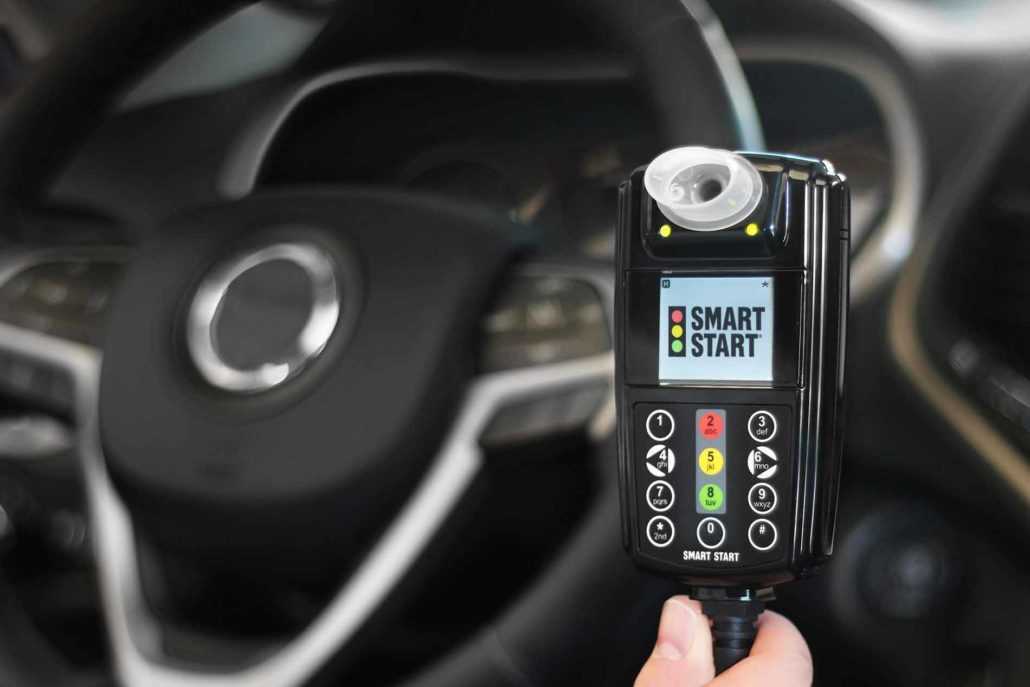
Judges often consider these motions, especially in first-time DWI cases or when excessive bond would cause unnecessary hardship. This is why hiring a lawyer early can make a major difference—not just in your case, but in your upfront costs.
Real-Life Example: Sandra’s Bond Reduction
Sandra, a 29-year-old nurse in Dallas, was arrested for her first DWI after a minor fender-bender. Her BAC was 0.11%. The magistrate set her bond at $5,000. Her attorney quickly filed a motion arguing that she had no criminal history, was employed full-time, and was willing to install an ignition interlock.
The judge reduced her bond to $1,500, which her family paid in cash. Sandra’s quick thinking and solid legal counsel saved her thousands—highlighting how knowledge of DWI bond amounts and the right legal strategy can work hand in hand.
What Happens If You Can’t Afford the Bond?
If someone cannot afford the bond or even the bail bondsman’s fee, they may have to remain in jail until their court date—or until a bond hearing can be arranged.
In some cases, the court may agree to:
- Grant a personal recognizance bond
- Set up a payment plan through a bondsman
- Accept collateral in place of cash
However, none of these are guaranteed. This makes understanding what is DWI bond amount vital in advance—because scrambling after arrest is never ideal.
What Happens After the Bond Is Posted?
Once the bond is posted and accepted by the court:
- The defendant is released from custody
- They receive a court date for their arraignment or hearing
- They must comply with any conditions of release (like drug testing or interlock devices)
- Failing to appear in court results in bond forfeiture and a possible bench warrant
.jpg)
Posting bond doesn’t end your legal problems—but it does buy time and freedom to mount a proper defense. That’s why knowing the DWI bond amount upfront is more than just a financial concern—it’s part of your overall legal survival strategy.
Final Thoughts: Understanding DWI Bond Amounts
So, what is DWI bond amount, really? It’s the price tag for pretrial freedom—a number determined by your charges, history, and perceived risk. In Texas, DWI bond amounts can range widely depending on whether you’re a first-time offender or facing felony charges. It’s not just about getting out of jail—it’s about knowing what to expect and how to plan for the road ahead.
From the type of bond to the methods of posting it and the legal strategies to reduce it, every step matters. Understanding DWI bond amounts helps defendants and their families make faster, smarter choices when every minute counts. If you or a loved one is navigating a DWI arrest, get informed, get representation, and take control of the process before it controls you.