
If you’ve ever driven late at night and seen flashing lights in your rearview mirror, you’ve probably felt your heart sink—especially if you recently had a drink. That moment of uncertainty is the beginning of what’s known as a DWI stop. So, what is a DWI stop? It’s a legally recognized interaction between law enforcement and a driver, prompted by suspicion of driving while intoxicated. And in Texas, DWI stops are serious business. They can unfold quickly, catching even cautious drivers off guard with serious legal consequences.
Understanding the legal, procedural, and emotional aspects of a DWI stop is essential—not just for those facing charges, but for every driver on the road. This guide breaks down what happens during a DWI stop, why it matters, and how to protect your rights from that first flashing light to the final courtroom decision. Because the more you know, the better equipped you are to avoid life-altering mistakes during one.
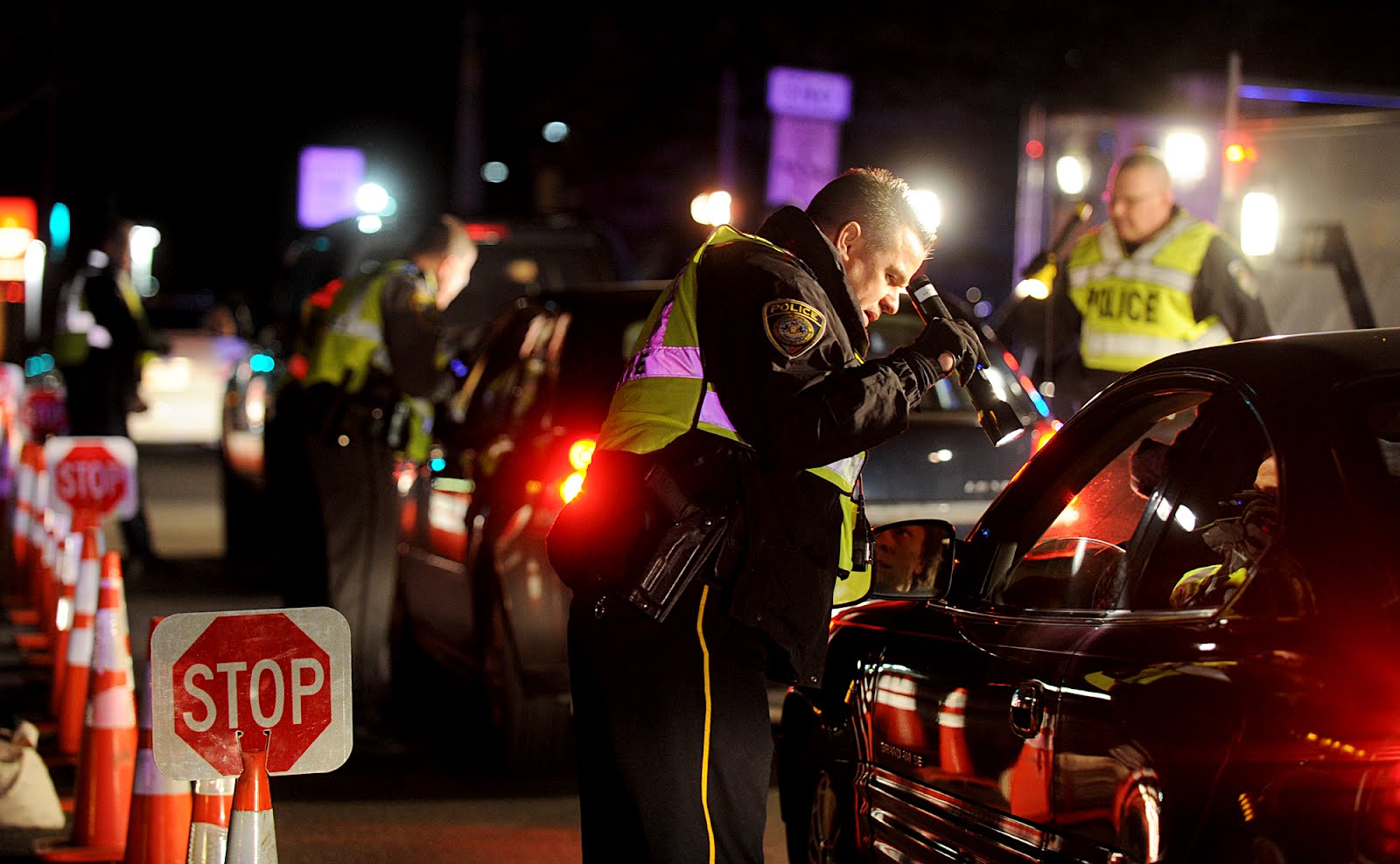
What Is a DWI Stop? A Clear Definition
A DWI stop occurs when a law enforcement officer pulls over a vehicle based on reasonable suspicion that the driver is operating while intoxicated. In Texas, this generally means the officer believes the driver is impaired by alcohol, prescription medication, illegal drugs, or any substance that affects their ability to drive safely. It’s a moment where a single traffic decision can open the door to a criminal investigation.
Unlike routine traffic stops for speeding or broken tail lights, a DWI stop is specifically aimed at identifying signs of intoxication. These include erratic driving, slurred speech, red eyes, slow responses, or even the smell of alcohol. And once that suspicion begins, it often sets off a carefully documented chain of legal procedures. Each step is designed to build evidence for or against a formal DWI charge, which is why how you respond matters so much.
Real-Life Story: Josh’s Friday Night Turned Legal Nightmare
Josh, a 33-year-old logistics manager in Houston, had dinner with friends and sipped on two margaritas over the course of three hours. Feeling fine, he got in his truck and headed home. Ten minutes later, he accidentally drifted across the centerline while changing lanes—just as a patrol unit came around the corner.
The officer initiated a traffic stop. What began as a polite conversation quickly turned into a DWI investigation. Josh was asked to step out of the car, perform field sobriety tests, and blow into a breathalyzer. Though his BAC registered 0.09%, just over the legal limit, that minor difference triggered a major life change. He spent the night in jail and the next year entangled in court, financial penalties, and stress.
Josh’s experience is a textbook DWI stop, and it’s not rare. What makes these situations so impactful is how quickly they escalate and how much they can affect your life, even if you didn’t think you were impaired.
What Triggers a DWI Stop?
Not every DWI stop starts with obviously drunk behavior. Officers are trained to look for subtle signs that raise suspicion. Common triggers for DWI stops include:
- Weaving between lanes
- Driving too slowly (or too fast)
- Making wide turns
- Ignoring traffic signals
- Braking erratically
- Failing to dim high beams
- Rolling stops or poor lane discipline
An officer only needs reasonable suspicion—not hard proof—to initiate a stop. Once the stop begins, their goal is to observe and assess signs of impairment, and potentially develop probable cause for arrest.
What Happens During a DWI Stop? Step-by-Step
Let’s walk through what actually happens in a typical DWI stop in Texas:
1. Initiating the Stop
The officer activates their lights and signals the driver to pull over. The driver must comply safely and promptly. Where you stop can matter—pulling over to a well-lit, safe area may help de-escalate the situation.Officers are already watching your behavior from the moment the lights come on, taking mental notes for their report.
2. First Impressions and Observations
As the officer approaches, they assess the driver’s behavior—looking for bloodshot eyes, the scent of alcohol, or slow responses. They may ask simple questions like, “Have you had anything to drink tonight?” These initial observations help the officer determine whether further investigation is warranted.Even something as simple as fumbling your license or avoiding eye contact can heighten suspicion.
3. Field Sobriety Tests
If the officer suspects impairment, they may request a series of field sobriety tests, such as:
- Walk and turn
- One-leg stand
- Horizontal gaze nystagmus (eye movement test)
These tests aren’t mandatory, but refusal can be used against you later in court.

4. Breath or Blood Test
Texas operates under implied consent laws. By driving on public roads, you agree to submit to chemical testing if arrested for DWI. Refusing the breathalyzer can lead to automatic license suspension, even if you’re later found not guilty.
5. Arrest and Booking
If the officer believes there is probable cause, they’ll arrest the driver, transport them to jail, and begin the booking process. This includes fingerprints, a mugshot, and a night in a holding cell in many cases.
Do You Have to Comply with Everything?
This is a common question during DWI stops. Legally speaking:
- You must provide your license, registration, and proof of insurance
- You don’t have to answer incriminating questions (like “How much have you had to drink?”)
- You can politely refuse field sobriety tests
- Refusing a breathalyzer or blood test comes with civil penalties like license suspension
It’s critical to remain calm, respectful, and to invoke your right to an attorney if things escalate.
Understanding Probable Cause in a DWI Stop
Probable cause is a crucial concept. To arrest you, an officer must have enough evidence to reasonably believe you are intoxicated. That could come from:
- Failed sobriety tests
- Slurred speech or physical unsteadiness
- Breathalyzer results
- Admissions (e.g., “I only had two beers”)
- Observed behavior inside the vehicle
Without probable cause, any evidence gathered—and the arrest itself—could be thrown out in court. This is often the foundation of a strong legal defense.
The Legal Aftermath of a DWI Stop
Once the DWI stop results in arrest, the legal process begins. This includes:
- Administrative license hearing (to fight automatic suspension)
- Arraignment (first court appearance)
- Pretrial motions (e.g., to suppress illegally obtained evidence)
- Negotiations or trial
- Sentencing (if convicted or plea bargained)

Each stage involves paperwork, deadlines, and strategic decisions. That’s why hiring a DWI defense attorney is so important right after a DWI stop.
What’s at Stake After a DWI Stop?
A lot more than most people realize. The consequences of a DWI stop and arrest can include:
- Jail time
- Thousands in fines and court costs
- Mandatory DWI education programs
- License suspension or revocation
- Ignition interlock device
- Criminal record
- Employment consequences
- Higher insurance premiums (SR-22)
The first stop may feel like a warning—but it often becomes a years-long burden if not handled carefully.
Real-Life Story: Maria’s Costly Mistake
Maria, a 40-year-old nurse, was stopped for a busted tail light. She hadn’t even been swerving or speeding. But when the officer smelled alcohol on her breath, he asked if she had been drinking. Nervously, she admitted to one glass of wine. That answer—and her unsteady walk—was enough to launch a full DWI stop.
Though her BAC later registered 0.07%, the officer claimed her behavior showed impairment. Maria was arrested and later had to spend $12,000 fighting the charges and fulfilling court-ordered requirements. She kept her license—but not without months of stress, time off work, and thousands in costs.
Maria’s story shows how even borderline situations during DWI stops can spiral into major legal and financial consequences.
How to Protect Yourself During a DWI Stop
You can’t always avoid being stopped, but you can protect your rights by doing the following:
- Stay calm and polite
- Keep hands visible and avoid sudden movements
- Provide required documents without argument
- Don’t admit to drinking or using substances
- Politely decline field sobriety tests if you choose
- Ask for an attorney as soon as you’re detained or arrested
Even one wrong answer or action can make your case harder to fight later.
Should You Fight the Charges After a DWI Stop?
Absolutely. Even if you think you were in the wrong, the legal system allows for defense, negotiation, and due process. Fighting the charges can:
- Reduce penalties
- Protect your driving privileges
- Keep your record clean
- Save you money long-term
- Prevent loss of employment or professional licenses

A DWI stop doesn’t automatically mean conviction. But if you don’t fight, the consequences will follow you for years.
Final Thoughts: DWI Stops Explained—Why Every Driver Should Understand Them
So, what is a DWI stop? It’s the beginning of a legal process that can have lasting personal, financial, and professional consequences. From the officer’s first suspicion to the courtroom months later, a DWI stop tests your decisions, your rights, and your preparedness. Even a brief encounter can reshape your life if you don’t know how to handle it.
Knowing how DWI stops work—and how to respond—is one of the smartest things you can do as a driver in Texas or anywhere else. The better informed you are, the more confidently you can protect your freedom, finances, and future. By treating every traffic stop with awareness and care, you drastically reduce your chances of legal trouble.