
DWI bodycam evidence has become one of the most important tools in modern drunk driving cases because it often captures what actually happened during a traffic stop instead of relying solely on police reports or witness memories. Years ago, DWI cases frequently turned into battles between a driver’s version of events and an officer’s testimony. Today, body-worn cameras often provide a third perspective—one that can either strengthen the prosecution’s case or become a powerful defense tool.
For many defendants, the first time they see their bodycam footage is a turning point.
Imagine a Texas driver pulled over late at night after leaving a friend’s birthday party. The officer claims the driver showed signs of intoxication, performed poorly on field sobriety tests, and appeared confused during questioning. Reading the police report later makes the situation seem hopeless. Then the defense attorney obtains the bodycam footage.
Suddenly, the picture changes.
The driver appears calm. Instructions from the officer seem unclear. Traffic noise interferes with communication. What sounded persuasive in a written report now looks far more complicated when viewed on video.
This is exactly why DWI bodycam evidence has become such a central issue in drunk driving defense.
Body cameras do not automatically help the defense, nor do they always help prosecutors. Instead, they provide a visual record that allows judges, juries, prosecutors, and defense attorneys to evaluate what actually happened during the encounter. Sometimes the footage confirms the officer’s observations. Other times it raises questions that written reports never reveal.
Understanding how bodycam footage is used in DWI defense is critical because video evidence often shapes the direction of an entire case.

What Is Bodycam Evidence?
Bodycam evidence refers to video and audio recordings captured by cameras worn by law enforcement officers.
Why Body Cameras Were Introduced
Law enforcement agencies increasingly adopted body cameras to:
- Improve transparency
- Document encounters
- Preserve evidence
- Reduce disputes about facts
What Body Cameras Capture
Depending on the circumstances, bodycams may record:
- Traffic stops
- Conversations
- Field sobriety tests
- Arrest procedures
- Driver behavior
This footage frequently becomes one of the most important pieces of DWI bodycam evidence available.
Why Bodycam Footage Matters in DWI Cases
DWI investigations often depend heavily on observations.
Officer Observations Are Central
Police reports frequently describe:
- Slurred speech
- Poor balance
- Bloodshot eyes
- Confusion
Video Provides Context
Bodycam footage allows others to evaluate whether those observations appear accurate.
Sometimes the footage supports the officer completely.
Other times it creates doubts.
A Real-Life Style Example
A driver is arrested for DWI after an officer claims she struggled to stand during roadside testing.
The written report describes:
- Swaying
- Loss of balance
- Difficulty following instructions
When the defense reviews the bodycam recording, however, something unexpected appears.
Strong wind is blowing.
Traffic is rushing past.
The testing surface appears uneven.
The driver does not appear nearly as impaired as the report suggested.
This type of discovery explains why DWI bodycam evidence often becomes a focal point in criminal defense.
The Difference Between Reports and Video
Police reports summarize events.
Video shows events.
Reports Reflect Interpretation
Officers often describe what they observed and how they interpreted behavior.
Video Captures the Scene
Footage allows viewers to:
- Watch interactions
- Hear instructions
- Observe responses
The difference can be significant.
Bodycam Evidence and Field Sobriety Tests
Field sobriety testing often becomes a major issue.
Common Tests Include
- Walk-and-turn
- One-leg stand
- Horizontal gaze nystagmus
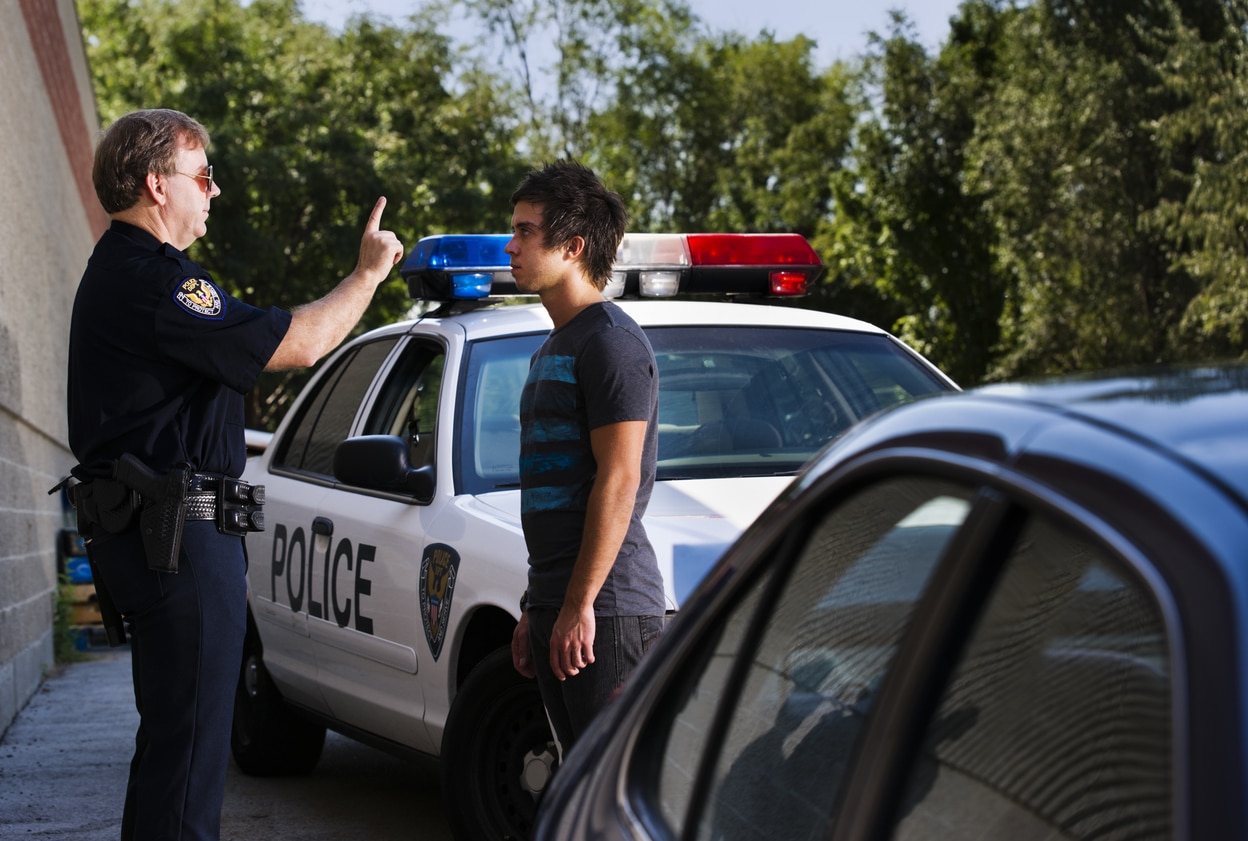
Why Video Matters
Bodycam footage may reveal:
- How instructions were given
- Environmental conditions
- Driver performance
Many defense attorneys consider field sobriety recordings among the most valuable forms of DWI bodycam evidence.
Environmental Factors Often Matter
Traffic stops rarely occur under ideal conditions.
Common Problems Include
- Darkness
- Rain
- Wind
- Uneven pavement
Video Reveals Conditions
Written reports may mention these factors briefly—or not at all.
Bodycam footage often shows conditions directly.
How Prosecutors Use DWI Bodycam Evidence
Prosecutors frequently rely on video evidence.
Why Prosecutors Like Bodycam Footage
Video may show:
- Erratic behavior
- Confusion
- Difficulty following directions
Visual Evidence Feels Powerful
Jurors often trust what they can see with their own eyes.
This can strengthen prosecution arguments considerably.
How Defense Attorneys Use Bodycam Footage
Defense lawyers review recordings carefully.
They Look for Inconsistencies
Common questions include:
- Does the video match the report?
- Were instructions clear?
- Does the driver appear impaired?
Small Details Matter
Even minor inconsistencies may become important later.
DWI Bodycam Evidence and Officer Credibility
Officer credibility often becomes central to DWI cases.
Reports Must Match Reality
If an officer describes behavior that does not appear on video, questions arise.
Credibility Can Influence Outcomes
Judges and juries frequently evaluate:
- Accuracy
- Consistency
- Reliability
Video evidence sometimes strengthens credibility and sometimes weakens it.
Audio Recordings Matter Too
Body cameras record more than visuals.
Conversations Become Evidence
Audio may capture:
- Questions
- Responses
- Instructions
Why Audio Is Important
Words spoken during traffic stops often become key evidence in DWI prosecutions.
Driver Statements and Bodycam Footage
Many defendants unknowingly provide evidence during roadside encounters.
Common Statements Include
- “I only had a couple drinks.”
- “I’m fine to drive.”
- “I was coming from a bar.”
Prosecutors Often Highlight Admissions
Bodycam recordings preserve these statements exactly as spoken.
DWI Bodycam Evidence and Refusal Cases
Not every DWI involves a chemical test.
Some Drivers Refuse Testing
Refusal cases often depend heavily on:
- Officer observations
- Driver behavior
Video Becomes Even More Important
Without blood or breath results, bodycam footage may become one of the strongest forms of evidence available.
Why Viewing the Entire Video Matters
Short clips can be misleading.
Context Changes Interpretation
A thirty-second segment may look very different when viewed alongside thirty minutes of footage.
Defense Attorneys Usually Want Everything
Reviewing the complete recording often reveals details missing from isolated clips.
Bodycam Footage and Nervous Behavior
Many people become nervous during traffic stops.
Nervousness Can Resemble Impairment
Common behaviors include:
- Shaking hands
- Rapid speech
- Anxiety

Video Helps Evaluate Behavior
Jurors can determine whether nervousness appears more consistent with stress or intoxication.
DWI Bodycam Evidence and Medical Conditions
Health issues sometimes affect performance.
Medical Conditions May Impact
- Balance
- Coordination
- Speech
Video Can Provide Context
A person with legitimate medical challenges may appear differently once those issues are understood.
Bodycam Footage Is Not Perfect
Many people assume video always reveals the truth.
Reality is more complicated.
Cameras Have Limitations
Bodycams may:
- Miss certain angles
- Distort depth perception
- Capture poor lighting
What the Camera Sees Is Not Always What People Saw
Perspective matters.
This is one reason DWI bodycam evidence still requires interpretation.
Why Jurors Find Video Persuasive
Visual evidence affects people differently than written testimony.
Seeing Often Feels More Convincing
Jurors frequently trust video because:
- It appears objective
- It feels direct
But Interpretation Still Matters
Two viewers can watch the same footage and reach different conclusions.
Missing Footage Creates Questions
Sometimes recordings are incomplete.
Technical Issues Happen
Potential problems include:
- Dead batteries
- Equipment malfunctions
- Recording interruptions
Missing Video May Become a Legal Issue
Defense attorneys often investigate why footage is unavailable when important events should have been recorded.
DWI Bodycam Evidence and Arrest Procedures
Arrest behavior sometimes influences perceptions. What happens during the moments immediately before and after an arrest can shape how prosecutors, defense attorneys, judges, and juries view the entire case. Even small interactions captured on video may become important pieces of evidence later.
Prosecutors May Highlight
- Resistance
- Confusion
- Emotional reactions
Prosecutors often argue that a defendant’s behavior during an arrest reflects impairment or consciousness of guilt. They may point to specific moments in the footage and claim those actions support the officer’s observations and conclusions about intoxication.
Defense Attorneys May See Things Differently
Stress, fear, and frustration often accompany arrests. Many people become anxious when confronted by law enforcement, especially if they have never been arrested before, and those emotions can sometimes look similar to signs of intoxication on video.
Video provides valuable context. Rather than relying solely on written descriptions, the footage allows viewers to evaluate the defendant’s actual behavior, tone of voice, and reactions throughout the encounter.
The Importance of Timing
Events unfold quickly during traffic stops. A DWI investigation may develop over just a few minutes, yet those minutes often become the focus of intense legal analysis months later in court.
Bodycam Footage Creates Timelines
Video helps establish:
- When observations occurred
- When testing occurred
- How interactions progressed
Accurate timelines can be extremely important because they show the sequence of events as they happened. Defense attorneys often review the footage carefully to determine whether procedures were followed correctly and whether the officer’s report accurately reflects what occurred during the stop.
Timing also helps courts understand the overall flow of the investigation. Small gaps between observations, questioning, field sobriety testing, and arrest decisions may sometimes raise important legal questions that would be difficult to identify without bodycam footage.
Accurate Timelines Matter
Small timing differences sometimes affect legal arguments.

Conclusion
DWI bodycam evidence has transformed modern drunk driving defense because it provides a visual and audio record of events that once depended largely on written reports and witness recollections. Bodycam footage often captures traffic stops, field sobriety testing, conversations, arrest procedures, and environmental conditions that may significantly influence how a case is evaluated.
For prosecutors, bodycam recordings can strengthen evidence by showing signs of impairment directly. For defense attorneys, the same footage may reveal inconsistencies, unclear instructions, environmental challenges, medical explanations, or behavior that appears less impaired than described in police reports. Because of this dual role, bodycam footage often becomes one of the most heavily scrutinized forms of evidence in DWI litigation.
Perhaps most importantly, bodycam recordings remind everyone involved that DWI cases rarely depend on a single piece of evidence. Video must still be interpreted, analyzed, and placed within the broader context of the investigation. Cameras capture valuable information, but they do not automatically answer every question.
As technology continues expanding, DWI bodycam evidence will likely remain one of the most influential tools available in both prosecution and defense, shaping how courts, juries, and attorneys evaluate drunk driving allegations for years to come.