
Every Texan who drives should understand what the law considers “too much” when it comes to alcohol consumption and driving. That’s where Texas legal blood alcohol concentration laws come into play. These regulations aren’t random—they form the foundation of one of the most aggressively enforced criminal charges in the state: driving while intoxicated (DWI).
In this guide, we’ll take a closer look at Texas legal blood alcohol concentration, what the law actually permits, how BAC is measured, why it holds weight in court, and how even a minor misstep can lead to serious consequences. Through real-life stories, helpful examples, and a conversational tone, we’ll unpack what every driver should know before getting behind the wheel after drinking.
What Is Blood Alcohol Concentration (BAC)?
The Science Behind the Numbers
Blood Alcohol Concentration, or BAC, measures the amount of alcohol present in a person’s bloodstream. It’s typically expressed as a percentage. For example, a BAC of 0.08% means there are 0.08 grams of alcohol per 100 milliliters of blood.
How is BAC measured? There are a few primary methods:
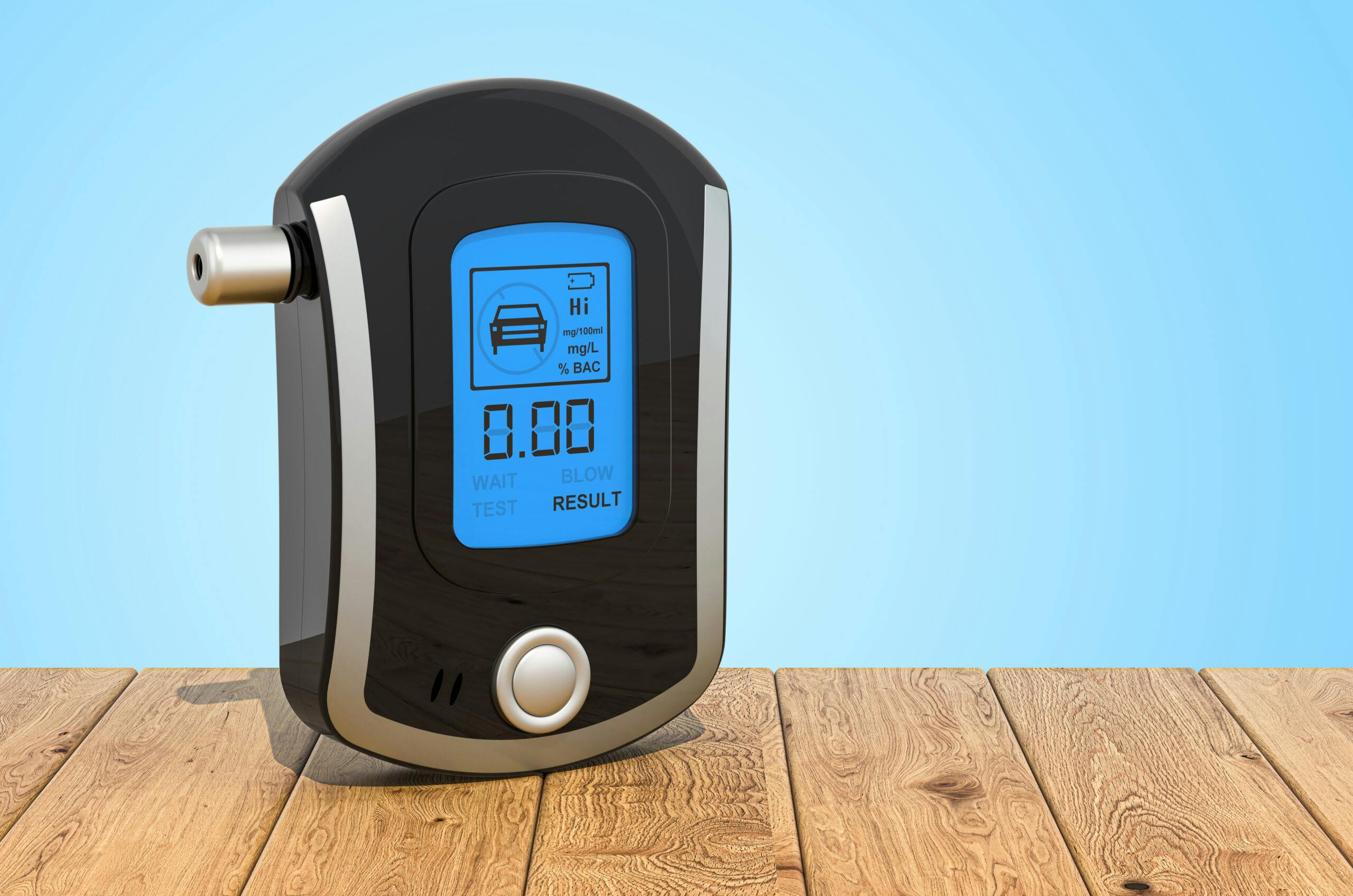
- Breathalyzer test (most common during traffic stops)
- Blood test (usually more accurate, often used after an arrest)
- Urine test (rarely used and considered less reliable)
The method used may vary depending on the situation, but the results matter. Because once your BAC hits a certain point, you’re legally intoxicated under Texas law—even if you feel totally fine.
Texas Legal Blood Alcohol Concentration Limits
Know the Thresholds
So what exactly is the Texas legal blood alcohol concentration limit? Here’s how it breaks down:
- Adults 21 and older: 0.08% BAC is the legal limit
- Commercial drivers: 0.04% BAC is the limit
- Minors (under 21): Any detectable amount is illegal—known as “zero tolerance”
These limits are defined in Texas Penal Code § 49.01 and apply to all drivers operating motor vehicles on public roads.
Real-life example:
Derek, 34, had three beers over dinner and felt perfectly capable of driving. A routine traffic stop led to a breath test showing a BAC of 0.09%. Even though he didn’t appear drunk, he was over the Texas legal blood alcohol concentration limit and was arrested for DWI.
This kind of story happens every day in Texas—and it’s a clear example of how BAC can trigger legal trouble before drivers even realize they’re over the line.
Why 0.08%? The Legal Justification
The National Standard, State-Enforced
The 0.08% limit isn’t unique to Texas. It’s the national standard, established by the federal government and adopted by all 50 states to define the legal threshold for impairment.
Why 0.08%? Studies show that, at this level:
- Reaction time slows
- Coordination is impaired
- Judgment is reduced
- Concentration and tracking ability decline
In other words, even if you don’t feel intoxicated, your ability to drive safely is already compromised. That’s the science behind the Texas legal blood alcohol concentration threshold—and why it’s taken so seriously in court.
Implied Consent and BAC Testing in Texas
You Agreed—Whether You Know It or Not
Texas drivers operate under an “implied consent” law. That means by driving on public roads, you’ve legally agreed to submit to a chemical test (breath or blood) if you’re lawfully arrested for DWI.
Refusing to take the test can trigger its own set of penalties—even if you’re never convicted of DWI. These include:
- Automatic license suspension (180 days for first refusal)
- Use of your refusal as evidence in court
- A warrant for a mandatory blood draw (yes, that can happen)

Understanding this is critical. If you’re pulled over and suspected of DWI, BAC testing isn’t optional in the eyes of the law—and refusal often makes things worse.
How Alcohol Affects BAC
It’s Not Just How Much You Drink
You might be surprised to learn that two people can drink the same amount and end up with very different BAC levels. Several factors influence how alcohol affects your body:
- Weight and body composition
- Gender (women typically absorb alcohol faster)
- Metabolism and hydration
- Time spent drinking
- Food intake
A 150-pound man may reach a BAC of 0.08% after four drinks in two hours. A 120-pound woman might hit the same level after just two or three drinks.
That’s why relying on how you “feel” is dangerous. BAC isn’t about intuition—it’s chemistry. And when you cross the Texas legal blood alcohol concentration line, the consequences can be serious.
Penalties for Exceeding the Legal BAC Limit
The Consequences of Being Over 0.08%
If you’re found driving with a BAC over the Texas legal blood alcohol concentration threshold, you can face the following penalties for a first offense:
- Up to 180 days in jail (minimum of 3 days)
- Fines up to $2,000
- License suspension up to one year
- Mandatory DWI education class
- Annual surcharge up to $2,000 for 3 years
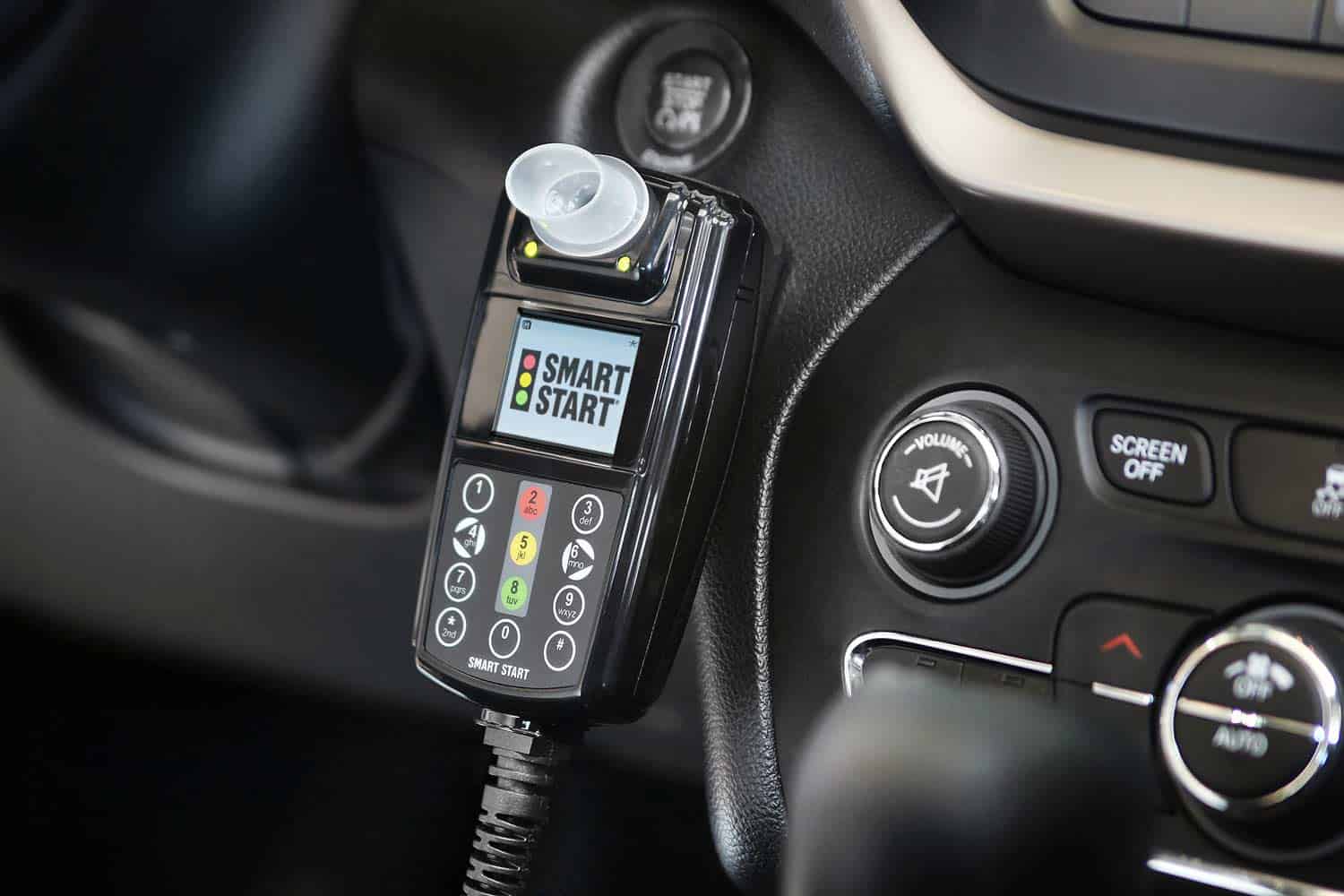
- Installation of anignition interlock device(in some cases)
Subsequent offenses lead to steeper consequences, including longer jail terms, higher fines, and permanent license revocation. And if your BAC was 0.15% or higher, the misdemeanor can be bumped to a more serious charge.
Can You Be Charged Even If You’re Under 0.08%?
Yes—It Happens More Than You Think
The short answer is yes. Under Texas Penal Code § 49.01(2)(A), someone can be charged with DWI even if their BAC is under 0.08%, as long as they lack the normal use of mental or physical faculties due to alcohol or drugs.
Example:
Ashley was driving late at night when she missed a stop sign and swerved off the road. She was pulled over and admitted to having a couple of drinks. Her BAC came in at 0.06%. But the arresting officer noted slurred speech, unsteady footing, and erratic driving behavior. She was still charged with DWI.
This scenario illustrates a crucial point: the Texas legal blood alcohol concentration limit is not the only factor courts consider. Behavior, testimony, and field sobriety test results all matter.
BAC for Commercial Drivers and Minors
Special Rules Apply
The law is stricter for certain categories of drivers:
- Commercial drivers (CDL holders): Legal BAC limit is 0.04%
- Drivers under 21: Any detectable alcohol = zero tolerance
If you’re a commercial driver, a BAC of 0.05% could still lead to disqualification of your CDL and employment consequences—even without a DWI conviction.
Minors face automatic license suspension for even trace amounts of alcohol. This zero-tolerance policy reflects Texas’s tough stance on underage drinking and driving.
Real-Life Case: A Lesson in Overconfidence
Kevin, a 27-year-old from San Antonio, went out with friends and had four mixed drinks over four hours. He felt sober, so he drove home. A routine stop for a broken taillight led to a breath test: 0.10% BAC.
Kevin was arrested, spent a night in jail, and ended up with a DWI conviction. His license was suspended, and his car insurance doubled. Worse, his company—which had a clean driving record policy—put him on unpaid leave.
His story is a clear reminder that even when you feel fine, you can still be over the Texas legal blood alcohol concentration limit. And the consequences are swift and serious.
Challenging BAC Results in Court
It’s Not Always an Open-and-Shut Case
Fortunately, a BAC reading above 0.08% doesn’t guarantee conviction. Defense attorneys regularly challenge DWI charges by reviewing:
- Whether the testing equipment was properly calibrated
- If the officer followed correct procedures
- Whether the blood sample was contaminated
- If the driver had a medical condition affecting the result
- Whether the timing of the test accurately reflected BAC at the time of driving
Errors in the arrest process can be enough to get charges reduced—or even dismissed. That’s why anyone facing a DWI charge should consult a defense attorney right away.
Tips to Stay Below the Legal Limit
Avoiding Legal Trouble Starts with Smart Choices
You don’t have to swear off alcohol forever—but you do need to be mindful if you’re driving. Here are a few practical ways to stay under the Texas legal blood alcohol concentration limit:
- Track your intake: Use a BAC calculator, but always err on the side of caution
- Drink slowly: One drink per hour is a general guide
- Eat food while drinking: This slows alcohol absorption
- Hydrate throughout the night
- Invest in a personal breathalyzer for reference
- Use rideshare apps or designate a sober driver

These small decisions can help you avoid a major legal disaster.
Final Thoughts on Texas Legal Blood Alcohol Concentration
Understanding Texas legal blood alcohol concentration is about more than memorizing a percentage. It’s about recognizing how alcohol affects your body, how officers evaluate your behavior, and how one poor decision can have life-altering consequences.
Although 0.08% is the legal limit, that number doesn’t guarantee safety or immunity. You can be charged below it, punished above it, and lose your license before ever seeing a judge.
If you’re facing a DWI or worried you may have made a mistake, don’t wait. Consult with a qualified attorney, understand how your BAC plays into the case, and prepare a strong defense.
Because in Texas, the rules around alcohol and driving are strict—and what you don’t know could cost you more than just your license.