
If you’ve ever been pulled over late at night after having a drink or two, you’ve likely wondered—what gave the officer the legal right to stop me in the first place? In legal terms, the answer lies in something called Texas DUI probable cause. It’s a phrase you’ll hear a lot in courtrooms and legal discussions, but understanding what it actually means can make all the difference in how your case unfolds.
In this article, we’re going to unpack everything you need to know about Texas DUI probable cause—what it is, how it’s established, what happens if it’s challenged, and how it affects both your rights and your defense. We’ll break it down with real-life examples, court-tested legal insights, and clear, punchy explanations designed to help you see what’s at stake—and how to protect yourself.
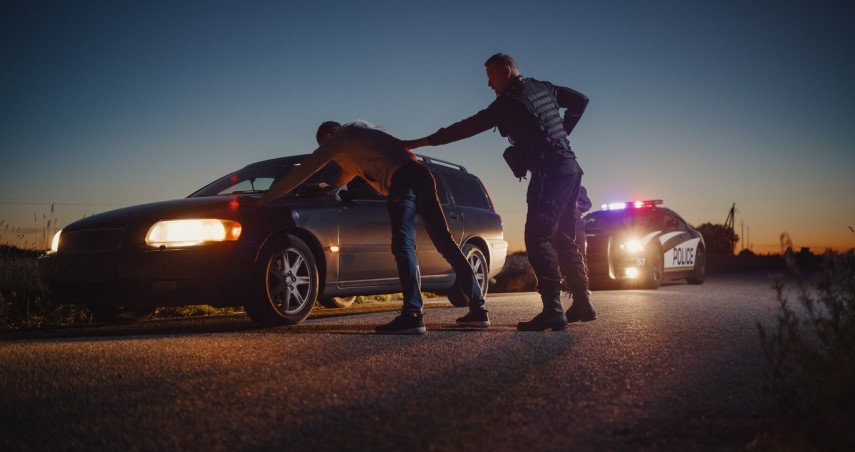
What Is Probable Cause in a Texas DUI Case?
The Legal Foundation
Probable cause isn’t just a buzzword. It’s a constitutional requirement. Under both the U.S. Constitution and Texas law, police officers must have probable cause before they can arrest someone or conduct certain types of searches. In the context of a DWI or DUI stop, Texas DUI probable cause refers to the legal standard an officer must meet before making an arrest for driving while intoxicated.
So what does that look like in practice? For a DUI arrest to be valid, the officer must have observed enough evidence to reasonably believe you were driving while impaired. This doesn’t mean they need proof beyond a reasonable doubt—but they do need more than a hunch.
Reasonable Suspicion vs. Probable Cause
Why the Distinction Matters
Before we get too deep, let’s clarify something important: reasonable suspicion and probable cause are not the same thing.
- Reasonable suspicion allows an officer to pull you over.
- Probable cause allows them to make an arrest or conduct BAC testing.
In a typical traffic stop, the sequence goes like this:
- Officer sees a traffic violation or suspicious behavior (reasonable suspicion).
- Officer conducts a brief investigation—asks questions, observes behavior.
- Based on what they see, smell, or hear, they establish Texas DUI probable cause.
- Arrest and further testing follow (breath, blood, orfield sobriety tests).
If at any point this chain breaks—especially at the probable cause stage—any evidence gathered afterward might be thrown out in court.
Examples of Probable Cause for DUI in Texas
What Officers Look For
So what actually qualifies as Texas DUI probable cause? The list is long and fact-specific, but here are some of the most common indicators officers rely on:
- Strong odor of alcohol on the driver’s breath or in the vehicle
- Bloodshot, glassy, or watery eyes
- Slurred or mumbled speech
- Open containers of alcohol in the vehicle
- Unsteady balance or difficulty standing
- Admissions of drinking
- Failing field sobriety tests
- Erratic or reckless driving behavior
Let’s say an officer pulls over someone who ran a red light. They smell alcohol, hear slurred speech, and the driver admits to “having a few.” At that point, the officer has gathered enough evidence to establish Texas DUI probable cause and proceed with an arrest.
Real-Life Example: When Probable Cause Falls Apart
A Case That Changed the Outcome
In Fort Worth, a woman named Stephanie was pulled over for a broken tail light. The officer said her eyes were red and that she “seemed nervous.” She refused to answer questions and declined field sobriety testing.
The officer arrested her for DWI anyway. At trial, her attorney argued there was no sufficient Texas DUI probable cause. No smell of alcohol, no poor driving, no slurred speech—just nervousness, which isn’t illegal.
The judge agreed and threw out the case. The arrest was invalid, and all evidence—including the blood test—was excluded. The case was dismissed.
This real-world scenario shows why understanding and challenging probable cause can be a game-changer in a Texas DUI case.
Field Sobriety Tests and Their Role in Establishing Probable Cause
How Much Do They Matter?
Field sobriety tests are designed to help officers determine whether a driver may be impaired. These tests are standardized by the National Highway Traffic Safety Administration (NHTSA) and include:
- Horizontal Gaze Nystagmus (HGN) – Eye movement tracking
- Walk-and-Turn – Coordination and instruction-following
- One-Leg Stand – Balance and timing
Poor performance on these tests can significantly support Texas DUI probable cause. But here’s the catch—many sober people fail these tests due to:
- Nervousness
- Poor coordination
- Medical conditions
- Improper instructions from the officer
- Fatigue

That’s why attorneys often challenge field sobriety tests in court, arguing they shouldn’t have served as the foundation for a DUI arrest.
BAC Tests: Breath and Blood Results After Arrest
The Next Legal Hurdle
After the officer establishes Texas DUI probable cause, the next step is typically a chemical test. This may be a breathalyzer at the scene or a blood draw later at a medical facility or jail.
But here’s the key: these tests come after probable cause is established, not before.
If a defense attorney can prove that the arrest happened without valid probable cause, then even a BAC result over 0.08% might be inadmissible in court.
Probable Cause in Drug-Related DUI Cases
It’s Not Just About Alcohol
In Texas, DUI doesn’t just apply to alcohol. Drug-impaired driving (including marijuana, prescription meds, or illegal substances) also counts—and establishing probable cause in these cases can be more subjective.
Common signs officers cite include:
- Dilated pupils
- Confused or sluggish behavior
- Drug paraphernalia in the car
- Unusual speech patterns
- Erratic driving not consistent with alcohol intoxication
Because there’s no breathalyzer for most drugs, these arrests rely heavily on officer training and observations—which can be challenged in court if the indicators are weak or misinterpreted.
Challenging Probable Cause in Court
What a Strong Defense Looks Like
Successfully fighting a DUI charge often hinges on undercutting the probable cause argument. Skilled defense attorneys will:
- Review dashcam or bodycam footage
- Examine the officer’s report for inconsistencies
- Cross-examine the officer during pretrial motions
- Point out a lack of objective evidence
- File a motion to suppress all evidence from an illegal stop
If the judge rules that there was no valid Texas DUI probable cause, the entire case may fall apart. Without probable cause, the arrest was illegal—and any breath, blood, or field sobriety evidence collected afterward gets excluded.
Can an Anonymous Tip Lead to a DUI Stop?
The Law Says: Sometimes
What if someone calls 911 and says, “There’s a drunk driver in a red pickup heading west on I-20”?
In Texas, officers can act on anonymous tips, but only if the tip includes specific, verifiable facts that suggest criminal activity. If the officer observes the vehicle and sees erratic behavior, they can establish reasonable suspicion and eventually Texas DUI probable cause.
However, if the officer pulls someone over based on a vague or unverifiable report, the stop may be ruled unconstitutional.
This area of law is constantly evolving, and courts often analyze these cases in detail to determine if the officer had enough independent evidence to justify a stop.
The Importance of Officer Training and Behavior
Not All Stops Are Equal
An officer’s training—or lack thereof—can impact how Texas DUI probable cause is established and presented in court. For example, Drug Recognition Experts (DREs) undergo special training to identify drug impairment, making their observations more persuasive in drug DUI cases.
But if an officer lacks proper certification or failed to follow protocol, their probable cause claim becomes weaker. Defense attorneys often dig into training records, past complaints, and disciplinary actions to raise doubts about the officer’s credibility.
What Happens If Probable Cause Is Ruled Invalid?
The Domino Effect
If a judge determines that there was no valid Texas DUI probable cause, several things may happen:
- All evidence collected after the arrest may be thrown out
- The case may be dismissed
- The state may be barred from retrying the case in some circumstances

This is why probable cause isn’t just a procedural formality—it’s a cornerstone of your Fourth Amendment rights. If it crumbles, so does the prosecution’s case.
Real-Life Case: Probable Cause and the Wrong Driver
In Austin, police stopped a vehicle suspected of drunk driving after it drifted over the lane divider. When they approached the car, they found two people inside—one in the driver’s seat, one in the passenger seat.
The officer arrested the passenger, assuming he had been driving earlier. The case was built on that assumption, along with an odor of alcohol.
At trial, the defense produced video showing the passenger had not switched seats. The court ruled there was no valid Texas DUI probable cause to arrest him.
The result? Case dismissed. No conviction. No license suspension.
Final Thoughts on Texas DUI Probable Cause
Understanding Texas DUI probable cause is essential for anyone facing DWI charges—or anyone who drives at all. From the moment you’re pulled over, officers are gathering information to justify an arrest. If they skip steps, make assumptions, or fail to follow the law, your defense attorney can challenge the entire case.
Probable cause protects your rights. It’s the line between legal police action and overreach. Knowing how it works—and when it fails—is the key to building a strong defense.
So if you’re ever in a situation where DUI charges are on the table, don’t just focus on your BAC. Ask: What did the officer actually see? What did they do? And did they have Texas DUI probable cause to arrest me?
Because in the courtroom, that question can make or break your case.