
If you’ve been pulled over for suspected drunk driving in the Lone Star State, understanding the landscape of DUI legal defenses in Texas can make the difference between a conviction and a second chance. Many people assume that if they blew over the legal limit or refused a test, they’re automatically guilty—but that’s far from the full story. In reality, DUI charges are more complex than most drivers realize, and Texas law provides several defense strategies that can be used to challenge your case.
This article will walk you through the most effective DUI legal defenses in Texas you should know, backed by real-world examples and practical insights. We’ll explain what works, why it works, and how defense attorneys break down DUI cases from the inside out. Whether you’re facing your first arrest or you’re helping a loved one prepare for court, this guide will give you a deeper understanding of how Texas DUI defense really operates—beyond the courtroom drama.
Understanding DUI Charges in Texas
What Qualifies as DUI in Texas?
Texas technically uses the term DWI (Driving While Intoxicated) for adults over the age of 21. However, DUI—Driving Under the Influence—is used for minors (under 21) caught with any detectable amount of alcohol. Regardless of the label, both types of charges are serious.
Under Texas Penal Code § 49.04, a person commits a DWI offense if they:
- Operate a motor vehicle
- In a public place
- While intoxicated—meaning they either lack the normal use of mental/physical faculties due to alcohol or drugs, or they have a blood alcohol content (BAC) of 0.08% or higher
The severity of your charges depends on several factors—your BAC level, prior convictions, whether there was an accident, and if any minors were in the vehicle. But even a first offense can carry significant penalties: fines, jail time, license suspension, and permanent criminal records.
That’s why exploring DUI legal defenses in Texas is critical before entering a plea or stepping foot in court.
DUI Legal Defenses in Texas You Should Know
Not All Evidence Is Created Equal
Let’s get one thing straight: being arrested is not the same as being convicted. Prosecutors must prove beyond a reasonable doubt that you were intoxicated and operating a vehicle. Defense attorneys work to create doubt, challenge procedures, and weaken the state’s case. Below are the most common—and often successful—DUI legal defenses in Texas you should know.
Lack of Reasonable Suspicion for the Traffic Stop
Challenging the Initial Encounter
Every DUI investigation in Texas begins with a traffic stop. But officers can’t pull you over without a legal reason. They must have what’s known as reasonable suspicion—a belief based on specific facts that a traffic violation or criminal activity is occurring.
Common reasons officers cite include:
- Swerving or lane drifting
- Speeding or driving too slow
- Ignoring traffic signals
- Expired registration
If your attorney can prove the officer lacked reasonable suspicion for stopping you, any evidence gathered afterward—including breathalyzer or field test results—may be suppressed, meaning it can’t be used against you in court.
Real Case Example: A man in Dallas was stopped for “driving suspiciously late at night,” but the dashcam showed he followed all traffic laws. The judge ruled the stop unconstitutional, and the DUI case was dismissed.
Lack of Probable Cause for Arrest
Field Sobriety Tests Aren’t Always Reliable
After the initial stop, an officer must establish probable cause to make an arrest. This usually involves administering field sobriety tests (FSTs), such as:
- The Horizontal Gaze Nystagmus (HGN) test
- Walk-and-Turn
- One-Leg Stand
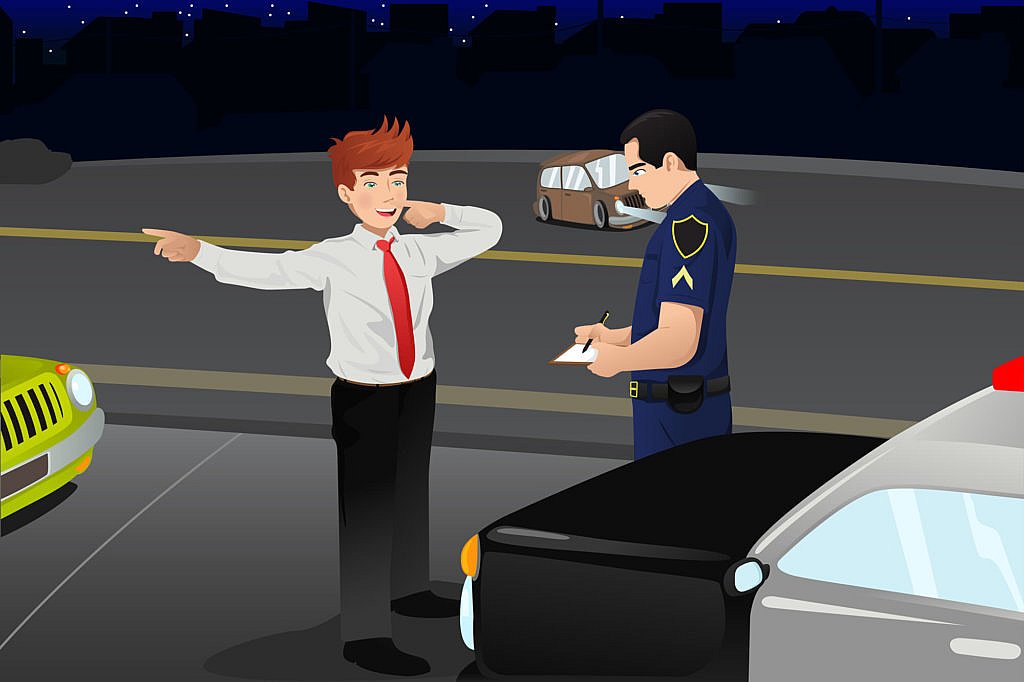
However, these tests are highly subjective. If you failed because of poor lighting, medical conditions, anxiety, or uneven pavement—not intoxication—a skilled attorney can argue that the arrest was premature and unsupported by actual evidence.
Many successful DUI legal defenses in Texas start with questioning how these tests were administered and whether they were interpreted fairly.
Improper Administration of Breath or Blood Tests
Breathalyzer Mistakes Happen More Than You Think
Breath and blood tests are central to many DUI cases, but they’re not foolproof. In fact, challenging the accuracy of chemical testing is one of the most powerful DUI legal defenses in Texas.
Possible issues include:
- Improper calibration of breathalyzer machines
- Use of outdated equipment
- Officer not certified to administer the test
- Failure to observe the driver for 15 minutes before testing
- Contamination or improper storage of blood samples
If there’s doubt about the integrity of the testing process, your attorney can file a motion to suppress the results. Without BAC data, prosecutors often lose their strongest evidence.
Rising Blood Alcohol Defense
You May Have Been Under the Limit While Driving
Alcohol takes time to absorb into your bloodstream. So, if you drank just before driving, your BAC could rise after you’re pulled over. This is known as the rising BAC defense, and it’s another effective DUI legal defense in Texas.
For example, if you’re stopped shortly after leaving a bar, you may blow a 0.09 an hour later—but you were likely under 0.08 while driving. If your attorney can establish this timeline with receipts, witnesses, or expert testimony, your charges could be reduced or dismissed.
Medical Conditions and False Positives
Health Issues That Mimic Intoxication
Certain medical conditions can lead to false signs of intoxication or even affect breathalyzer readings. These include:
- Acid reflux or GERD
- Diabetes (which can produce acetone on the breath)
- Neurological conditions affecting balance and speech
- Hypoglycemia or low blood sugar
If you suffer from any of these, your attorney can raise doubt about the reliability of the tests and challenge the basis of your arrest.
Violations of Your Constitutional Rights
The Fourth and Fifth Amendments Still Apply
Even during a DUI stop, your rights don’t disappear. Officers must follow constitutional procedures, including:
- Reading your Miranda rights if you’re in custody and being interrogated
- Obtaining a warrant for a blood test if you refuse
- Not conducting unlawful searches or detaining you unreasonably
If any of your rights were violated, that could form the basis of a motion to dismiss the case entirely.
Real Story: In a Houston case, police drew blood from a driver without a warrant after he refused a breath test. The judge ruled the blood test unconstitutional, and the charges were dropped.
Inaccurate Police Reports or Dashcam Footage
The Details Matter
One of the most underutilized DUI legal defenses in Texas is using inconsistencies between police reports and dashcam or bodycam footage. Officers sometimes misstate facts or omit crucial details. Video footage can reveal:
- The driver wasn’t as impaired as described
- The field tests were performed incorrectly
- The stop was longer or more aggressive than reported
When evidence conflicts, juries tend to side with doubt—and doubt is the defense’s best friend.

No Actual Operation of the Vehicle
Were You Even Driving?
Believe it or not, people get arrested for DUI in Texas while sitting in parked cars. But if the state can’t prove you were actually operating the vehicle, that weakens their case. Factors that affect this defense:
- Was the engine running?
- Were the keys in the ignition?
- Were you asleep in the driver’s seat or back seat?
If no one saw you driving and there’s no conclusive proof of operation, your charges may not hold up in court.
Independent Witness Testimony
A Third Party Can Make a Big Difference
Another practical yet powerful tool in DUI legal defenses in Texas is witness testimony. This can include:
- Bartenders who saw you leave sober
- Passengers who confirm you weren’t driving
- Bystanders who saw the traffic stop or arrest
- Friends who picked you up and can vouch for your condition
Eyewitnesses can add crucial context that undermines the prosecution’s version of events.
DUI Checkpoint Defenses
Checkpoints Must Follow Strict Rules
Texas does not use DUI checkpoints as commonly as other states, but when they are set up, the rules must be strictly followed. If you were arrested at a checkpoint, your attorney can ask:
- Was the checkpoint publicly announced?
- Was it approved by supervisory officers?
- Were vehicles stopped according to a set pattern?
Any deviation from the protocol can be grounds to challenge the legality of the stop and arrest.
Working with an Experienced DUI Attorney in Texas
Why Legal Help Makes All the Difference
You can know every DUI legal defense in Texas, but without an experienced attorney, applying them in court becomes far more difficult. A skilled DWI lawyer knows:
- When to negotiate and when to fight
- How to file pretrial motions that exclude evidence
- Which local judges lean toward leniency or toughness
- How to poke holes in the prosecution’s timeline
Investing in a defense attorney is not just about avoiding jail—it’s about protecting your future, your license, and your reputation.

Final Thoughts on DUI Legal Defenses in Texas You Should Know
Getting arrested for DUI in Texas is a frightening and serious event—but it’s not the end of the road. The law allows for many defenses, and the right attorney can challenge the evidence, the procedure, or even the legality of the stop itself. From rising BAC to improper testing procedures and constitutional violations, there are numerous ways to fight back.
Understanding these DUI legal defenses in Texas you should know can empower you to take control of your case and avoid the harshest consequences. Knowledge is your best defense—especially when your freedom and future are on the line.