
Facing a DUI charge in Texas can be life-changing. Your reputation, freedom, and future are all on the line. That’s why hiring the right defense lawyer—and understanding how they approach your case—is critical. What many don’t realize is that Texas DUI defense attorney strategies are both an art and a science. It’s not just about arguing in court; it’s about knowing the system, spotting weaknesses in the prosecution’s case, and building a compelling defense that works under Texas law.
In this article, we’ll break down the most effective Texas DUI defense attorney strategies being used today. Through a combination of practical insight, real-world case examples, and a deep dive into the criminal process, you’ll learn how these strategies unfold from the moment of arrest to trial—and how a seasoned attorney can make all the difference.

Understanding the Landscape of DUI Law in Texas
What Makes Texas Different?
Before jumping into specific Texas DUI defense attorney strategies, it’s important to understand what makes Texas unique when it comes to DUI charges (technically referred to as DWI, or Driving While Intoxicated, in Texas).
Under Texas Penal Code §49.04, a person is considered intoxicated if:
- They have a blood alcohol concentration (BAC) of 0.08% or higher, or
- They are impaired due to alcohol or drugs, even if the BAC is lower
Penalties vary depending on prior convictions, BAC level, whether minors were present in the car, or if anyone was injured. First-time offenders face up to 180 days in jail, a fine of up to $2,000, and a license suspension. Second and third offenses can lead to felony charges, higher fines, and years in prison.
That’s why building a strong, targeted defense is essential. Not every case should result in a conviction—and that’s where skilled attorneys step in.
Challenging the Traffic Stop
Was It Even Legal?
One of the first steps in building a DUI defense in Texas is to challenge the traffic stop itself. If the officer didn’t have reasonable suspicion to pull you over, anything that followed—including field sobriety tests and breath results—may be inadmissible.
Key defense strategies include:
- Examining dashcam or bodycam footage
- Reviewing the reason given for the stop (was it a traffic violation or a vague suspicion?)
- Investigating whether the officer followed proper protocol
Example: In Bexar County, an attorney successfully argued that his client was pulled over for “weaving,” but dashcam footage showed a single brief lane change with a signal. The court agreed the stop lacked reasonable suspicion, and the case was dismissed before trial.
This shows that Texas DUI defense attorney strategies often begin before the breathalyzer even comes into play.
Scrutinizing Field Sobriety Tests
Are These Tests Reliable?
Another critical angle in Texas DUI defense attorney strategies is targeting the accuracy and administration of Standardized Field Sobriety Tests (SFSTs).
These tests typically include:
- Horizontal Gaze Nystagmus (HGN)
- Walk-and-Turn (WAT)
- One-Leg Stand (OLS)
However, these tests are highly subjective and depend on the officer’s training, environmental conditions, and the suspect’s physical condition.
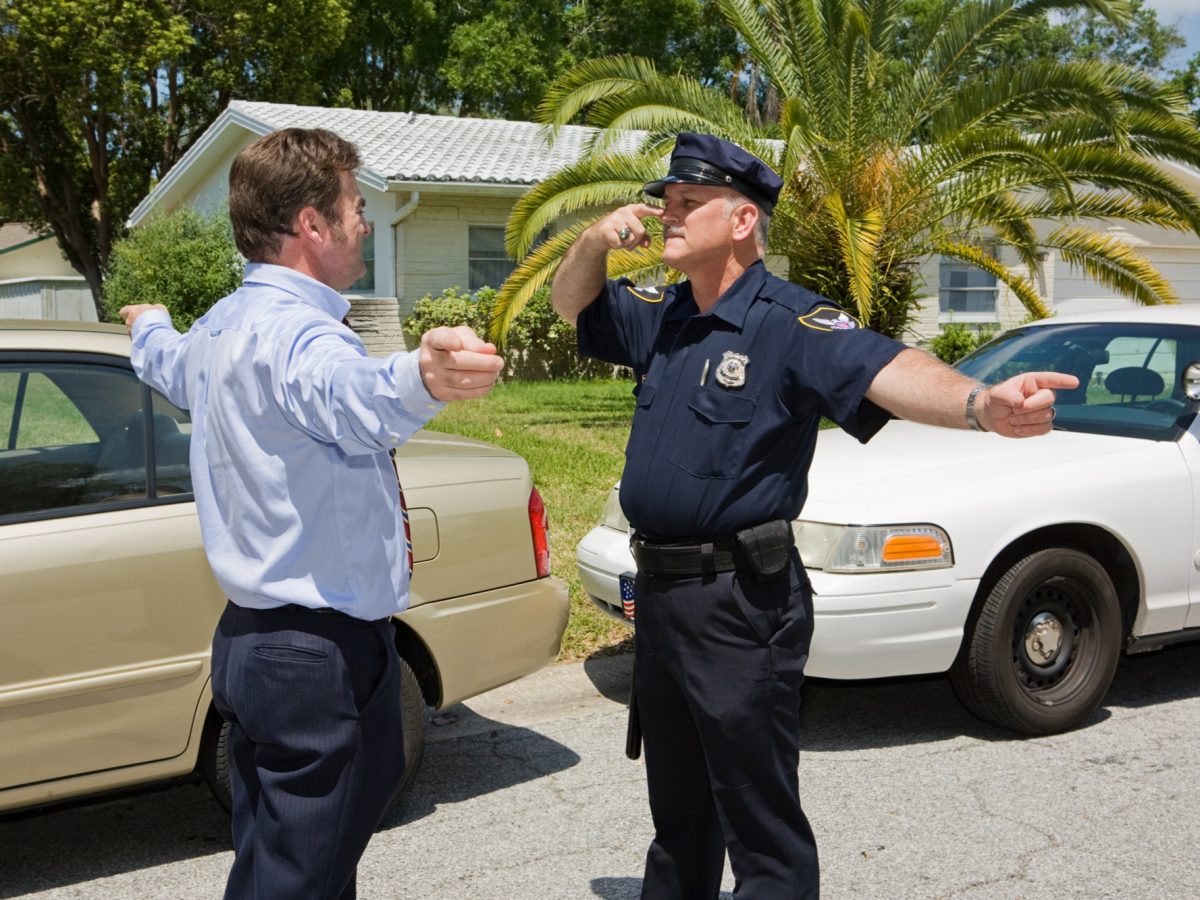
Attorneys often argue:
- The test was conducted on uneven ground or in poor lighting
- The defendant had a medical condition that affected balance or coordination
- The officer didn’t give clear instructions
Real-life case: A defense lawyer in Dallas introduced medical records proving that his client had a knee injury, which made the walk-and-turn test unfair. The judge excluded the test from evidence, weakening the prosecution’s case.
This is a prime example of how detailed knowledge of Texas DUI defense attorney strategies can unravel what appears to be strong evidence.
Contesting Breath and Blood Test Results
The Science Isn’t Always Perfect
BAC results often form the backbone of a DUI case—but they aren’t always accurate. Skilled attorneys know that challenging these test results is one of the most powerful Texas DUI defense attorney strategies available.
Common areas for attack:
- Improper calibration or maintenance of breathalyzer machines
- Operator errors during testing
- Medical conditions (like GERD) that cause false positives
- Chain of custody issues for blood samples
- Delays in testing that allow alcohol levels to rise post-arrest
Attorneys sometimes bring in expert witnesses—chemists, toxicologists, or lab technicians—to explain flaws in the science behind the prosecution’s results.
Case Example: A Houston client had a breath test result of 0.09, just over the legal limit. The defense attorney uncovered maintenance logs showing the machine hadn’t been calibrated properly for over two weeks. That single fact helped get the BAC results thrown out—and the case dismissed.
Asserting the Rising BAC Defense
Timing Can Be Everything
Let’s say a driver drinks alcohol right before getting in the car. Their BAC may have been below 0.08% while driving but rose above the legal limit by the time they were tested.
This is called the rising blood alcohol content (BAC) defense, and it’s one of the more technical Texas DUI defense attorney strategies used in borderline cases.
How it works:
- Alcohol can take 30–90 minutes to fully absorb into the bloodstream
- A breath or blood test conducted later might not reflect BAC at the time of driving
- Defense lawyers use toxicology timelines to illustrate this argument in court
Though not always successful, this defense can create enough doubt to sway a jury—especially in cases with no obvious signs of intoxication.
Highlighting Violations of Rights
Procedural Missteps Can Cost the Prosecution
Another effective strategy involves pointing out constitutional violations, such as:
- Lack of Miranda warnings
- Denial of access to an attorney
- Unlawful search and seizure
- Coerced confessions or admissions
When these violations occur, your defense attorney can file motions to suppress evidence, meaning that the jury never sees or hears key pieces of the case.
Example: A lawyer in Travis County had breath test results suppressed because the officer failed to properly advise the defendant of their rights. With the core evidence gone, the prosecution dropped the charge.
In many cases, the strongest Texas DUI defense attorney strategies are grounded in knowing when the system itself failed to follow the law.

Pursuing Plea Bargains or Case Reduction
When Fighting Isn’t the Only Strategy
While courtroom drama makes for great TV, most DUI cases in Texas are resolved through plea negotiations. An experienced defense attorney knows when it’s best to negotiate rather than go to trial.
Key plea bargain options include:
- Reduction to Obstruction of a Passageway, a Class B misdemeanor with lighter penalties
- Reckless driving, often with no automatic license suspension
- Deferred adjudication, which may result in non-disclosure eligibility later
A good attorney will assess the strength of the state’s case and negotiate from a position of power—not desperation.
Story Insight: A first-time offender in Austin was facing a DUI conviction. His attorney successfully negotiated a reduction to obstruction, allowing him to avoid a criminal conviction and keep his professional license.
This balance of negotiation and litigation skill is what makes Texas DUI defense attorney strategies so dynamic.
Working with Expert Witnesses
Turning Science Into Strategy
In many DUI cases, the facts aren’t enough—you need experts to explain them. Defense attorneys often rely on:
- Toxicologists to explain BAC fluctuations
- Field sobriety instructors to critique officer performance
- Lab specialists to question blood testing accuracy
- Psychologists in cases involving mental health considerations
These professionals lend credibility to your defense and can dramatically shift the courtroom narrative.
Judges and juries are more likely to question the state’s evidence when faced with clear, scientific counterarguments—another cornerstone of modern Texas DUI defense attorney strategies.
Mitigation and Character Advocacy
When You’re Guilty, But Deserve Mercy
Even when the evidence is strong, and a conviction seems inevitable, defense attorneys use mitigation to humanize the defendant and reduce sentencing.
Mitigation includes:
- Letters from employers, pastors, and family
- Proof of counseling or rehab enrollment
- Clean driving history or military service
- Personal hardship documentation
Example: A defendant in El Paso with a high BAC level faced six months in jail. His lawyer presented evidence of ongoing addiction treatment, support from his employer, and a dependent child at home. The judge ordered probation and counseling instead.
In these situations, the focus of Texas DUI defense attorney strategies shifts from winning the case to protecting the future.

Real-Life Case Study: When Everything Worked
Defending Against a Bad Arrest
Daniel, a 32-year-old accountant from Houston, was arrested after a night out. He had a glass of wine and was stopped for a broken taillight. The officer claimed he smelled alcohol and administered a field sobriety test on a dark, uneven sidewalk. Daniel struggled but didn’t appear intoxicated.
His attorney challenged the validity of the stop, brought in a field sobriety expert, and pointed out the flawed breathalyzer records. The prosecution eventually dismissed the case entirely.
Daniel kept his job, his license, and his clean record. It was a textbook application of multiple Texas DUI defense attorney strategies that came together at the right time.
Final Thoughts on Texas DUI Defense Attorney Strategies
A DUI charge doesn’t have to define you. With the right legal team and a well-crafted defense strategy, you have a fighting chance—sometimes even a winning one. From challenging traffic stops to contesting BAC results, the most effective Texas DUI defense attorney strategies blend legal knowledge, courtroom skill, and smart negotiation.
No two cases are the same. The key to success lies in understanding your situation, acting quickly, and choosing a lawyer who knows how to use every tool in the Texas criminal code to your advantage.
If you’re facing a DUI charge in Texas, don’t wait. The earlier your attorney can start building your defense, the better your chances of securing a favorable outcome. And remember: the best defense is one that’s proactive, not reactive.