 Skip to content
If you’ve ever driven home after a night out and seen flashing lights up ahead with police stopping cars, then you’ve witnessed what many Texans refer to when talking about Texas DUI checkpoints and public safety. These checkpoints are designed not as traps but as tools to keep impaired drivers off the road, protect innocent motorists, and raise awareness about the dangers of drunk driving in communities across the Lone Star State.
In this detailed and human‑centered article, we’re going to explore why Texas DUI checkpoints and public safety matters, how these checkpoints operate, what the law says, and what your rights are if you encounter one. We’ll also walk through real‑life examples of how checkpoints have impacted lives, both positive and challenging. By the end, you’ll better understand not just the legal framework, but the human stories behind these public safety efforts.
What Are DUI Checkpoints and Why Does Texas Use Them?
A Public Safety Tool With a Purpose
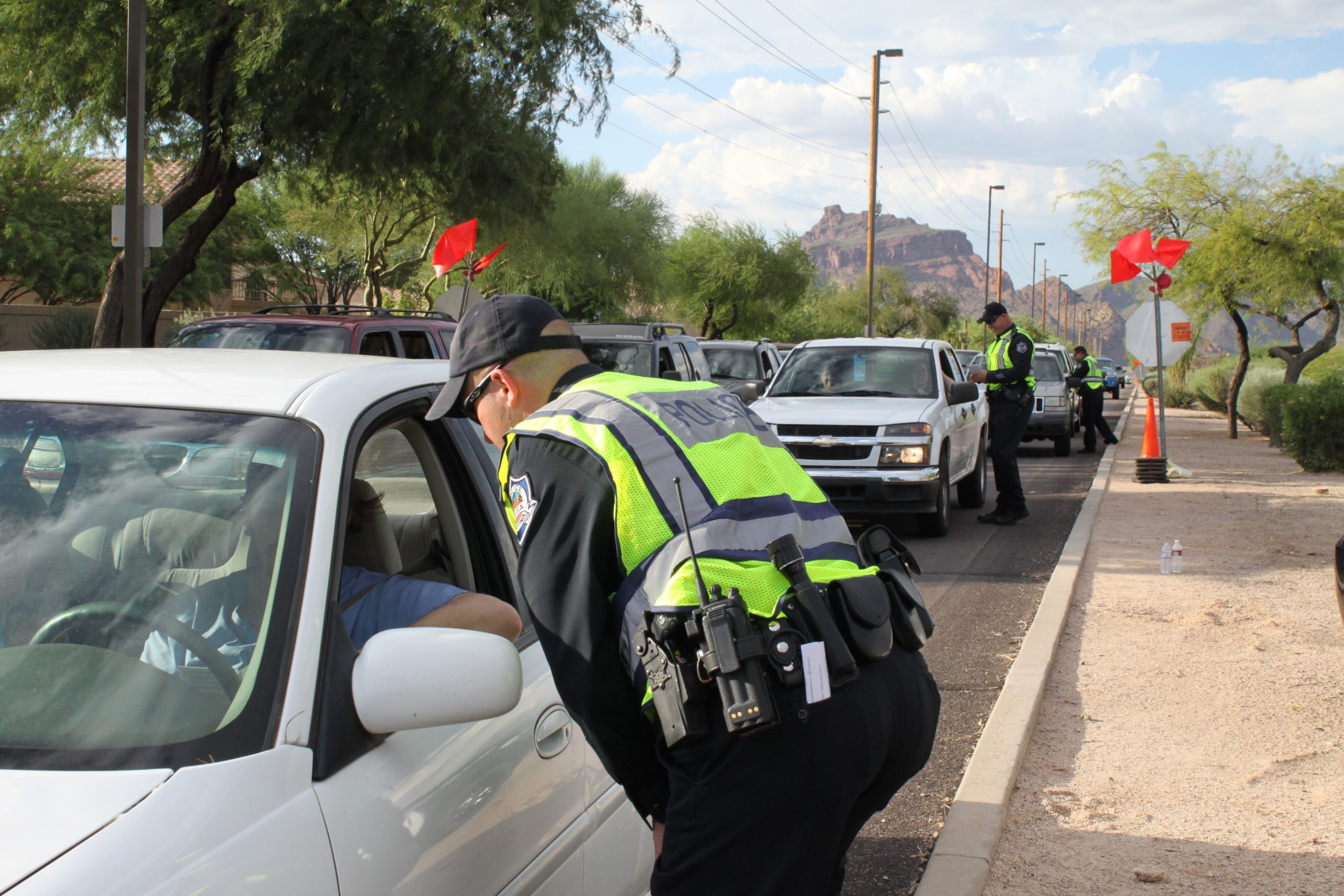
At its core, a DUI checkpoint (also called a sobriety checkpoint) is a temporary law enforcement roadblock where officers briefly stop vehicles to check for signs of driver impairment. The goal isn’t to search cars or harass drivers, but to deter drunk driving, catch dangerous behaviors before they cause harm, and remind the public that the community takes drinking and driving seriously.
In states that allow them, including Texas, DUI checkpoints are set up in strategic locations—often on holidays, weekends, or late at night—when drunk driving crashes spike.
The connection between Texas DUI checkpoints and public safety is straightforward: fewer impaired drivers on the road means fewer deadly crashes, injuries, and life‑altering tragedies.
The Legal Framework: Are DUI Checkpoints Allowed in Texas?
No Direct Statute, But Still Common
Unlike some states, Texas doesn’t have a specific law authorizing sobriety checkpoints. Instead, their legality is derived from court interpretations of the U.S. Constitution and the Texas Constitution. Law enforcement agencies that conduct checkpoints in Texas follow strict guidelines to ensure they don’t violate motorists’ rights under the Fourth Amendment, which guards against unreasonable searches and seizures.
To be constitutional, checkpoints must:
- Be announced in advance
- Use a neutral procedure for stopping vehicles
- Minimize the intrusion for drivers
- Be designed to promote public safety, not generate revenue
In other words, the state won’t detain you indefinitely just because you rolled through a checkpoint. Officers must have a clear plan and follow it consistently.
Because these checkpoints are directly tied to public safety objectives, courts have generally upheld their use as long as they are structured properly.
A Day in the Life of a Checkpoint
What to Expect When You Drive Through
Imagine this: It’s Saturday night, and you’re heading home after dinner with friends. Up ahead, you see orange cones, flashing lights, and signs that read “DUI Checkpoint Ahead.” Your heart might skip a beat—but here’s a clear breakdown of what typically happens:
- Approach the Checkpoint
Officers will slow traffic and may have signs or cones guiding you where to stop. You’ll roll up slowly, just as you would at a stop sign. - Brief Interaction
The officer may ask for your driver’s license, vehicle registration, and proof of insurance. They’ll observe your behavior and speech. - Observation for Impairment
Officers are trained to recognize signs of intoxication—bloodshot eyes, odor of alcohol, slurred speech, delayed responses, and other cues. - Decision to Release or Further Evaluate
If there’s no sign of impairment, you’ll be waved through with a friendly reminder to drive safely. If the officer suspects intoxication, you could be directed to a secondary screening area for field sobriety tests or breath testing.
During all of this, officers are focused on Texas DUI checkpoints and public safety, not punishing harmless drivers.
Real-Life Story: A Close Call Turned Lesson
Mark’s story is a powerful example of why Texas DUI checkpoints and public safety initiatives are so important.
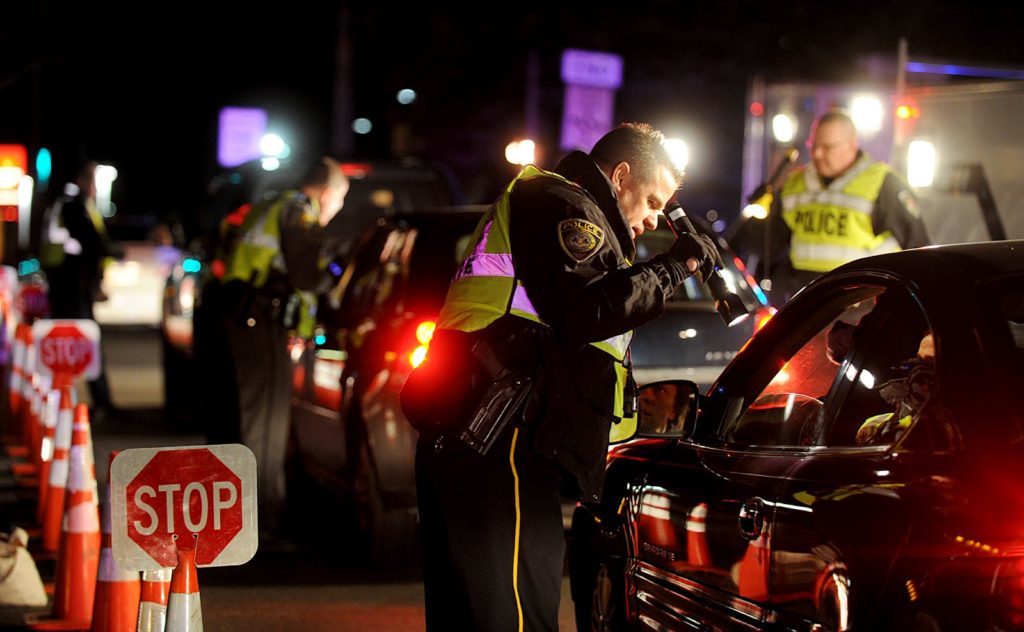
One Friday night near San Antonio, Mark had two beers with dinner. He felt fine, drove home, and thought nothing of it. But as he approached a checkpoint, officers noticed a slight odor of alcohol and asked him to step out of the car. His reflexes were a bit slow on the field tests, and his breath test showed a BAC of 0.07%—just under the legal limit.
Instead of being arrested, Mark received a warning and was offered educational resources about the effects of alcohol on driving ability. He later told friends that the experience opened his eyes; he realized how easy it is to overestimate one’s abilities and how checkpoints serve as important reminders tied to public safety.
The Public Safety Impact: What the Data Shows
Evidence Supports Checkpoint Effectiveness
Across multiple studies and data sets, areas that use DUI checkpoints tend to show:
- Fewer alcohol‑related crashes during high‑visibility enforcement periods
- Increased public awareness of DUI laws
- Higher rates of self‑reported prevention behaviors
It’s one thing to talk about Texas DUI checkpoints and public safety in theory. It’s another to watch data show that communities with coordinated enforcement see fewer tragic outcomes from impaired driving.
Some police departments even publish their checkpoint results, including:
- Number of drivers stopped
- Number of impaired drivers identified
- Breathalyzer test outcomes
- DUI arrests made
This transparency shows the checkpoints aren’t arbitrary—they’re tied to measurable safety goals.
The Debate: Supporters and Critics of DUI Checkpoints
Balancing Safety and Civil Liberties
Even with data on their effectiveness, DUI checkpoints generate debate. Supporters argue checkpoints:
- Deter impaired driving
- Save lives
- Raise public awareness
- Encourage responsible behavior
Critics sometimes counter that checkpoints:
- Infringe on personal freedom
- Aren’t as efficient as saturation patrols
- Can feel intrusive to law‑abiding drivers
But when we frame the discussion in terms of public safety, the conversation shifts. Are checkpoints inconvenient? Sometimes. Do they stop people who have had one too many? Yes, and that’s the point. Reducing the number of impaired drivers saves lives and prevents injuries to families on the road.
Myth vs. Reality: What People Get Wrong About DUI Checkpoints
Separating Fact from Fear
Let’s clear up a few common misconceptions about Texas DUI checkpoints and public safety:
Myth: “Officers can search my car whenever they want at a checkpoint.”
Reality: No. Unless they see something in plain view or have individualized suspicion, they generally cannot search your vehicle without your consent.
Myth: “Checkpoints target only drunk drivers.”
Reality: The initial purpose is to assess impairment risk. If officers observe signs of other illegal activity, those situations are handled separately—not as the checkpoint’s goal.
Myth: “If I refuse to talk, I’ll be arrested.”
Reality: You have the right to remain silent. Refusal to answer questions alone doesn’t equal probable cause for arrest.
Understanding what is—and isn’t—true can help reduce anxiety and improve compliance with checkpoints designed for public safety.
Checkpoints vs. Saturation Patrols: What’s the Difference?
Two Tools, Same Goal
Many people confuse DUI checkpoints with saturation patrols. While both aim to reduce impaired driving, they function differently:
- Checkpoints involve systematic stops at fixed locations.
- Saturation patrols involve high concentrations of officers in areas known for DUI activity.
In a saturation patrol, officers are actively looking for signs of impaired driving during routine traffic patrols, not stopping every vehicle at once.
Both strategies are components of Texas DUI checkpoints and public safety efforts. Law enforcement agencies choose based on resources, timing, and community needs.

The Role of Public Awareness and Education
Beyond Just Enforcement
Checkpoints are part of enforcement, but they’re also education tools. Signs placed ahead of checkpoints remind drivers to think before they drive. News releases and social media campaigns explain when and where checkpoints will occur—fully publicizing an enforcement strategy before it happens.
This transparency supports public safety by encouraging:
- Designated drivers
- Ride‑sharing
- Awareness of DUI laws
- Personal responsibility
In this way, checkpoints do more than catch impaired drivers—they change behavior.
What to Do If You’re Stopped at a DUI Checkpoint
Stay Calm and Cooperative
If you find yourself at a DUI checkpoint, follow these easy steps:
- Slow down and obey instructions.
- Have your license and registration ready.
- Answer basic questions politely.
- Don’t volunteer extra information.
- If asked to step out, do so calmly.
If officers have reason to suspect impairment, they may ask you to perform field sobriety tests or take a breath test. You also have rights. Refusing a chemical test could lead to administrative penalties like license suspension, so know what each choice means in your state.
Following the law and staying respectful aligns with the goal of Texas DUI checkpoints and public safety—keeping everyone safe and informed.
Real-Life Example: A Family’s Close Call
One evening in Austin, Jessica was driving home from a birthday dinner when she encountered a DUI checkpoint. She’d had a single glass of wine earlier in the night and figured she was fine to drive. At the checkpoint, officers noticed she seemed nervous and asked her to step aside for additional testing.
Her BAC was slightly above the legal limit. She was arrested and faced serious charges. But the checkpoint prevented what could have become a fatal crash on a busy road.
Jessica later said the experience was humbling. “I didn’t feel drunk,” she told friends. “But I wasn’t safe to drive.” Her story reminds us that Texas DUI checkpoints and public safety protect not just strangers, but families, friends, and neighbors.
The Emotional Side: How Checkpoints Impact Communities
Fear, Relief, and Everything In Between
For every driver stopped at a checkpoint, there’s an emotional reaction:
- Some feel annoyed.
- Some feel nervous.
- Others feel grateful when a drunk driver is taken off the road.
These checkpoints have ripple effects: fewer tragic crashes, fewer funerals, fewer lives derailed by impaired decisions.
Public safety isn’t just a legal concept—it’s human. Talk to families who lost loved ones to drunk driving, and they’ll tell you that even a temporary inconvenience at a checkpoint is a small price to pay for safer roads.
What the Future Holds: Trends in DUI Checkpoint Strategies
Technology, Data, and Smarter Enforcement
Police departments aren’t standing still. As part of broader Texas DUI checkpoints and public safety planning, technology is making enforcement smarter:
- Data analytics to target high‑risk areas
- Mobile apps to alert drivers to checkpoints
- Improved breathalyzer technology
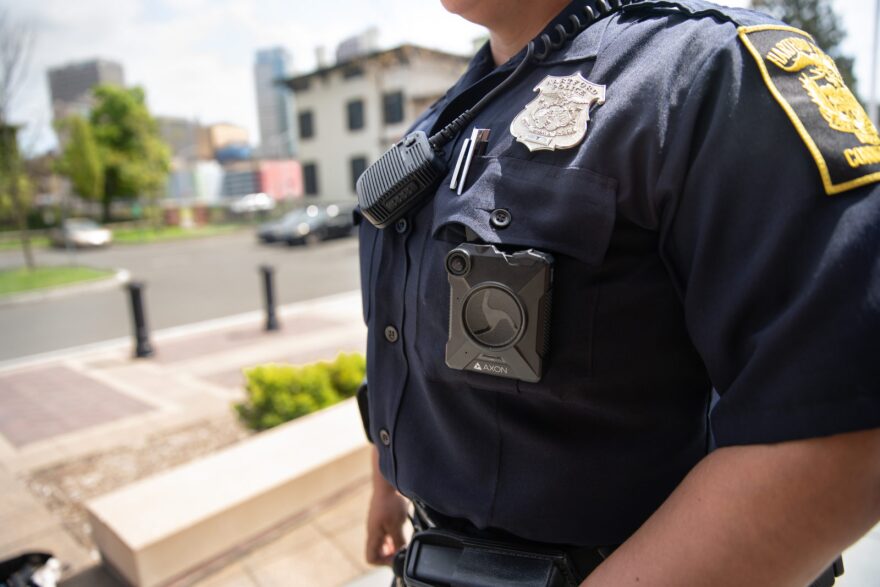
- Body cameras to document interactions
Future strategies will likely focus on reducing crashes even further while balancing driver rights and constitutional protections.
Final Thoughts on Texas DUI Checkpoints and Public Safety
Texas DUI checkpoints and public safety may sound like a dry legal phrase, but at the heart of it is something deeply human: keeping communities safe, protecting families, and preventing needless loss. These checkpoints are not random. They are planned, legal, and grounded in a public safety mission that has saved lives time and again.
As drivers, we all share responsibility for safer roads. Whether it’s choosing a sober ride, understanding your rights, or supporting responsible enforcement, we’re all part of the story.
So the next time you see flashing lights and a line of cars up ahead, remember this: it’s more than a legal hurdle—it’s a community taking a stand to protect you and everyone you love.

