
If you’ve just been arrested for a DWI in Texas, your world may feel like it’s been turned upside down. You’re facing fines, possible jail time, and the dreaded question: Will I lose my license? This is where the Texas ALR hearing process comes into play. Understanding what an ALR (Administrative License Revocation) hearing is—and how it can affect your driving privileges—is essential for anyone charged with driving while intoxicated in Texas.
In this guide, we’ll break down the Texas ALR hearing process from start to finish. You’ll learn what happens behind those DMV hearing doors, how to prepare, what your chances really are, and why this hearing might just be your first shot at defending yourself in a DWI case. No legal jargon, just real talk, real examples, and a clear roadmap to help you regain control of the situation.
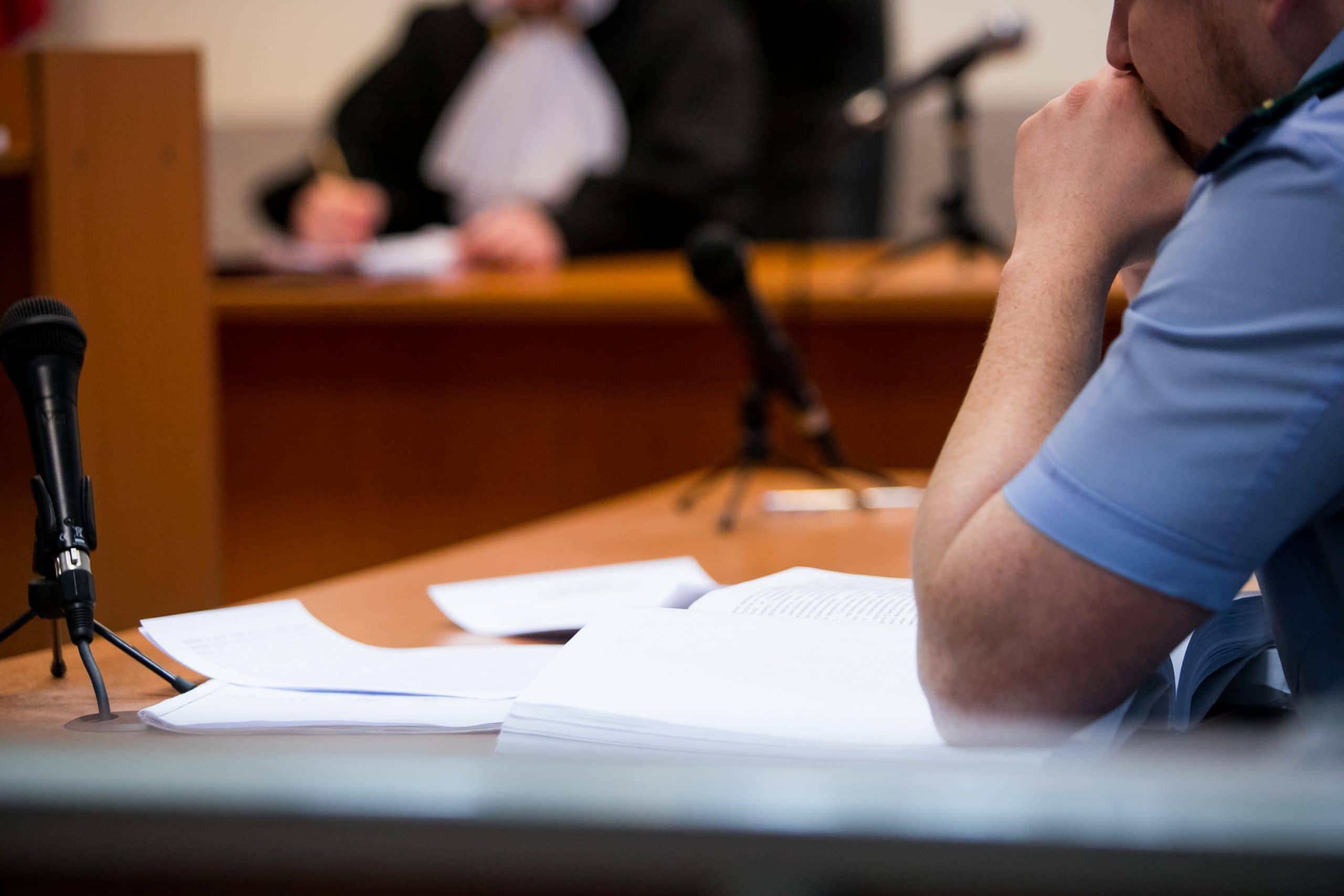
What Is the ALR Hearing?
ALR Isn’t Criminal—But It Feels Just as Serious
The Texas ALR hearing process is part of an administrative procedure, not a criminal case. That’s an important distinction. While your DWI charge will go through criminal court, your driver’s license suspension is handled by the Texas Department of Public Safety (DPS) through the ALR system.
The ALR hearing gives you the chance to challenge the automatic suspension of your license. DPS moves quickly after a DWI arrest—especially if you refused a breath test or failed it with a BAC of 0.08% or higher.
So even if you’re not convicted of DWI in court, you can still lose your license through the Texas ALR hearing process if you don’t take action. That’s why understanding this process and acting fast is so important.
Real-Life Story: James and the Missed Deadline
James, a 29-year-old graphic designer in Austin, was pulled over after swerving between lanes late at night. He submitted to a breath test, blew a 0.12%, and was arrested for DWI. When released, he was handed paperwork and told he had 15 days to request a hearing.
He tossed the papers in his car’s glovebox and forgot about them. When he showed up at the DMV two months later to renew his license, he learned it had been suspended—without ever having a chance to fight it.
James’s experience shows how fast the Texas ALR hearing process moves. Missing a single deadline can cost you months without a license.
Why the ALR Hearing Matters
This Isn’t Just a DMV Formality
Most people assume the ALR hearing is just red tape. But the truth is, this hearing can:
- Delay or prevent your license from being suspended
- Provide early insight into the state’s evidence
- Give your attorney a chance to cross-examine the arresting officer
- Uncover procedural mistakes that may help in your criminal DWI case
So while it’s not a criminal trial, the Texas ALR hearing process is a strategic opportunity. It can influence everything that follows—if you know how to approach it correctly.
Step 1: The 15-Day Deadline
Time Is Not on Your Side
Once you’re arrested for DWI in Texas, you’ll receive a Notice of Suspension (Form DIC-25). This triggers the start of the Texas ALR hearing process.
You have 15 days from the date of the arrest to request a hearing. If you fail to do so, your license is automatically suspended:
- 90 days if you failed the breath/blood test
- 180 days if you refused the test
To request the hearing, you can:
- Call the Texas DPS Customer Service number
- Submit a request online through the DPS portal
- Ask your attorney to file the request on your behalf
If you file in time, your license is not suspended immediately. You’ll receive a temporary driving permit that lasts until your hearing date.

Step 2: Preparing for the ALR Hearing
It’s Not a Trial, But It’s Still a Battle
Once you’ve requested the hearing, the Texas DPS will schedule it. It’s typically held within 40 to 90 days of your arrest, often at a State Office of Administrative Hearings (SOAH) facility.
Preparation is key. While you aren’t required to have a lawyer, representing yourself is risky. Here’s why:
- The DPS will have a trained attorney presenting their case
- Evidence will be introduced, including the arrest report and test results
- The officer may testify under oath, and you or your attorney can cross-examine them
An experienced defense attorney can use this opportunity to challenge the arrest and highlight inconsistencies—laying the groundwork for your criminal defense.
Step 3: What Happens at the ALR Hearing?
Inside the Hearing Room
The Texas ALR hearing process usually takes less than an hour and follows a basic structure:
1. Opening Statements
The DPS attorney explains why your license should be suspended. If you have a lawyer, they may make a brief opening statement too.
2. Evidence Submission
The arresting officer’s report, breath/blood test results, and any dashcam or bodycam footage are submitted as evidence.
3. Officer Testimony
If the officer is present, they’ll testify under oath about what led to your arrest. Your attorney can cross-examine them on details like:
- Whether there was probable cause for the stop
- How the field sobriety tests were conducted
- Whether the implied consent warning was given properly
- The timeline of events
4. Closing Arguments
Both sides summarize their positions. The judge—an administrative law judge (ALJ)—does not rule immediately but instead sends a written decision within a few weeks.
What Must DPS Prove to Suspend Your License?
The Burden of Proof Is Lower Here
Unlike criminal court, where guilt must be proven “beyond a reasonable doubt,” the Texas ALR hearing process only requires a preponderance of the evidence—meaning more likely than not.
To suspend your license, DPS must show that:
- There was reasonable suspicion for the traffic stop
- There was probable cause for the arrest
- You either refused testing or failed with a BAC of 0.08% or higher
If any of these steps are mishandled, your license suspension may be overturned. That’s why having a skilled attorney who understands the Texas ALR hearing process can make a massive difference.

Real-Life Story: Carla Fights Back
Carla, a schoolteacher in Fort Worth, was pulled over at a checkpoint and arrested for DWI. She submitted to a blood test, but the results came back weeks later showing a BAC of 0.07%. Despite this, DPS still moved to suspend her license.
At her ALR hearing, her lawyer argued that the test results did not meet the legal threshold. Additionally, the officer hadn’t followed proper procedure when issuing the implied consent warning. The ALJ ruled in her favor, and her license was never suspended.
This story is a reminder that the Texas ALR hearing process is not a rubber stamp. With the right approach, it’s possible to win.
ALR Hearing Outcomes: What Can Happen?
Win, Lose, or Something in Between
There are typically three outcomes after your ALR hearing:
1. License Suspension Upheld
If the ALJ sides with DPS, your license will be suspended for the designated period. You may still be eligible for an occupational license to drive to work or school.
2. License Suspension Denied
If the judge finds errors in the stop, arrest, or test process, your license will remain valid, and the ALR case is closed.
3. No-Show by Officer
If the arresting officer doesn’t appear at the hearing, DPS may have to withdraw its case. This often results in the license being reinstated—another reason to never miss the hearing.
The outcome of the ALR hearing can also influence plea negotiations in your criminal case. A win at the hearing may lead the prosecutor to offer a better deal—or even dismiss charges in rare cases.
What If You Lose the ALR Hearing?
Options Still Exist
Even if you lose your ALR hearing and your license is suspended, you may still:
- Apply for an occupational license (restricted license for essential travel)
- Appeal the suspension to a county court at law
- Use the hearing transcript to identify weaknesses in the criminal case
So while a license suspension is inconvenient, it’s not the end of the road. The Texas ALR hearing process can still provide valuable insight into how your DWI case may play out.
Tips for Winning Your ALR Hearing
Smart Moves That Make a Difference
Here’s how to give yourself the best shot:
- Hire a DWI defense attorney who knows the ALR process
- Request the hearing immediately (within 15 days)
- Get the police report and review it with your attorney
- Subpoena the officer to ensure they attend
- Challenge the timeline, evidence, or procedures used during the arrest
- Prepare thoroughly for the hearing—it’s not informal just because it’s administrative

A well-prepared defense can shift the odds in your favor—even if you think the evidence is stacked against you.
Final Thoughts on the Texas ALR Hearing Process
If you’ve been arrested for DWI, you can’t afford to ignore the Texas ALR hearing process. It’s not just a bureaucratic formality—it’s your first chance to fight back, gather critical information, and possibly keep your license.
From understanding the rules of the hearing to knowing what DPS has to prove, being proactive and informed gives you the upper hand. And with the right legal support, even a tough case can turn out better than you’d expect.
So don’t wait. The clock starts ticking the moment you’re arrested. Take control, get help, and use the Texas ALR hearing process to your advantage. It might just be the key to protecting your future.