 Skip to content
It only takes one poor decision after a night out to change the trajectory of your life. Whether you’ve had a couple of drinks at happy hour or shared a bottle of wine over dinner, the question often creeps in: am I okay to drive? In the Lone Star State, the answer depends heavily on the Texas alcohol limit for driving, which isn’t just a number—it’s a legal threshold that could mean the difference between a safe trip home and a DUI arrest.
In this in-depth article, we’ll break down the Texas alcohol limit for driving, explain how blood alcohol content (BAC) is calculated, explore exceptions for minors and commercial drivers, and illustrate how even “buzzed driving” can get you into serious legal trouble. To make it easier to digest, we’ll also include real-life scenarios, law enforcement procedures, and insight into what happens after you cross the legal limit.
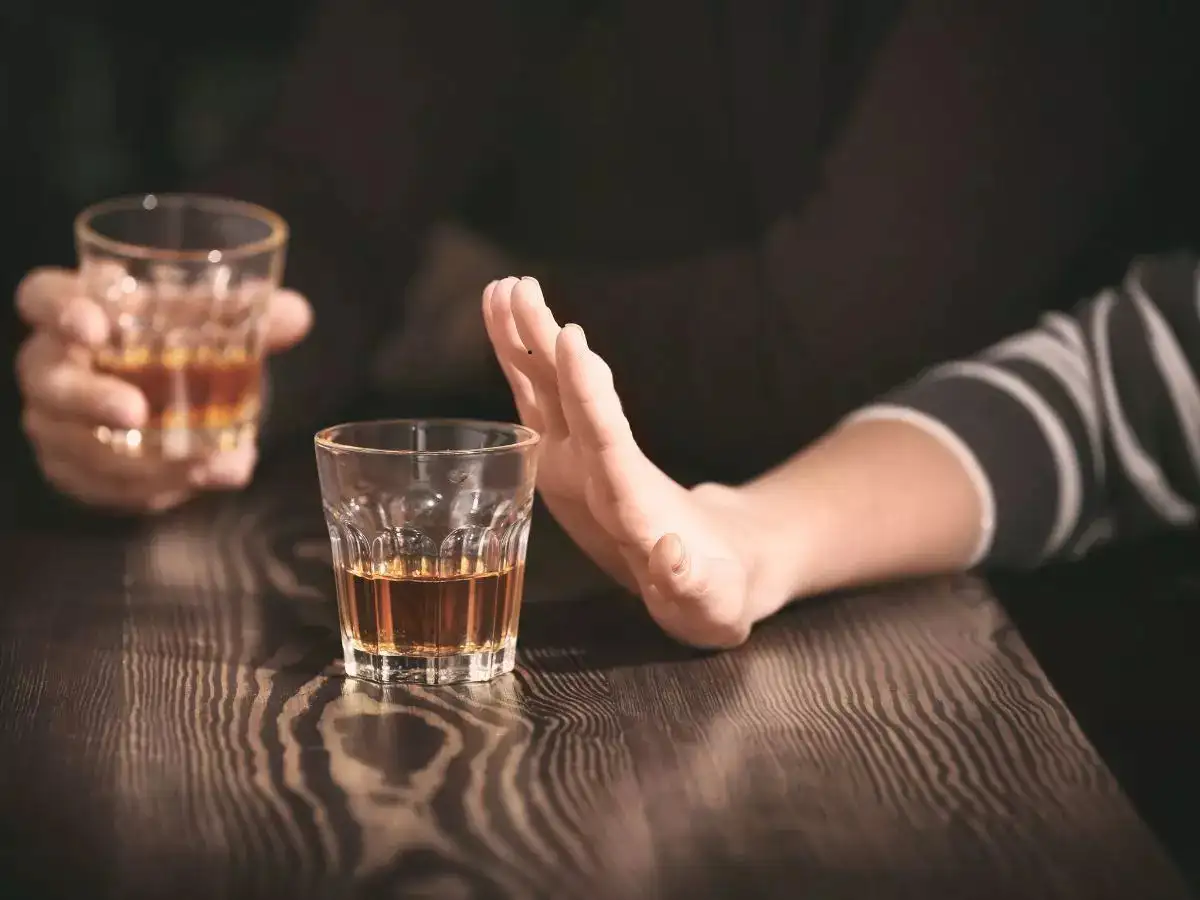
Understanding the Texas Alcohol Limit for Driving
The Legal BAC Threshold
In Texas, the legal blood alcohol concentration (BAC) limit for most drivers is 0.08%. This means that if your BAC is 0.08 or higher while operating a motor vehicle in a public place, you are legally considered intoxicated, and you can be arrested for Driving While Intoxicated (DWI).
However, this legal limit isn’t a free pass to drink up to that number. Texas law also allows for DWI arrests below the 0.08% threshold if a driver has lost the normal use of their mental or physical faculties due to alcohol, drugs, or a combination of substances.
In other words, you can be under the legal limit and still get charged.
Example: Let’s say you blow a 0.07 on a roadside breath test, but you’re slurring your words and struggling to keep your balance. An officer could still arrest you based on observed impairment.
This is one of the most misunderstood aspects of the Texas alcohol limit for driving, and it’s a good reminder that impairment and legality aren’t always the same thing.
How Blood Alcohol Content Is Calculated
Not All Bodies Handle Alcohol Equally
The Texas alcohol limit for driving might be a static number, but BAC levels fluctuate wildly based on various factors:
- Gender: Women generally have a higher BAC than men after consuming the same amount.
- Weight: Heavier individuals tend to have lower BACs for the same alcohol intake.
- Rate of consumption: Slamming three drinks in an hour will raise your BAC faster than sipping them over three hours.
- Food intake: Drinking on an empty stomach increases alcohol absorption.
- Type of alcohol: A 12 oz. beer affects your BAC differently than a shot of tequila or a glass of wine.
Because of these variables, two people can drink the exact same amount but end up with very different BAC levels. That’s why law enforcement focuses on observed behavior and field sobriety tests, not just the number alone.
Special Rules for Commercial Drivers and Minors
Different Limits for Different Drivers
The Texas alcohol limit for driving isn’t always 0.08—it depends on who you are.
Commercial Drivers (CDL holders):
For anyone operating a commercial vehicle, the legal limit is 0.04% BAC. This lower limit reflects the higher responsibility commercial drivers bear when behind the wheel.
Minors (Under 21):
Texas has a zero tolerance policy for underage drinking and driving. Any detectable amount of alcohol in the system of a driver under 21 can result in a DUI (Driving Under the Influence) charge—even if their BAC is only 0.01%.
Example: An 18-year-old driver with a BAC of 0.02%—well below the adult legal limit—can still be arrested and face license suspension, community service, and mandatory alcohol education classes.
Understanding these exceptions is critical for applying the Texas alcohol limit for driving accurately across different groups.
What Happens at a DWI Traffic Stop
From Roadside Questions to Blood Tests
If an officer suspects you’re over the Texas alcohol limit for driving, they will begin a structured investigation. Here’s how it typically unfolds:
- Initial Stop – Often triggered by erratic driving, speeding, or a routine traffic violation.
- Observation – The officer looks for signs of impairment: odor of alcohol, bloodshot eyes, fumbling for documents, etc.
- Field Sobriety Tests – You may be asked to walk a straight line, stand on one leg, or follow a pen with your eyes.
- Breathalyzer – Officers may request a preliminary breath test to estimate your BAC.
- Arrest or Release – If probable cause is found, you may be arrested and taken to a station or hospital for further testing.

Refusing to take a chemical test (breath or blood) can result in automatic license suspension under Texas’s implied consent law—even if you aren’t ultimately convicted.
Knowing your rights and responsibilities at a DWI stop helps you navigate the situation with clarity.
Real-Life Case Study: A BAC Just Over the Line
Tyler, a 26-year-old from Fort Worth, went out for a few beers with coworkers after work. Feeling clear-headed, he decided to drive home. Along the way, he was pulled over for failing to signal a lane change.
Cooperative and respectful, Tyler agreed to a breath test and registered 0.09%—just over the Texas alcohol limit for driving. Although it was his first offense, he spent the night in jail, lost his license for 90 days, and ended up paying more than $7,500 in fines and legal fees.
Tyler’s mistake? Relying on how he felt instead of what the law measures. His case illustrates how quickly an ordinary evening can turn into a legal nightmare when the BAC number crosses that 0.08% line.
The Role of Field Sobriety and Chemical Tests
The Evidence Prosecutors Use in Court
Prosecutors depend heavily on evidence collected during the arrest, especially when someone is close to or just under the Texas alcohol limit for driving.
Key forms of evidence include:
- Field Sobriety Test (FST) results – These test your balance, coordination, and ability to follow instructions.
- Chemical test results – Breath or blood data carries significant weight in court.
- Body camera footage – Police video often provides context about your behavior.
- Eyewitness testimony – Bartenders, passengers, or other drivers may be called to testify.
Even with a BAC below 0.08%, erratic behavior or failing an FST can lead to a conviction. That’s why understanding the full scope of Texas alcohol limit for driving isn’t just about numbers—it’s about perception and legal interpretation.
Penalties for Exceeding the Texas Alcohol Limit for Driving
What’s on the Line if You’re Convicted
Texas penalizes DWI convictions harshly. The severity of the punishment increases with each subsequent offense or aggravating factor.
First DWI Offense:
- Jail time up to 180 days
- Fine up to $2,000
- License suspension ranging from 90 days to 1 year
- Mandatory DWI education class
- Annual surcharges up to $2,000 for three years
Second Offense:
- Up to 1 year in jail
- Fine up to $4,000
- License suspension for up to two years
- Possible ignition interlock device installed in your car
Third Offense:
- Charged as a third-degree felony
- 2 to 10 years in prison
- Fine up to $10,000
- Lifetime criminal record
- Mandatory community service and rehab programs

Penalties intensify further if a child was in the car, if your BAC exceeded 0.15%, or if anyone was injured. Once you cross the Texas alcohol limit for driving, the consequences escalate fast.
Misconceptions About BAC and “Feeling Fine”
When Intuition Betrays You
Many drivers assume they’re okay to drive because they don’t feel drunk. That’s one of the most dangerous myths surrounding alcohol consumption and driving.
Here’s why relying on how you feel is risky:
- Your senses are dulled, even if you feel alert.
- You might be processing alcohol more slowly than usual due to fatigue or lack of food.
- High tolerance doesn’t mean your BAC is lower—it just masks the symptoms of impairment.
These false beliefs cause many first-time offenders to misjudge their ability to drive legally, only to get caught exceeding the Texas alcohol limit for driving.
Can You Legally Challenge BAC Results?
Yes—But It’s Not Easy
There are legitimate legal defenses against DWI charges, even when BAC levels seem damning. Your attorney may argue:
- Faulty calibration of the breathalyzer
- Improper testing procedures
- Medical conditions affecting BAC readings (like GERD)
- Violations of your constitutional rights during the stop or arrest
However, these defenses require strong evidence and often expert testimony. That’s why it’s vital to act quickly and work with an attorney experienced in DWI defense if you’re accused of surpassing the Texas alcohol limit for driving.
Prevention: Smart Choices to Avoid DWI Charges
It’s Not Just About the Law—It’s About Safety
Avoiding DWI charges isn’t just about legal awareness—it’s about planning ahead. Here are strategies to steer clear of crossing the Texas alcohol limit for driving:
- Use a rideshare app like Uber or Lyft if you’ve had more than one drink
- Plan ahead with a designated driver or pre-arranged ride
- Limit your intake based on time and food
- Wait it out if you’re unsure—BAC can drop roughly 0.015% per hour
- Stay overnight if you can’t be certain you’re sober
:max_bytes(150000):strip_icc()/Health-GettyImages-1370695573-f320a55592b2451d93e2fcb00ac7b5e4.jpg)
These habits not only keep you safe but also protect others on the road.
Final Thoughts on Texas Alcohol Limit for Driving Explained
The Texas alcohol limit for driving is legally set at 0.08% for most drivers, but that number is just the beginning. Law enforcement looks at your behavior, level of impairment, and circumstances—not just your BAC. For commercial drivers and minors, the rules are even stricter. And once you’re over the line, the legal consequences are steep.
Understanding how BAC is calculated, how impairment is measured, and how the justice system views DWI cases empowers you to make informed decisions. Next time you’re unsure whether to drive after drinking, remember—it’s not worth the risk. Stay smart, stay safe, and stay on the right side of Texas law.

