 Skip to content
If you’ve ever been stopped for suspected drunk driving with other people in the car, you’ve probably wondered how much weight their words carry. In Texas, passenger statements DUI Texas cases can play a surprisingly important role—sometimes helping the driver, sometimes hurting them, and other times complicating an already tense situation. From the roadside stop to the courtroom, what passengers say (and how they say it) can shape the direction of aDUI case in ways most drivers never anticipate.
This article takes a deep, practical look at passenger statements DUI Texas law and procedure. We’ll explore how officers use passenger statements during traffic stops, how prosecutors evaluate them, when defense attorneys rely on them, and why passengers should be careful before answering questions. Along the way, we’ll walk through real-life scenarios, courtroom dynamics, and strategic considerations so you can understand exactly where passenger statements fit into a Texas DUI arrest.
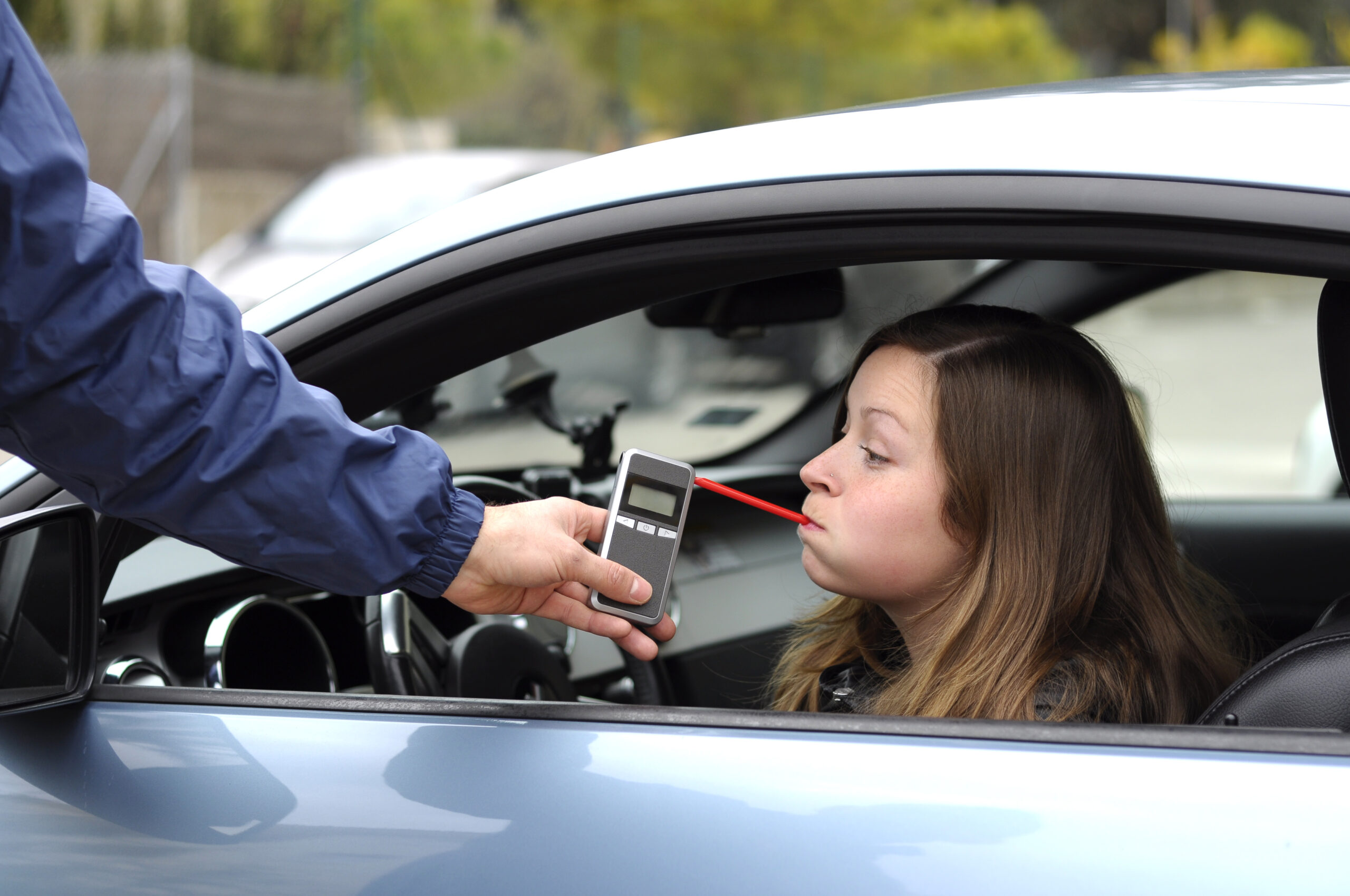
Understanding the Role of Passengers in Texas DUI Stops
Why Officers Talk to Passengers at All
During a DUI stop, officers aren’t focused only on the driver. They’re trained to gather as much information as possible from everyone at the scene. That includes passengers. In passenger statements DUI Texas cases, officers often speak to passengers to:
- Confirm who was driving
- Determine how much the driver drank
- Establish a timeline of events
- Assess credibility through inconsistent stories
- Identify witnesses to alleged impairment
From law enforcement’s perspective, passengers can either corroborate the officer’s observations or undermine them. Either way, their statements become part of the investigative puzzle.
Are Passengers Required to Speak to Police in Texas?
Rights Passengers Often Don’t Realize They Have
One of the most misunderstood aspects of passenger statements DUI Texas cases is whether passengers are legally required to talk. In most situations, passengers are not required to answer questions beyond basic identification if lawfully requested.
Passengers generally have the right to:
- Remain silent
- Decline to answer investigative questions
- Ask if they are free to leave (if not being detained)
However, many passengers don’t know this. In the stress of a traffic stop, they often answer casually—without realizing their statements may later be used in court.
Important distinction:
Passengers cannot legally interfere with the stop or investigation, but silence alone is not obstruction. Knowing this can make a major difference in passenger statements DUI Texas outcomes.
What Officers Typically Ask Passengers
Common Questions—and Why They Matter
Officers often ask passengers questions that seem harmless on the surface. Typical questions include:
- “How long have you known the driver?”
- “Where are you coming from tonight?”
- “How much has the driver had to drink?”
- “Who was driving earlier?”
- “Did the driver seem impaired to you?”
Each question serves a purpose. Officers compare passenger answers to the driver’s answers and their own observations. In passenger statements DUI Texas cases, inconsistencies often trigger further investigation.

How Passenger Statements Can Hurt a DUI Case
When Casual Comments Become Evidence
Passenger statements can significantly hurt a driver’s defense when they support the prosecution’s narrative. For example:
- A passenger says, “Yeah, he had a lot to drink tonight.”
- A passenger admits the group was bar-hopping.
- A passenger describes erratic driving before the stop.
Once recorded in a police report or captured on bodycam, these statements may be used to justify extended detention, field sobriety tests, or even probable cause for arrest.
Real-life scenario:
In Collin County, a passenger told an officer, “We probably shouldn’t have driven, but we were close to home.” That single sentence became a cornerstone of the probable cause argument. The defense later struggled to overcome it—even though the breath test was borderline.
This illustrates how passenger statements DUI Texas cases can turn on words spoken in seconds.
When Passenger Statements Help the Defense
Not All Passenger Statements Are Bad
Passenger statements aren’t always damaging. In many cases, they actually help the defense by contradicting the officer’s claims or filling gaps in the prosecution’s case.
Helpful passenger statements may include:
- Confirming the driver drank very little or not at all
- Describing normal, unimpaired behavior
- Explaining medical or fatigue-related issues
- Confirming the driver was not operating the vehicle earlier
- Clarifying confusing timelines
Example:
In Travis County, a passenger testified that the driver had only one drink over three hours and showed no signs of impairment. Bodycam footage supported the calm demeanor described. The jury acquitted the driver.
In passenger statements DUI Texaslitigation, credible, consistent passenger testimony can raise reasonable doubt.
Credibility Issues With Passenger Statements
Why Prosecutors Often Attack Passenger Testimony
Even when passenger statements support the driver, prosecutors frequently challenge their credibility. Common arguments include:
- The passenger is biased (friend, spouse, relative)
- The passenger was also drinking
- The passenger wants to protect the driver
- The passenger’s memory is unreliable
Prosecutors may argue that a passenger has “every reason to lie” to help the driver avoid charges. This is why defense attorneys must carefully evaluate whether and how to use passenger testimony in passenger statements DUI Texas cases.
The Impact of Passenger Statements on Probable Cause
Extending the Stop Legally
One of the most critical legal moments in a DUI stop is whether the officer has probable cause to escalate the encounter. Passenger statements often factor into this decision.
For example:
- A passenger admits the driver was drinking heavily
- A passenger confirms unsafe driving behavior
- A passenger contradicts the driver’s explanation
These statements can legally justify extending the stop, conducting field sobriety tests, or requesting chemical testing. In passenger statements DUI Texas cases, defense attorneys often scrutinize whether the officer relied too heavily on unreliable or coerced passenger comments.
Passenger Statements and Field Sobriety Tests
Influence on Testing Decisions
Officers don’t randomly decide who gets field sobriety tests. Passenger statements often influence that choice. If a passenger confirms drinking or erratic behavior, the officer may feel justified in proceeding with tests.
However, if passenger statements contradict the officer’s suspicion, the defense may later argue that the tests were unnecessary or unlawfully prolonged.
This interplay makes passenger statements DUI Texas an important issue when challenging the legality of field sobriety testing.
Bodycam Footage and Passenger Statements
The Evidence That Doesn’t Forget
Modern DUI cases rely heavily on bodycam and dashcam footage. These recordings capture:
- The exact words passengers use
- Their tone and demeanor
- Whether officers asked leading questions
- Whether passengers appeared impaired
Defense attorneys often use footage to:
- Show passengers were confused or intoxicated
- Highlight coercive questioning
- Demonstrate inconsistencies in police reports
In passenger statements DUI Texas cases, video evidence can either reinforce or undermine the value of passenger testimony.
Passenger Statements After the Arrest
What Happens Once the Driver Is Taken Away
Once the driver is arrested, officers may continue questioning passengers. At this stage, passengers sometimes:
- Volunteer additional statements
- Give written statements
- Provide contact information as witnesses
Anything said at this point may still be used in court. Passengers should understand that the investigation doesn’t stop when the driver is handcuffed.
This phase of passenger statements DUI Texas cases often produces statements that prosecutors rely on later—sometimes more heavily than roadside comments.
Can Passengers Be Charged Themselves?
When Statements Create New Problems
Passengers sometimes assume they’re “safe” because they weren’t driving. That’s not always true. Passenger statements can expose them to:
- Public intoxication charges
- Drug possession charges
- Open container violations
- False statement allegations
In some cases, passengers who admit providing alcohol to minors or encouraging drunk driving may face legal consequences. This reality shapes how lawyers approach passenger statements DUI Texas situations for everyone involved.
The Role of Passenger Statements at Trial
How Juries Hear Passenger Testimony
At trial, passenger statements may be introduced through:
- Officer testimony
- Bodycam footage
- Written statements
- Live witness testimony
Jurors tend to view passengers as “insiders” with firsthand knowledge. However, they also recognize potential bias. Skilled attorneys frame passenger testimony carefully to either bolster or weaken its impact.
In passenger statements DUI Texas trials, the way testimony is presented often matters more than the testimony itself.

Strategic Decisions for Defense Attorneys
To Call the Passenger—or Not
Defense attorneys must decide:
- Whether to call passengers as witnesses
- Whether to rely on recorded statements instead
- Whether passenger testimony opens the door to harmful cross-examination
Sometimes the best strategy is not to call a supportive passenger if their credibility can be easily attacked. Other times, passenger testimony is essential to establish reasonable doubt.
This strategic balancing act is central to effective defense in passenger statements DUI Texas cases.
When Passenger Statements Contradict Police Reports
Exposing Inconsistencies
One powerful use of passenger statements is exposing contradictions in police reports. For example:
- Officer claims driver slurred speech; passenger says speech was normal
- Officer claims erratic driving; passenger says traffic was congested
- Officer claims strong odor; passenger denies alcohol smell
When backed by video or corroborating details, these contradictions can weaken the prosecution’s case significantly.
In passenger statements DUI Texas litigation, contradictions often form the backbone of suppression motions or acquittals.
Real-Life Case: Passenger Statements That Changed Everything
In Williamson County, a driver was arrested for DUI after a late-night stop. The officer cited erratic driving and alcohol odor. However, two passengers later testified that the driver swerved to avoid debris and had consumed only one beer earlier in the evening.
Bodycam footage showed calm conversation and no obvious impairment. The jury found the passenger testimony credible and acquitted the driver.
This case highlights the potential power of passenger statements DUI Texas when handled correctly.
What Passengers Should Know Before Speaking
Practical Advice That Matters
If you’re a passenger in a DUI stop:
- Stay calm and respectful
- Know you’re not required to answer investigative questions
- Don’t guess or exaggerate
- Ask if you’re free to leave
- Avoid speculation about alcohol consumption

These steps protect both you and the driver. In passenger statements DUI Texas scenarios, silence is often safer than speculation.
Final Thoughts on Passenger Statements DUI Texas
Passenger statements can make or break a Texas DUI case. They can justify an arrest, undermine probable cause, support a defense, or create unexpected legal problems. The key is understanding how these statements are gathered, used, and challenged.
In passenger statements DUI Texas cases, words spoken casually at the roadside often echo loudly in court. Whether you’re a driver, a passenger, or someone supporting a loved one, knowing how passenger statements fit into the DUI process gives you a crucial advantage.
If there’s one takeaway, it’s this: nothing said during a DUI stop is truly casual. Every statement matters, every recording counts, and every choice can shape the outcome.

