
DWI roadside checkpoints Texas discussions often create confusion because many drivers are unsure whether these checkpoints are even legal, and DWI roadside checkpoints Texas questions usually become more complicated once constitutional rights and law enforcement practices enter the conversation. Many people picture dramatic scenes from movies where officers stop every vehicle at large highway barricades looking for intoxicated drivers. Others assume checkpoints happen regularly across Texas. In reality, the legal and practical situation is much more complicated. Questions about constitutional protections, search and seizure law, and public safety all influence how roadside checkpoint discussions unfold in Texas.
Picture a driver in Houston heading home late at night after a concert. Traffic suddenly slows near a line of police vehicles and flashing lights. The driver immediately wonders: “Is this a DWI checkpoint?” Anxiety rises quickly, especially because many people fear that even a minor interaction with police could eventually lead to a dwi charge. Even drivers who have not consumed alcohol may feel nervous when approaching police activity. That uncertainty often comes from misunderstanding how roadside enforcement actually works in Texas. The situation becomes even more confusing when people hear conflicting information online about whether checkpoints are legal at all.
That moment often creates immediate uncertainty.
Understanding DWI roadside checkpoints Texas helps explain how Texas approaches DWI enforcement, why constitutional issues matter so heavily, and what drivers should understand about roadside stops connected to intoxication investigations.
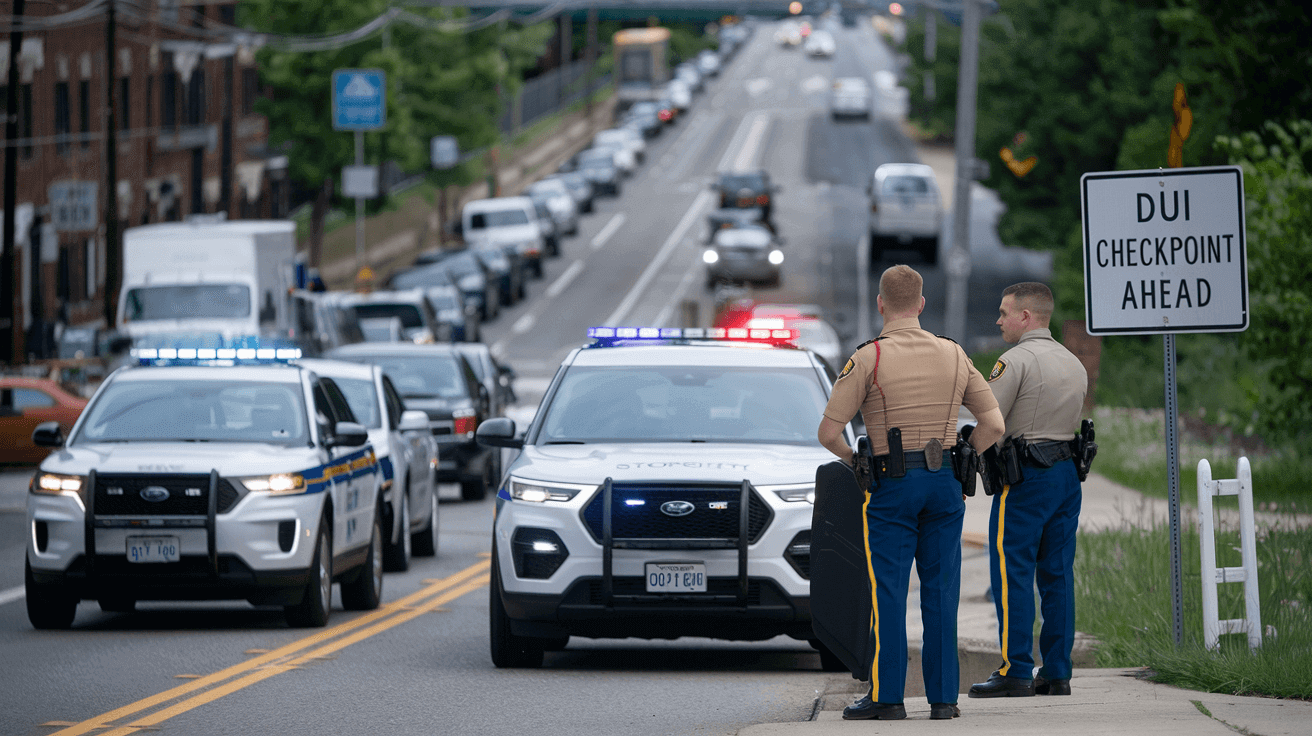
What a DWI Roadside Checkpoint Actually Is
A roadside checkpoint is generally a location where law enforcement officers stop vehicles systematically rather than because of specific driving violations. These operations are designed to allow officers to briefly interact with multiple drivers in a controlled setting. This approach differs from ordinary traffic enforcement where officers usually stop drivers after observing suspicious behavior.
In DWI roadside checkpoints Texas discussions, checkpoints are usually associated with:
- Screening drivers for signs of intoxication
- Conducting brief roadside questioning
- Looking for impaired driving indicators
Unlike ordinary traffic stops:
- Officers may stop vehicles without observing individualized suspicious driving behavior first
This distinction changes how constitutional protections are analyzed during checkpoint discussions. It also explains why legal debates surrounding checkpoints remain so significant.
This distinction is what creates constitutional controversy surrounding checkpoints. Critics often argue that suspicionless stops may conflict with Fourth Amendment protections. Supporters, however, focus on the public safety goals behind impaired-driving enforcement.
From an analytical standpoint, checkpoints balance public safety goals against constitutional protections against unreasonable searches and seizures. Courts often evaluate whether enforcement methods are narrowly tailored and legally justified. Consequently, roadside checkpoint discussions frequently center on constitutional interpretation.
Why DWI Enforcement Receives So Much Attention
Texas treats impaired driving as a major public safety concern. Law enforcement agencies and policymakers often point to serious accidents and fatalities connected to intoxicated driving. This concern drives aggressive enforcement efforts across the state.
Law enforcement agencies often focus heavily on:
- Alcohol-related crashes
- Repeat DWI offenses
- Holiday and late-night enforcement efforts
In DWI roadside checkpoints Texas conversations, supporters of aggressive enforcement often argue:
- Preventing impaired driving saves lives
Because of this:
- DWI enforcement remains a high priority for many agencies throughout the state.
The Constitutional Debate Around Checkpoints
The biggest legal issue surrounding checkpoints involves the Fourth Amendment. Constitutional protections become central whenever law enforcement stops individuals without individualized suspicion. This legal debate has shaped checkpoint discussions for years.
The Fourth Amendment protects against:
- Unreasonable searches and seizures
Critics of checkpoints argue:
- Stopping drivers without individualized suspicion raises constitutional concerns
Supporters argue:
- Public safety interests justify limited checkpoint programs under certain circumstances
In DWI roadside checkpoints Texas discussions, this constitutional debate becomes central because:
- Texas courts and lawmakers have historically approached checkpoints cautiously.
Real-Life Scenario: Drivers Encounter a Police Operation
Consider a late-night enforcement operation in Dallas.
Drivers approaching a busy roadway see:
- Police vehicles
- Traffic cones
- Officers directing traffic
Some drivers assume:
- A DWI checkpoint is underway
However, the operation may actually involve:
- License checks
- Accident response activity
- Targeted enforcement after observed violations
This confusion is common in DWI roadside checkpoints Texas situations because many roadside operations appear similar from a driver’s perspective.
Are Traditional DWI Checkpoints Common in Texas?
Texas does not commonly use traditional DWI checkpoints in the same way some other states do.
This often surprises people because:
- Checkpoints appear frequently in movies and national news coverage
In DWI roadside checkpoints Texas discussions, many enforcement operations instead involve:
- Saturation patrols
- Increased officer presence
- Targeted traffic enforcement

These approaches focus on:
- Observing actual driving behavior before making stops
This distinction matters significantly under Texas constitutional and legal practice.
Saturation Patrols vs Checkpoints
A saturation patrol differs from a traditional checkpoint.
In a saturation patrol:
- Officers spread throughout an area
- Traffic stops occur after officers observe suspected violations or impairment indicators
In DWI roadside checkpoints Texas enforcement strategies, saturation patrols often avoid some constitutional concerns associated with suspicionless stops.
Law enforcement agencies frequently prefer:
- Targeted observation-based enforcement instead of broad checkpoint systems
This enforcement style has become common in Texas.
Real-Life Style Example: Holiday Enforcement Weekend
Imagine a major holiday weekend in Austin.
Police announce:
- Increased DWI enforcement efforts
Drivers later notice:
- More patrol cars
- Heavier police presence near entertainment districts
- Frequent traffic stops after observed driving violations
Many people describe the operation informally as a “checkpoint,” even though officers stop drivers only after:
- Observing specific reasons for enforcement
This example highlights how DWI roadside checkpoints Texas discussions often involve confusion between checkpoints and saturation patrols.
What Officers Look For During DWI Stops
Whether during a checkpoint-style operation or a standard traffic stop, officers often look for:
- Slurred speech
- Odor of alcohol
- Bloodshot eyes
- Delayed responses
- Open containers
In DWI roadside checkpoints Texas enforcement situations, these observations may lead to:
- Field sobriety testing
- Further questioning
- Arrests if probable cause develops
The initial interaction therefore becomes extremely important.
Field Sobriety Testing and Roadside Investigations
Once officers suspect impairment, they may request:
- Field sobriety exercises
- Breath testing in some circumstances
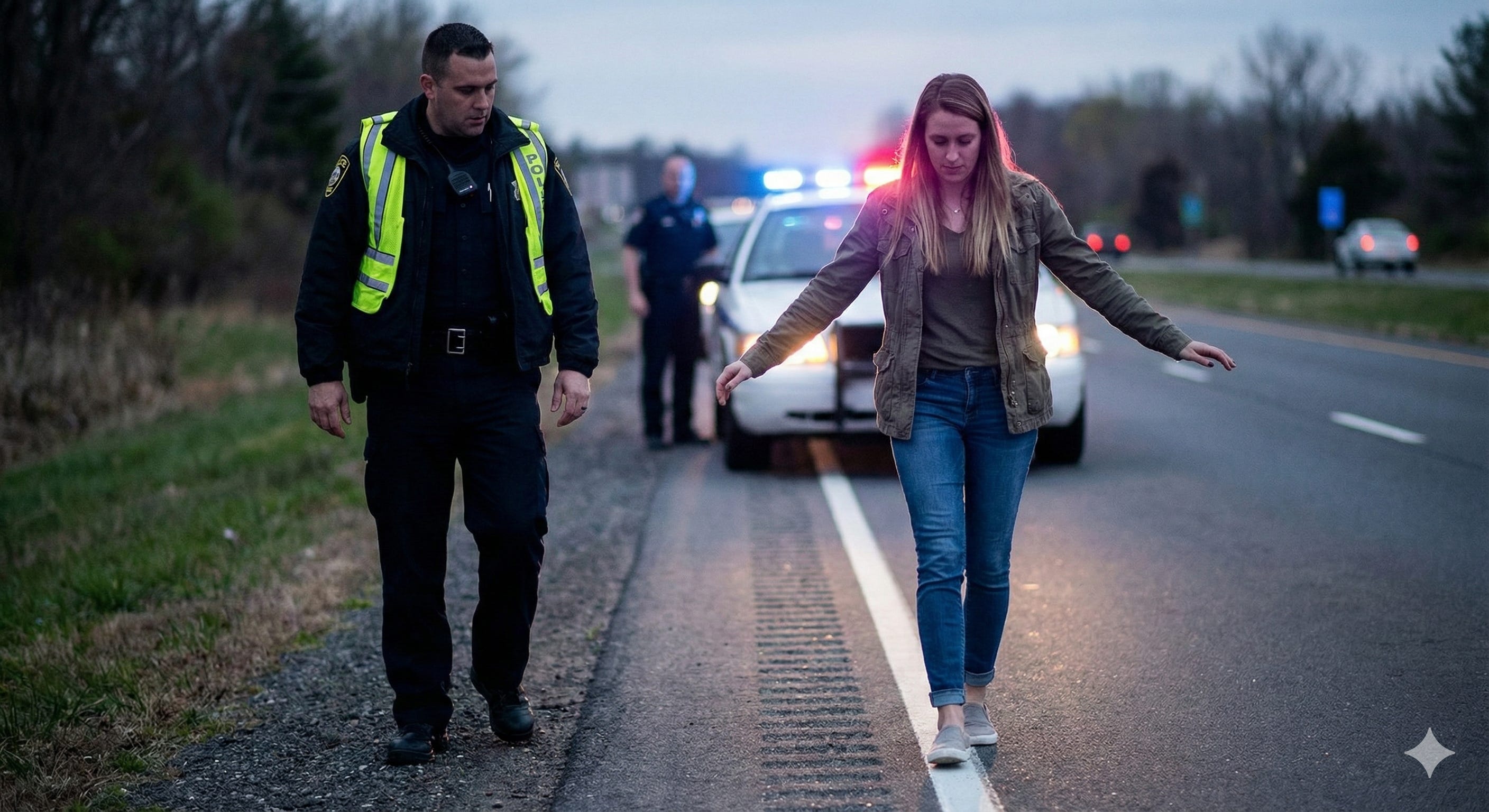
In DWI roadside checkpoints Texas investigations, roadside testing may involve:
- Walk-and-turn exercises
- One-leg stand evaluations
- Eye movement tests
These tests become part of the evidence later reviewed during criminal proceedings.
However:
- Performance may also be affected by stress, fatigue, weather, or nervousness
This creates frequent disputes over interpretation.
Analytical Perspective: Public Safety vs Individual Rights
From an analytical standpoint, DWI enforcement always involves balancing:
- Public safety concerns
against - Individual constitutional protections
Roadside checkpoint discussions often center on:
- How much government intrusion becomes acceptable to reduce impaired driving risks
In DWI roadside checkpoints Texas debates, this balance shapes enforcement policy heavily.
Why Drivers Often Feel Nervous During Stops
Even sober drivers often experience anxiety during roadside encounters with police.
Drivers may feel:
- Intimidated by flashing lights
- Nervous about questioning
- Uncertain about their rights
In DWI roadside checkpoints Texas situations, this nervousness may affect:
- Communication
- Physical coordination during roadside tests
This emotional factor often complicates investigations.
Common Misconceptions About Roadside Checkpoints
Several misconceptions exist.
Some believe:
- Texas uses checkpoints routinely across highways
- Police may search vehicles freely during any roadside stop
- Drivers have no constitutional protections during DWI enforcement operations
In reality:
- Texas enforcement often relies more heavily on observation-based patrols
- Constitutional protections still apply
- Officers generally need legal justification for further searches or detention
Understanding these points helps reduce confusion about roadside enforcement.
Long-Term Consequences of DWI Arrests
Regardless of how the stop begins, DWI allegations may affect:
- Criminal records
- Driver’s licenses
- Insurance rates
- Employment opportunities
In DWI roadside checkpoints Texas cases, the legal consequences often continue long after the roadside encounter itself.
This is why understanding roadside enforcement becomes so important.
Real-Life Scenario: A Simple Stop Escalates
Consider a driver in Fort Worth stopped after drifting slightly within a lane near a late-night entertainment area.
The driver initially expects:
- A warning or routine conversation
However, officers begin:
- Asking alcohol-related questions
- Conducting roadside evaluations
What started as a minor stop now becomes:
- A DWI investigation with potentially serious consequences
This example shows how quickly roadside encounters may escalate during DWI enforcement situations.
Practical Takeaways
To better understand DWI roadside checkpoints Texas issues:
- Recognize the difference between checkpoints and saturation patrols
- Understand that constitutional protections still apply during traffic stops
- Be aware that officers often rely heavily on roadside observations
- Understand how quickly ordinary traffic stops may evolve into DWI investigations
Each of these points helps drivers better understand how Texas approaches roadside DWI enforcement. Together, they create a clearer picture of the legal and practical realities surrounding traffic stops.
These insights help explain why roadside enforcement remains legally and practically complex. Constitutional concerns, public safety goals, and law enforcement procedures often overlap during these encounters. As a result, even routine stops may involve complicated legal questions later.

Conclusion
DWI roadside checkpoints Texas discussions reveal how complicated impaired-driving enforcement becomes when constitutional protections and public safety concerns intersect. Although Texas generally relies more heavily on saturation patrols and observation-based stops than traditional checkpoints, roadside DWI enforcement remains a major focus for law enforcement agencies throughout the state. This continued enforcement reflects ongoing concerns about alcohol-related crashes and roadway safety. It also explains why late-night traffic stops often receive heightened scrutiny.
By understanding how roadside operations work, why constitutional issues shape enforcement strategies, and how traffic stops may escalate into DWI investigations, drivers can better understand the legal realities surrounding impaired-driving enforcement in Texas. This awareness helps reduce confusion during roadside encounters with law enforcement. Over time, it also supports more informed decisions regarding driver rights and legal responsibilities.