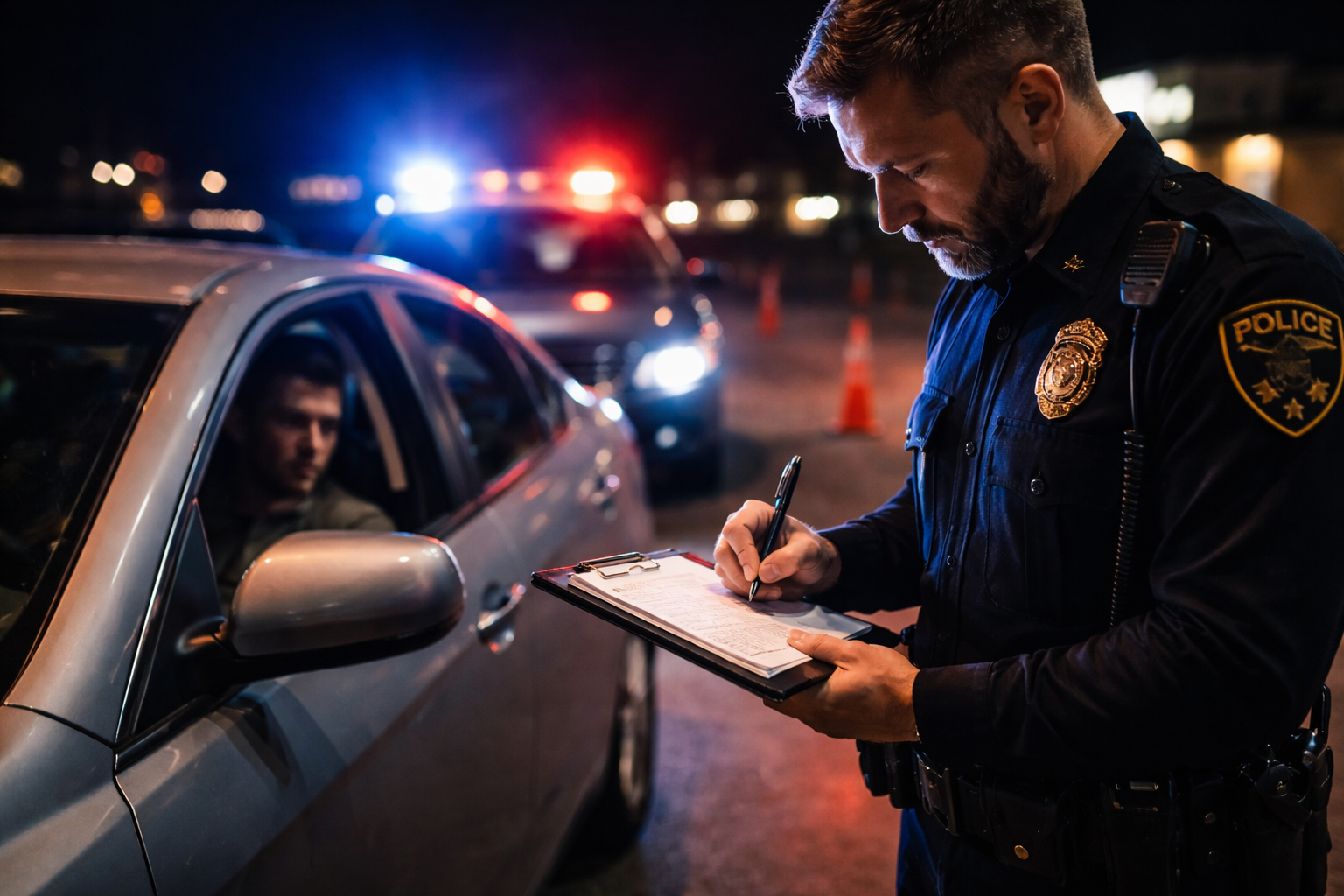
DWI police report errors can become an important issue in a criminal case because the police report often serves as one of the first detailed accounts of what happened during a traffic stop. Although many reports are carefully prepared, they are created by human beings working under time pressure, sometimes after late-night investigations involving multiple responsibilities. Like any document, mistakes can occur. Some errors may be minor and have little legal significance, while others may raise important questions about the accuracy of the investigation or the reliability of certain evidence.
Imagine a driver named Jason who is arrested after being stopped late one evening. Weeks later, his attorney reviews the police report and notices that the timeline doesn’t match the dashboard camera footage. The report states that field sobriety tests began five minutes after the stop, but the video shows a much longer delay. Other details, including the weather conditions and the driver’s statements, also appear inconsistent. These discrepancies do not automatically dismiss the case, but they become important issues requiring closer examination.
Situations like Jason’s explain why DWI police report errors receive significant attention during DWI defense preparation. Every criminal case depends on evidence, and when written reports conflict with recordings, witness testimony, or physical evidence, attorneys often analyze those inconsistencies carefully.
From an analytical perspective, identifying report errors is not about finding technicalities. Instead, it involves evaluating whether documented facts accurately reflect what actually occurred and whether any inaccuracies affect the legal issues before the court.
Understanding the Purpose of a Police Report
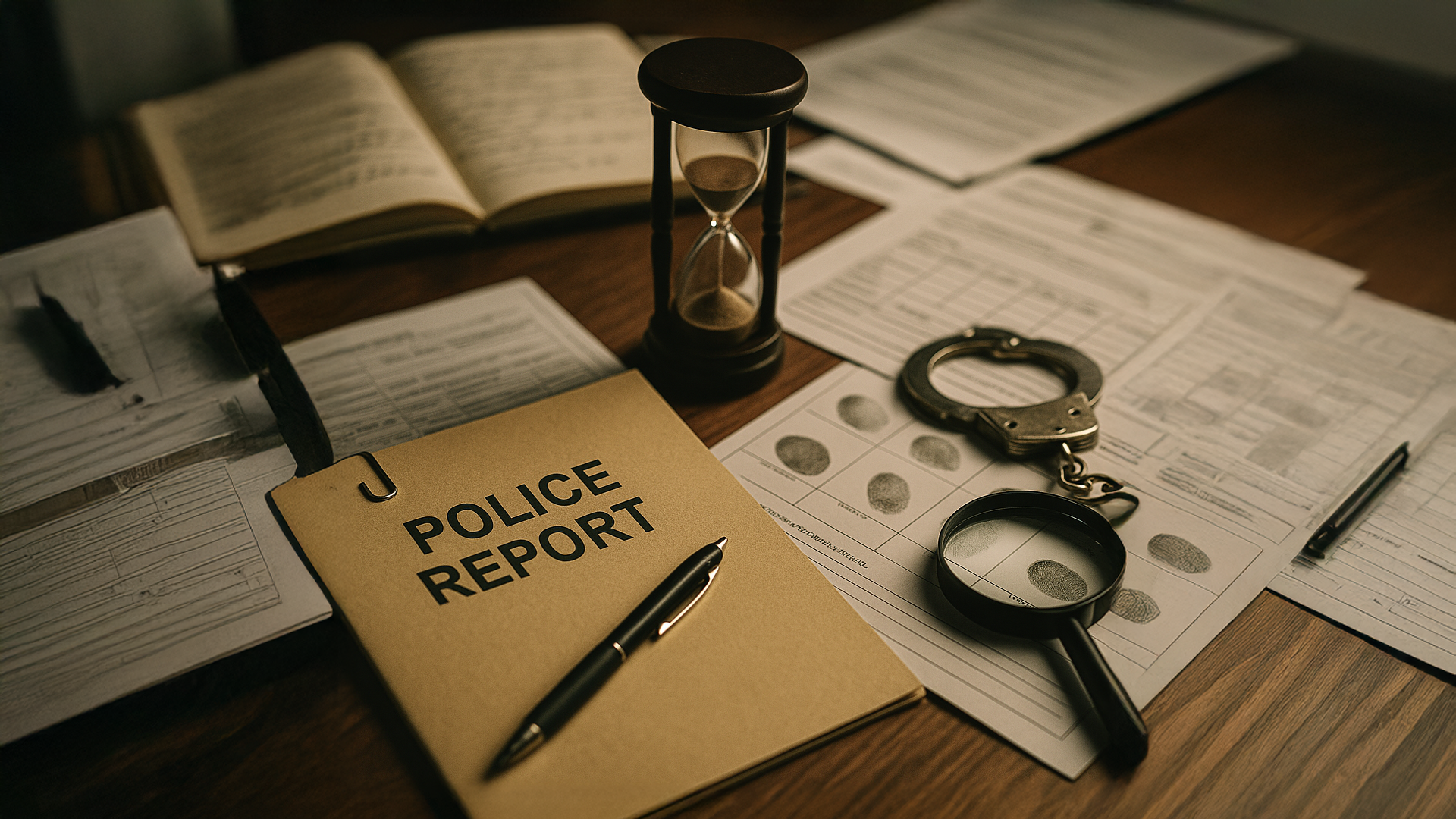
Before discussing DWI police report errors, it helps to understand why officers prepare these reports.
A police report generally summarizes the officer’s observations and investigative actions following a traffic stop. It may include information regarding:
- The reason for the stop
- Driver observations
- Statements made during the encounter
- Field sobriety testing
- Chemical testing
- Arrest procedures
- Evidence collected
- Witness information
Although the report becomes an important investigative document, it represents only one part of the evidence in a DWI case.
Courts often consider reports alongside body camera footage, dashboard camera recordings, laboratory results, witness testimony, and other relevant materials.
Why Accuracy Matters
Accurate reporting benefits everyone involved in the criminal justice system.
Investigators rely on reports to document events.
Prosecutors review them when evaluating charges.
Defense attorneys examine them while preparing legal arguments.
Judges and juries may hear testimony that references information contained within those reports.
Because so many decisions depend upon documented facts, even relatively small DWI police report errors sometimes deserve careful attention.
Not Every Error Changes a Case
It is important to distinguish between harmless mistakes and significant inconsistencies.
For example, a typographical error involving the spelling of a street name may have little impact on the legal issues presented.
By contrast, an incorrect description of:
- Driving behavior
- Test administration
- Timeline
- Statements allegedly made
- Physical observations
may require closer examination if the discrepancy affects important factual issues.
Every case depends on the nature of the error and its relationship to the remaining evidence.
Common Types of DWI Police Report Errors
Incorrect Dates and Times
Timeline issues appear more often than many people realize.
Reports prepared after lengthy shifts occasionally contain mistakes involving:
- Time of the stop
- Arrest time
- Test administration
- Arrival at the police station
- Release information
When other evidence such as body camera recordings or dispatch logs reflects a different sequence of events, attorneys may explore why those differences exist.
Not every timing discrepancy changes the outcome of a case, but accurate chronology remains an important part of every investigation.
Inconsistent Descriptions
Another category of DWI police report errors involves inconsistent factual descriptions.
Examples may include conflicting accounts regarding:
- Weather conditions
- Traffic volume
- Driver behavior
- Vehicle location
- Lighting conditions
- Roadway characteristics
These inconsistencies do not automatically establish that the report is unreliable, but they may become relevant when compared with photographs, videos, or witness testimony.
Statements Attributed to the Driver
Police reports often summarize conversations between officers and drivers.
Occasionally, disputes arise regarding:
- Whether a statement was actually made
- Whether the wording accurately reflects the conversation
- Whether important context was omitted
When recordings exist, they may help clarify what occurred during the encounter.
Reviewing these details carefully helps attorneys understand whether the written report accurately reflects the available evidence.
Field Sobriety Test Documentation
Field sobriety testing frequently receives significant attention in DWI cases.
Police reports may describe:
- Instructions provided
- Test performance
- Environmental conditions
- Officer observations
- Reasons for concluding impairment
Because these tests often involve detailed procedures, attorneys sometimes compare the written report with available video evidence to determine whether the documentation accurately reflects the investigation.
Real-Life Example
Consider a hypothetical driver named Maria.
An officer’s report states that Maria failed to follow instructions during a walk-and-turn test.
Later, body camera footage shows the officer beginning the demonstration while passing traffic created substantial background noise. The recording also reveals interruptions before the instructions were completed.
These observations do not automatically invalidate the report or determine the outcome of the case. However, they illustrate why DWI police report errors or inconsistencies may become subjects of closer legal review when documentary evidence and recorded evidence appear to differ.
Body Camera and Dashboard Camera Evidence
Modern technology has significantly changed DWI investigations.
Many traffic stops now involve:
- Body-worn cameras
- Dashboard cameras
- In-car audio systems
- Dispatch recordings
These recordings often provide additional context that supplements written reports.
Attorneys frequently review available recordings alongside police reports to identify whether the written narrative accurately reflects the events captured on video.
Witness Statements
Not every DWI investigation involves only the officer and the driver.
Passengers, bystanders, or other witnesses may provide information regarding:
- Driving behavior
- The traffic stop
- Conversations
- Physical observations
When witness accounts differ from the report, attorneys may examine whether those differences have legal significance.
As with every aspect of DWI police report errors, the importance depends on the specific facts of the case.
Why Small Details Sometimes Matter
Individual discrepancies may appear insignificant when viewed in isolation.
However, multiple inconsistencies concerning timelines, observations, procedures, or recorded evidence sometimes prompt a more comprehensive review of the investigation.
Rather than focusing on one isolated mistake, legal analysis often examines the report as a whole while comparing it to every available source of evidence.
That broader approach helps determine whether any inconsistencies meaningfully affect the issues presented in the case.
How Attorneys Review DWI Police Report Errors
One of the first steps in preparing a DWI defense is carefully reviewing every available document and comparing it with other evidence. Rather than accepting the police report at face value, defense attorneys often examine whether the written narrative accurately matches videos, photographs, dispatch records, laboratory reports, and witness statements.
This detailed review helps identify DWI police report errors that may deserve additional attention during the legal process. While many reports accurately document an investigation, careful comparison sometimes reveals inconsistencies that require further explanation.
Comparing the Report With Video Evidence
Body camera footage and dashboard camera recordings have become valuable investigative tools.
These recordings often provide an objective timeline that can be compared with the officer’s written observations. Attorneys may examine whether the report accurately reflects:
- The reason for the traffic stop
- The driver’s behavior
- Instructions given during field sobriety tests
- Statements made by the driver
- The overall sequence of events
When written descriptions differ from recorded evidence, attorneys may evaluate whether those differences affect important factual issues in the case.
Officer Testimony and Written Reports
A police report serves as a written summary of an investigation, but officers may also testify in court regarding their observations.
During testimony, attorneys sometimes compare the officer’s statements with the original report to determine whether important details remain consistent. Minor differences may simply reflect the passage of time, while more significant inconsistencies may become subjects of additional questioning.
The purpose is not to assume wrongdoing but to ensure that the evidence presented accurately reflects what occurred during the investigation.
Discovery Plays an Important Role
The discovery process allows both sides to review evidence before trial.
Depending on the case, discovery materials may include:
- Police reports
- Body camera footage
- Dashboard camera recordings
- Dispatch records
- Laboratory reports
- Maintenance records for testing equipment
- Witness statements
Reviewing these materials together often provides a more complete understanding of the investigation than relying on any single document alone.
Clerical Errors Versus Substantive Errors
Not every mistake carries the same legal significance.
Clerical errors generally involve administrative details such as:
- Misspelled names
- Incorrect zip codes
- Minor formatting issues
- Typographical mistakes
Substantive DWI police report errors, however, involve facts that may relate directly to the investigation itself.
Examples include:
- Incorrect observations
- Conflicting timelines
- Inaccurate descriptions of testing procedures
- Statements attributed to the wrong individual
Courts often distinguish between harmless clerical mistakes and factual discrepancies that may influence important legal issues.
Chemical Testing Documentation
When chemical testing plays a role in a DWI investigation, documentation becomes especially important.
Police reports may describe:
- When testing occurred
- The type of test administered
- Officer observations before testing
- Transportation to the testing location
- Chain of custody procedures
Attorneys sometimes compare these written descriptions with laboratory records and other evidence to ensure consistency throughout the investigation.
Real-Life Example
Consider a hypothetical driver named Emily.
The police report states that Emily admitted consuming several alcoholic beverages shortly before driving. Later, body camera footage reveals that her statement was less specific than the written summary suggests.
Rather than automatically determining the outcome of the case, this discrepancy becomes one factor attorneys evaluate alongside the remaining evidence. Emily’s situation illustrates how DWI police report errors sometimes involve interpretation rather than obvious factual mistakes.
Common Misunderstandings About DWI Police Report Errors
Several myths frequently create confusion.
“Every mistake causes the case to be dismissed.”
No.
Many report errors are minor and have little effect on the legal issues being decided.
“The police report is the only evidence.”
Not at all.
Courts typically consider multiple sources of evidence, including testimony, recordings, laboratory results, photographs, and other documentation.
“If one fact is incorrect, the entire report becomes invalid.”
Not necessarily.
Courts generally evaluate the importance of each inconsistency individually rather than rejecting an entire report because of one mistake.
“Officers cannot correct reports.”
Depending on applicable procedures, reports may sometimes be supplemented or corrected. Whether changes affect a particular case depends on the surrounding facts and applicable legal rules.
Why Context Matters
Evaluating DWI police report errors requires considering the complete investigation rather than focusing on isolated details.
A single inconsistency may have little practical significance when supported by other reliable evidence. On the other hand, several conflicting facts involving important aspects of the investigation may warrant closer examination.
Because every DWI case presents its own combination of evidence, recordings, witness testimony, and legal issues, careful analysis remains essential. Looking at the full context helps attorneys, prosecutors, and courts evaluate whether any reported discrepancies meaningfully affect the questions before the court.

Conclusion
DWI police report errors can play an important role in a DWI case, but their impact depends on the nature of the mistake and how it relates to the overall evidence. While minor clerical errors may have little legal significance, inconsistencies involving timelines, officer observations, field sobriety testing, or recorded statements may deserve closer examination. Courts evaluate these issues within the context of the entire investigation, considering police reports alongside body camera footage, dashboard camera recordings, witness testimony, laboratory results, and other available evidence.
From an analytical perspective, identifying DWI police report errors is not about finding technicalities—it is about ensuring that the facts presented in court accurately reflect what occurred during the investigation. Every DWI case is unique, and the significance of any reported error depends on its connection to the legal issues being decided. By carefully reviewing all available evidence, understanding the applicable legal standards, and seeking informed legal guidance when appropriate, individuals can better evaluate how police report inaccuracies may affect their case and make well-informed decisions throughout the legal process.