
DWI plea bargain Texas cases often raise one major question early in the legal process, and DWI plea bargain Texas negotiations can dramatically influence how a case is resolved. Many people imagine criminal cases ending only in two ways: dismissal or trial. In reality, a large number of DWI cases are resolved somewhere in between through negotiated agreements. These agreements are known as plea bargains. They can reduce uncertainty, shorten the legal process, and sometimes lessen penalties. However, they also involve important trade-offs that defendants must understand carefully.
Picture a driver in Houston sitting in court after a DWI arrest. They expected months of hearings and possibly a trial. Instead, their attorney begins discussing negotiations with the prosecutor. Suddenly, the focus shifts from “winning the case” to evaluating options. The conversation becomes more strategic: What evidence exists? What risks come with trial? What outcomes are realistically possible? That moment changes how the case is viewed. It also introduces the idea that resolution may come through negotiation rather than courtroom litigation.
That realization often surprises people. It changes their understanding of how criminal cases are resolved. It also introduces the idea that negotiation can sometimes provide a more predictable path.
Understanding DWI plea bargain Texas helps explain how plea agreements work, why they happen, and what factors influence whether they are offered. This awareness helps individuals evaluate their options more carefully. It also supports more informed decision-making during the legal process.
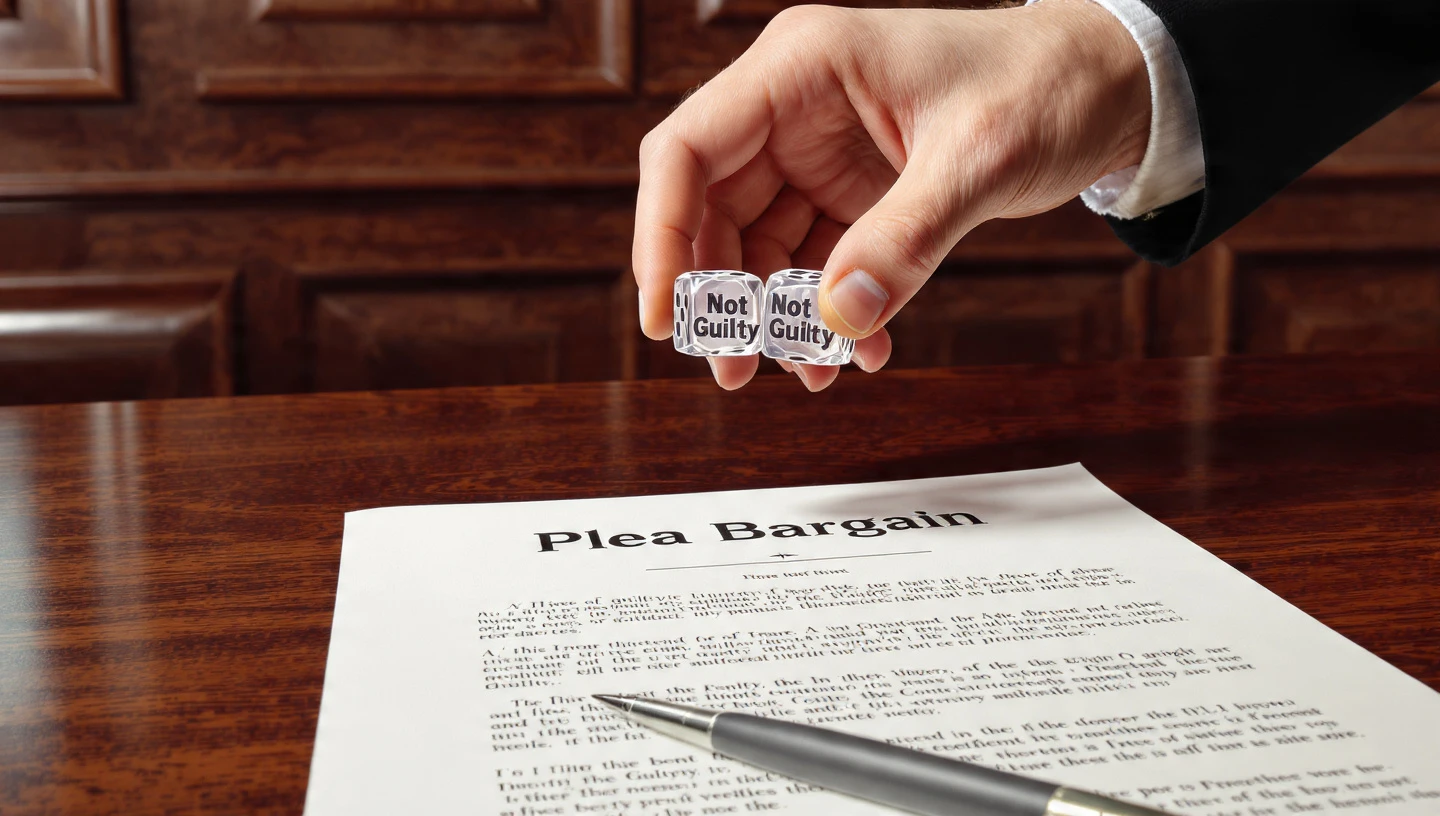
What a Plea Bargain Actually Is
A plea bargain is a negotiated agreement between the defense and the prosecution. Instead of proceeding to trial, the defendant agrees to resolve the case under specific terms. This agreement is designed to create certainty for both sides. It also allows the case to move forward without a full trial.
In DWI plea bargain Texas situations, this may involve:
- Pleading guilty to a reduced charge
- Accepting certain penalties in exchange for avoiding trial
- Resolving the case through negotiated conditions
Each agreement is unique. Together, these negotiations create flexibility within the criminal justice process. The exact terms often depend on the facts of the case. This variation is why no two plea agreements are exactly alike.
Each agreement is unique. Together, these negotiations create flexibility within the criminal justice process. This flexibility allows both sides to avoid some of the uncertainty of trial. It also creates room for compromise based on evidence and circumstances.
From an analytical standpoint, plea bargains are a form of risk management. Both sides evaluate uncertainty and negotiate outcomes accordingly. This process focuses heavily on predicting possible results at trial. It also explains why evidence plays such a central role in negotiations.
Why Plea Bargains Exist in DWI Cases
Plea bargains are common because trials require significant time and resources. Court schedules, witness availability, and evidence preparation all contribute to the complexity of trial proceedings. Negotiation often becomes a practical alternative.
For prosecutors:
- Trials involve witnesses, evidence presentation, and scheduling challenges
For defendants:
- Trials involve uncertainty, legal expenses, and the possibility of harsher penalties
In DWI plea bargain Texas cases, negotiations often happen because both sides want a more predictable outcome. Predictability helps reduce risk for everyone involved. It also allows cases to resolve more efficiently.
This does not mean every case qualifies for favorable negotiation. It simply means negotiation is a common part of the process. Some cases involve stronger evidence or more serious circumstances that limit flexibility. This is why plea outcomes can vary significantly from one case to another.
Real-Life Scenario: Negotiation Instead of Trial
Consider a case in Dallas.
A driver faces a first-time DWI charge. Evidence exists, but there are questions about:
- The traffic stop
- Field sobriety testing
- Timing of chemical testing
The defense and prosecution begin discussing possible resolutions.
Instead of proceeding directly to trial, they explore:
- Reduced penalties
- Alternative charges
- Probation terms
This is a typical DWI plea bargain Texas situation where uncertainty encourages negotiation.
Factors That Influence Plea Bargain Discussions
Not all DWI cases are treated the same.
In DWI plea bargain Texas situations, prosecutors may consider:
- Prior criminal history
- Blood alcohol concentration levels
- Presence of accidents or injuries
- Strength of the evidence
Each factor affects negotiation possibilities.
For example:
- A first offense may allow more flexibility
- A case involving injuries may lead to stricter terms

These details shape the overall negotiation process.
The Role of Evidence in Plea Negotiations
Evidence heavily influences bargaining power.
Strong evidence may encourage prosecutors to seek tougher outcomes. Weaknesses in the case may create more room for negotiation.
In DWI plea bargain Texas cases, evidence may include:
- Breath or blood test results
- Officer observations
- Video footage
- Witness statements
Each piece of evidence affects how both sides evaluate risk.
This evaluation often determines whether negotiation becomes realistic.
Real-Life Style Example: Evidence Changes Leverage
Imagine a case in Austin.
A driver is charged with DWI, but dashboard camera footage raises questions about the traffic stop. The defense argues that some procedures were not followed correctly.
As a result:
- Prosecutors reconsider trial risk
- Negotiations become more flexible
This example shows how DWI plea bargain Texas outcomes often depend on the strength and reliability of evidence.
Common Types of Plea Bargains
Plea agreements can take several forms.
In DWI plea bargain Texas cases, negotiations may involve:
- Reduced charges
- Reduced penalties
- Alternative sentencing arrangements
For example:
- Shorter probation periods
- Lower fines
- Additional educational programs instead of harsher penalties
The exact terms vary depending on the case.
The Difference Between a Reduction and a Dismissal
One of the biggest misunderstandings involves the difference between:
- Reduced charges
- Full dismissal
A plea bargain does not necessarily erase the case.
In DWI plea bargain Texas situations:
- A reduction may still result in a criminal record
- Certain consequences may still apply
This distinction is important when evaluating long-term effects.
Analytical Perspective: Certainty vs Risk
From an analytical standpoint, plea bargains balance certainty against risk.
Defendants may choose negotiation because:
- Trials are unpredictable
- Convictions after trial can carry harsher penalties
Prosecutors may negotiate because:
- Evidence may not guarantee conviction
- Resolution saves time and resources
In DWI plea bargain Texas cases, this balance drives the process.
Emotional Impact of Plea Decisions
Negotiating a plea bargain can be emotionally difficult.
Individuals may feel:
- Relieved to avoid trial
- Frustrated by compromise
- Uncertain about long-term consequences

These reactions are common.
Understanding the process helps create perspective during decision-making.
Long-Term Consequences of Plea Agreements
Even negotiated outcomes can carry long-term effects. Resolving a case through negotiation does not necessarily remove every consequence tied to the charge. In many situations, the effects continue long after the court process ends.
These may include:
- Criminal records
- Insurance increases
- Employment concerns
Each of these consequences can affect different parts of a person’s life. Together, they highlight why plea decisions must be considered carefully.
In DWI plea bargain Texas situations, accepting a plea agreement may resolve the immediate case while still affecting future opportunities. A negotiated outcome can reduce uncertainty while still creating lasting consequences. This balance is one of the most important parts of the decision-making process.
This is why long-term consequences must be considered carefully. Immediate relief may not always align with future goals. In many cases, evaluating future impact becomes just as important as resolving the current case.
Common Misconceptions About Plea Bargains
Several misconceptions exist.
Some believe:
- Plea bargains always mean weakness in the case
- Negotiated outcomes erase consequences
- Every DWI case receives a bargain offer
In reality:
- Negotiations depend on evidence and circumstances
- Consequences often remain
- Not all cases receive the same opportunities
Understanding these points helps create more realistic expectations.
The Importance of Timing in Negotiations
Timing can affect plea discussions significantly.
Negotiations may change as:
- Evidence is reviewed
- Motions are filed
- New information emerges
In DWI plea bargain Texas cases, early negotiations may differ from later ones.
This evolving process explains why strategy matters throughout the case.
Real-Life Scenario: A Changing Negotiation
Consider a case in Fort Worth.
Initially, prosecutors offer strict terms. Later, after additional evidence review, concerns emerge about the reliability of testing procedures.
The negotiation changes:
- Alternative outcomes are discussed
- Penalties become more flexible
This example shows how DWI plea bargain Texas discussions can evolve over time.
Practical Takeaways
To understand plea bargains more effectively:
- Evaluate both immediate and long-term consequences
- Understand that negotiation depends on evidence strength
- Recognize that plea agreements involve trade-offs

Each of these points helps create a more balanced understanding of the process. Together, they support more informed decision-making during negotiations.
These insights help create a clearer perspective on the process. They also help individuals avoid focusing only on short-term outcomes. In many cases, long-term consequences become just as important as immediate penalties.
Conclusion
DWI plea bargain Texas cases demonstrate that many DWI charges are resolved through negotiation rather than trial. While plea bargains can reduce uncertainty and sometimes lessen penalties, they also involve important legal and long-term considerations. These considerations may continue affecting employment, finances, and personal opportunities long after the case ends. This is why plea agreements require careful evaluation rather than quick decisions.
By understanding how negotiations work, what factors influence outcomes, and how evidence shapes bargaining power, individuals can approach plea discussions with greater awareness and make more informed decisions about their case. This awareness helps reduce confusion during the legal process. Over time, it also supports more thoughtful and strategic choices.