
DUI stop based on anonymous tip Texas cases raise one of the most debated questions in criminal law: can police legally pull someone over for suspected intoxicated driving if the only information they have comes from an unidentified caller? In Texas, the answer is complicated. A DUI stop based on anonymous tip Texas situations often sits at the intersection of public safety concerns and constitutional protections against unreasonable searches and seizures.
Picture a scenario that happens more often than people realize. A driver calls 911 and reports that a pickup truck ahead of them is swerving across lanes on a Texas highway. The caller gives the dispatcher a vehicle description, a license plate number, and the location. The caller then hangs up and does not identify themselves. A patrol officer receives the dispatch message, spots the truck, and pulls it over. Minutes later, the driver is arrested for driving while intoxicated.
But here’s the key question: was the stop legal if the officer never personally saw bad driving?
This is exactly the legal issue that courts examine in DUI stop based on anonymous tip Texas cases. Understanding how courts evaluate these situations requires a closer look at constitutional law, police procedures, and the role of anonymous information in criminal investigations.

The Constitutional Framework Behind DUI Stop Based on Anonymous Tip Texas Cases
Any traffic stop by law enforcement triggers Fourth Amendment protections. The United States Constitution protects individuals from unreasonable searches and seizures. A traffic stop counts as a seizure under constitutional law.
Because of that, police officers generally need reasonable suspicion to stop a vehicle. Reasonable suspicion means the officer must have specific and articulable facts suggesting that a crime is occurring.
In many DUI stop based on anonymous tip Texas cases, the officer did not observe the suspected behavior personally. Instead, the stop is based entirely—or mostly—on information from a caller.
This raises an important legal question: can an anonymous tip create reasonable suspicion?
Courts have wrestled with this issue for decades.
Why Anonymous Tips Present Legal Challenges
Anonymous tips create unique legal problems because the identity of the source is unknown. When someone reports a crime but refuses to identify themselves, law enforcement cannot easily evaluate the credibility of that source.
If police relied on every anonymous accusation without verification, it could open the door to abuse. Anyone could falsely accuse another driver out of anger or retaliation.
Because of this concern, courts evaluating DUI stop based on anonymous tip Texas situations often look for independent verification of the tip before allowing the stop to stand.
That verification might include:
- Observing suspicious driving behavior
- Confirming details provided by the caller
- Seeing conduct consistent with intoxication
However, drunk driving cases introduce an additional public safety factor that courts consider carefully.
The Public Safety Factor in DUI Investigations
Driving while intoxicated presents immediate danger to the public. A single impaired driver can cause catastrophic accidents within minutes.
Because of this risk, courts sometimes allow police more flexibility when evaluating DUI stop based on anonymous tip Texas cases compared to other types of crime reports.
If an anonymous caller describes dangerous driving in real time, courts may consider that tip more reliable than a generic accusation.
For example, if a caller reports:
- A car swerving across lanes
- A vehicle nearly hitting other drivers
- A driver driving onto the shoulder repeatedly
Those details suggest ongoing dangerous behavior.
In such situations, officers may have stronger legal justification to intervene quickly.
A Landmark Supreme Court Case
One of the most influential decisions affecting DUI stop based on anonymous tip Texas cases comes from the U.S. Supreme Court.
In Navarette v. California (2014), an anonymous caller reported that a truck had run her off the road. Officers located the vehicle and stopped it without observing independent traffic violations.
During the stop, officers discovered marijuana and arrested the driver.
The Supreme Court ruled that the stop was valid. The Court reasoned that the caller’s report described dangerous driving, which created reasonable suspicion.
Although the case involved California law enforcement, its constitutional analysis applies nationwide—including Texas.
The decision significantly shaped how courts evaluate DUI stop based on anonymous tip Texas claims.

Texas Courts and Anonymous DUI Tips
Texas courts apply both federal constitutional law and state precedent when evaluating traffic stops.
In many DUI stop based on anonymous tip Texas cases, judges examine several factors:
- Whether the caller described specific dangerous behavior
- Whether the officer confirmed vehicle details
- Whether the tip was reported through the 911 system
- Whether the report appeared contemporaneous with the incident
911 calls often carry more credibility because phone systems can record numbers, locations, and timestamps.
Even if the caller does not identify themselves, the traceability of a 911 call can strengthen the reliability of the report.
Real-World Example of a DUI Stop Based on Anonymous Tip Texas
Imagine a scenario on Interstate 35 near Waco.
A motorist calls 911 and reports a white sedan drifting across the center line repeatedly. The caller provides the vehicle’s license plate and direction of travel.
A state trooper receives the dispatch alert and spots the car within minutes. The officer follows briefly but does not immediately see erratic driving.
Still, based on the detailed anonymous report, the trooper initiates a traffic stop.
During the stop, the driver exhibits slurred speech and the smell of alcohol. Field sobriety tests lead to a DWI arrest.
In court, the defense argues that the stop was unconstitutional because the officer did not personally witness a traffic violation.
The prosecution responds that the anonymous tip described dangerous driving and included verifiable details.
This type of scenario frequently appears in DUI stop based on anonymous tip Texas litigation.
How Defense Attorneys Challenge Anonymous Tip Stops
Defense attorneys often scrutinize DUI stop based on anonymous tip Texas cases carefully. Their goal is to determine whether the stop violated constitutional standards.
Several common defense arguments may arise.
Lack of independent observation
If the officer never observed suspicious driving, the defense may argue the stop relied entirely on an unverified tip.
Vague caller information
If the tip lacked specific details, the defense may claim the information was too unreliable.
Delay between tip and stop
If significant time passed between the report and the stop, the defense may question whether the suspected behavior was still occurring.
When these issues arise, courts must analyze whether the officer truly had reasonable suspicion.
The Role of 911 Systems in Anonymous Tip Reliability
Modern emergency call systems record valuable metadata.
This includes:
- Time of the call
- Location of the caller
- Phone number
- Recorded audio
Because of these features, courts sometimes view 911 tips as more reliable than completely anonymous phone calls.
In DUI stop based on anonymous tip Texas cases, prosecutors often emphasize that the tip came through the 911 system.
The reasoning is simple: callers know that emergency calls can be traced, which discourages false reporting.
When Anonymous Tips Are Not Enough
Not every anonymous report justifies a traffic stop.
If a caller simply says, “I think that driver might be drunk,” without describing any specific behavior, the tip may be considered unreliable.
Courts generally require some factual basis supporting the suspicion.
For instance, reports that include specific observations—such as lane drifting or nearly causing collisions—carry more weight than vague suspicions.
Police Observation After the Tip
In many DUI stop based on anonymous tip Texas cases, officers attempt to observe the vehicle before initiating the stop.
If they witness:
- lane drifting
- speeding
- erratic braking
those observations strengthen the legal justification.
Even minor traffic violations can provide independent reasonable suspicion.
Because of this, officers often follow a vehicle briefly to confirm suspicious behavior before activating emergency lights.

The Balance Between Safety and Rights
At the heart of DUI stop based on anonymous tip Texas law is a balance between two priorities.
One priority is public safety. Intoxicated drivers pose immediate danger to others on the road.
The other priority is constitutional protection. Citizens have the right to be free from arbitrary police stops.
Courts attempt to strike a balance between these competing concerns.
How Evidence From an Illegal Stop Can Be Suppressed
If a court determines that a DUI stop based on anonymous tip Texas lacked reasonable suspicion, the consequences can be significant.
Evidence obtained after the stop may be suppressed under the exclusionary rule.
This means prosecutors may lose critical evidence such as:
- breath test results
- officer observations
- field sobriety test results
Without that evidence, the prosecution may struggle to prove intoxication beyond a reasonable doubt.
The Analytical Perspective on Anonymous DUI Tips
From an analytical perspective, DUI stop based on anonymous tip Texas cases highlight how modern policing relies increasingly on citizen reports.
Technology allows drivers to call emergency dispatchers instantly when they observe dangerous behavior.
These calls can prevent accidents and potentially save lives.
At the same time, constitutional safeguards require that police exercise caution before interfering with a person’s liberty.
The legal standards surrounding anonymous tips attempt to ensure that both public safety and civil liberties remain protected.
Practical Advice for Drivers
If you are stopped by police after an anonymous tip, it is important to remain calm and respectful.
Drivers should remember that traffic stops can escalate quickly if emotions run high.
At the same time, individuals have the right to challenge the legality of the stop later through the court system.
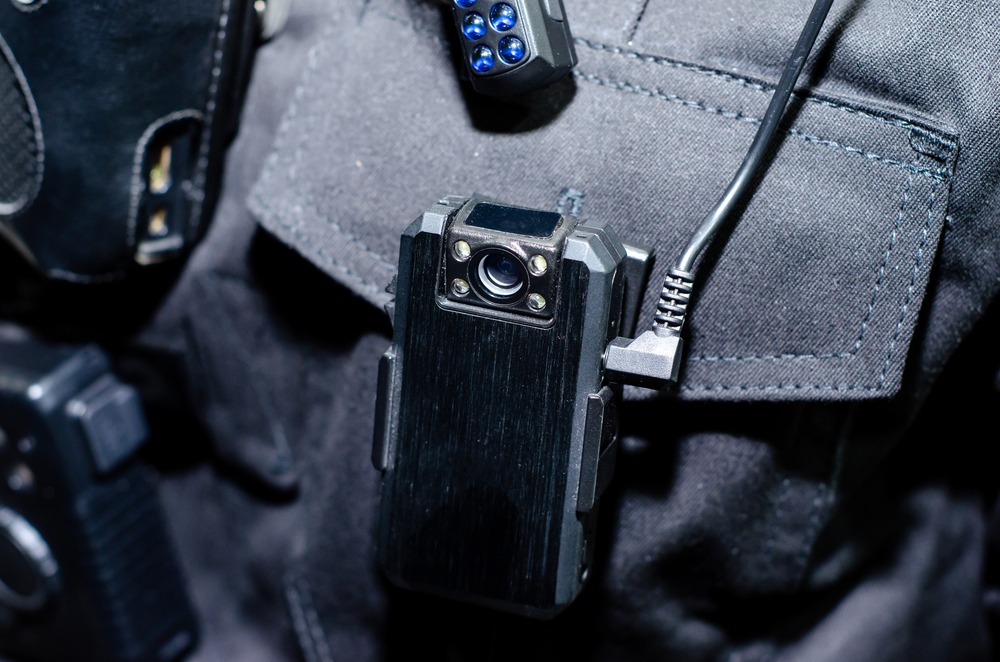
Attorneys may review body camera footage, dispatch records, and 911 call recordings to determine whether the stop met legal requirements.
Conclusion
DUI stop based on anonymous tip Texas cases illustrate the delicate balance between preventing drunk driving and protecting constitutional rights. While anonymous reports can justify traffic stops in certain situations, courts carefully examine whether the tip provided reliable information and whether officers had reasonable suspicion.
As technology and reporting systems continue to evolve, anonymous tips will likely remain an important tool for law enforcement. However, the legal principles governing these stops will continue to ensure that public safety efforts do not override fundamental constitutional protections.