 Skip to content
If you’ve been arrested for a DUI in Texas, one of the first questions on your mind might be: “When can I start negotiating a plea deal?” It’s a valid concern—and one that can drastically affect the direction of your case. DUI plea negotiation timing in Texas is not just about when talks begin; it’s about how and why they start at specific stages of the legal process. Understanding the timing of these negotiations could be the difference between jail time and a reduced sentence—or even a dismissal.
In this detailed guide, we’ll unpack DUI plea negotiation timing in Texas, using real-world examples, courtroom insights, and a practical breakdown of how negotiations work behind the scenes. Whether you’re a first-time offender or facing a second charge, understanding this process is essential to making smart, informed decisions from day one.

What Is a Plea Deal?
The Basics Before the Clock Starts
Before we jump into DUI plea negotiation timing in Texas, it’s important to clarify what a plea deal actually is. A plea bargain is an agreement between the prosecution and the defense where the defendant agrees to plead guilty or no contest—usually in exchange for reduced charges, lighter sentencing, or other legal concessions.
There are typically three types of plea deals:
- Charge Bargaining: Reducing a DUI to a lesser offense like reckless driving.
- Sentence Bargaining: The defendant pleads guilty, but for a lighter sentence.
- Fact Bargaining: An agreement to stipulate certain facts, avoiding the need to prove them in court.
Timing is everything in a plea deal—especially inDUI cases, where evidence like BAC results, dashcam footage, and arrest procedures play a big role.
When Do DUI Plea Negotiations Start in Texas?
Spoiler: They Can Start Early—But Not Always Wisely
The answer to the core question—when do plea negotiations begin?—varies based on the case, the jurisdiction, and the strength of the evidence. In Texas, DUI plea negotiation timing typically starts at one of the following phases:
- Immediately after charges are filed
- During pre-trial conferences
- After key motions or evidence hearings
- Right before or even during trial
Let’s break these down so you understand why plea talks start when they do—and what factors influence their timing.
Early Plea Offers: The Prosecutor’s First Move
Fast Deals Aren’t Always the Best Deals
In some counties, prosecutors will offer a quick plea deal soon after arraignment—often at the first pretrial conference. This can be tempting, especially if you’re anxious to resolve your case and move on.
But here’s the catch: early DUI plea negotiation timing in Texas may not be in your favor if you haven’t had time to review the evidence. Accepting a deal before your attorney has requested discovery or reviewed your BAC results, police report, or dashcam footage could mean pleading guilty without understanding your best defense.
Example: In Tarrant County, a 28-year-old man was arrested for DUI after swerving lanes. He was offered a deal to plead to Class B misdemeanor DUI and serve three days in jail. His attorney requested evidence and discovered the breathalyzer was improperly calibrated. That mistake led to a full dismissal, proving that rushing into a plea deal can cost you more than it saves.
The Discovery Phase: Where Negotiations Really Begin
Information = Leverage
Smart defense attorneys often wait until the discovery process is underway before engaging in serious plea negotiations. Discovery is when your legal team gains access to the state’s evidence, such as:
- Officer bodycam and dashcam footage
- Field sobriety test results
- Breathalyzer or blood test data
- Police reports and witness statements
- Chain of custody for chemical evidence

Once your attorney has this material, they can assess the strength of the prosecution’s case—and use any weak points as bargaining chips.
This makes DUI plea negotiation timing in Texas highly dependent on how quickly evidence becomes available and how damning—or flawed—it turns out to be.
Motion Hearings: Turning Points for Negotiation
Suppressing Evidence Can Change Everything
Motion hearings—where attorneys argue for or against the inclusion of certain evidence—are often a key strategic moment in DUI cases.
If a judge agrees to suppress crucial evidence (like an illegally obtained blood test), the prosecution’s case can unravel. That’s when prosecutors often become more open to negotiating.
Case in Point: A defense attorney in Austin filed a motion to suppress a blood test that was performed without a warrant. The motion succeeded, and the prosecution—suddenly without strong evidence—offered a plea to a non-DUI traffic violation.
This turning point showcases how DUI plea negotiation timing in Texas can be reactive. The prosecution adjusts based on the outcome of pre-trial battles.
Strategic Delays: Why Defense Attorneys Sometimes Wait
Delaying Isn’t Denial—It’s Tactics
Not all delay is bad. In many DUI cases, defense attorneys purposely wait to engage in plea discussions until they’ve had time to gather their own evidence, speak with expert witnesses, or review laboratory procedures related to blood or breath tests.
Other strategic reasons to delay include:
- Waiting for a more favorable judge
- Allowing time for a forensic expert to re-test blood samples
- Negotiating from a position of strength, not panic
- Allowing emotions or media coverage surrounding the case to cool off
DUI plea negotiation timing in Texas is a legal chess game—not a sprint. Patience often leads to better deals.
How Prior Offenses Affect Plea Timing
Second or Third Offense? Timing Becomes Tricky
If you’re facing a second or third DUI charge, the stakes are much higher—and so are the complications with plea negotiations. Prosecutors are less likely to offer leniency and more likely to wait for sentencing enhancements.
Still, timing matters. An early plea deal in a repeat offense case might offer a smaller jail term or avoid felony charges, but only if the defense can move quickly and convince the prosecutor of mitigating circumstances.
Example: In Houston, a woman facing her second DUI avoided a felony conviction by entering a pretrial diversion program that was only available within the first 30 days of her arraignment. Her attorney acted fast, and it made all the difference.
In repeat cases, DUI plea negotiation timing in Texas isn’t just important—it can be critical to your freedom.

The Role of the Prosecutor and the Court
Negotiation Style Varies by County
One often-overlooked factor in plea timing is the prosecutor’s personality and the court’s policy. Some counties in Texas encourage early resolution and offer set deals within the first 60 days. Others take a more aggressive stance and only consider pleas after preliminary hearings.
This means your plea negotiation timeline could depend on where you were arrested.
Tip: An experienced local DUI attorney knows which courts are plea-friendly and which ones lean toward trial. That insight can shape your entire legal strategy.
Can You Negotiate a Plea During Trial?
Sometimes, the Clock Keeps Ticking
Yes, it’s possible to negotiate a plea deal even during trial. This often happens when the prosecution sees their case weakening or when key witnesses fail to appear. In some cases, jurors may be dismissed mid-trial if both sides agree to a last-minute plea.
However, waiting this long is risky. If negotiations fall through, you could face a full trial without a safety net.
That’s why the timing of DUI plea negotiations in Texas should always be coordinated with careful legal planning—not last-minute desperation.
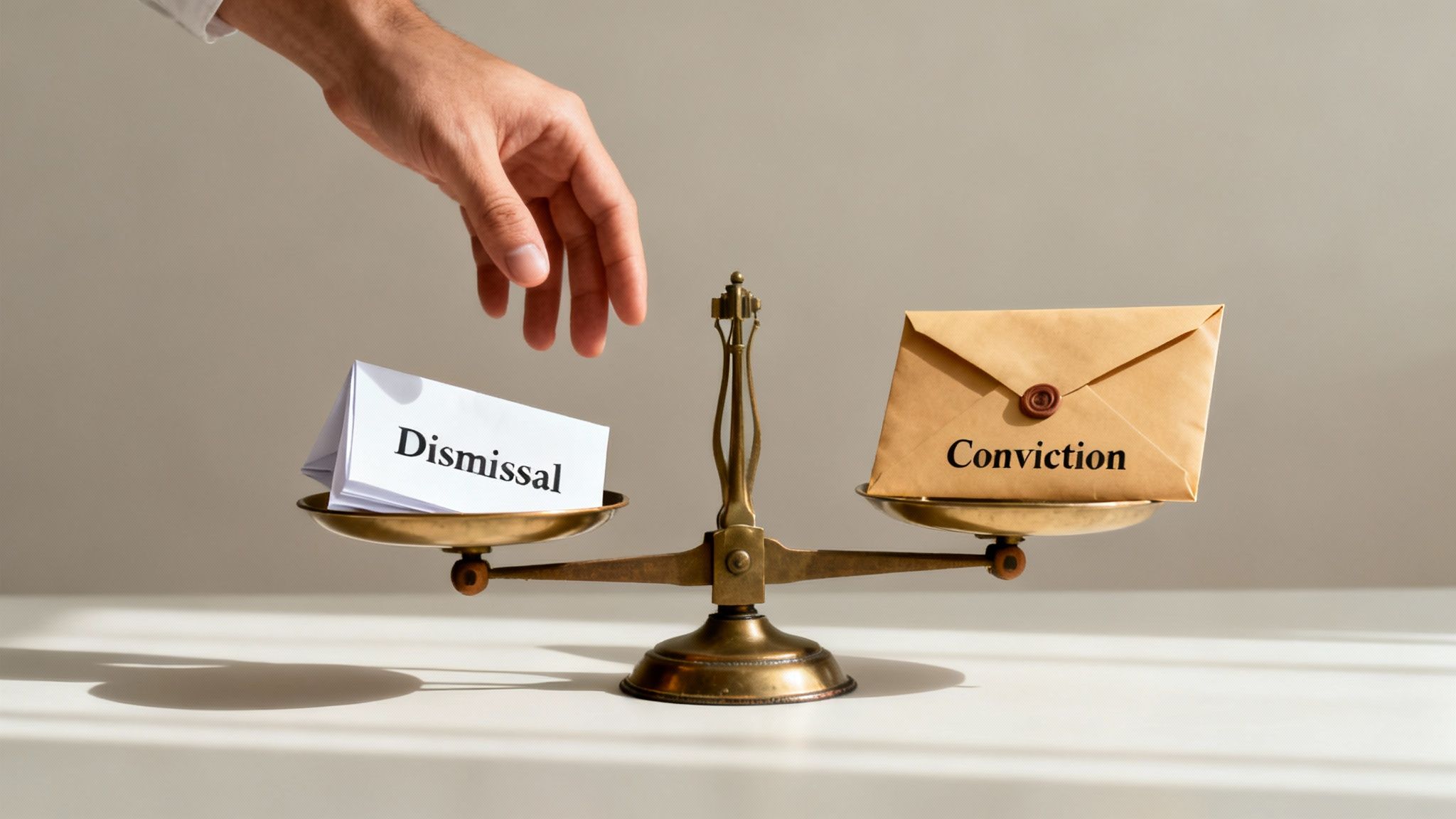
Pros and Cons of Early vs. Late Plea Negotiations
Timing Isn’t Just Strategy—It’s Outcome
Let’s compare the potential benefits and downsides of early versus late plea bargaining:
Early Plea Pros:
- Faster resolution
- Less legal cost
- Reduced stress
Early Plea Cons:
- Less time to review evidence
- Potentially worse deal
- No leverage
Late Plea Pros:
- More discovery opportunities
- Stronger bargaining position
- Chance for case dismissal
Late Plea Cons:
- More legal fees
- Increased uncertainty
- Risk of losing favorable offers
Balancing these factors is a critical part of managing your DUI plea negotiation timing in Texas.
Real-Life Example: Alex’s Close Call
Alex was arrested for DUI in Travis County after crashing his car into a pole. He refused a breath test, and the prosecution seemed determined to throw the book at him. But Alex’s attorney didn’t rush into a plea.
Instead, they waited for toxicology results, requested dashcam footage, and discovered that the arresting officer failed to follow protocol. Just days before trial, the prosecutor offered to drop the DUI charge in exchange for a no-contest plea to reckless driving.
Alex accepted—and avoided a criminalDUI conviction.
His story shows that smart timing, patience, and legal insight can change the entire outcome.
Final Thoughts on DUI Plea Negotiation Timing in Texas
There’s no one-size-fits-all answer to when you should negotiate a DUI plea. Each case has its own facts, timeline, and personalities. But if there’s one lesson to take away, it’s this: DUI plea negotiation timing in Texas is as important as the plea itself.
Moving too fast could leave you locked into a bad deal. Waiting too long could cost you the best opportunity. That’s why your defense strategy must include both legal skill and timing awareness.
The bottom line? You need an experienced DUI attorney who understands the landscape—someone who knows when to push, when to pause, and when to deal.
Because in DUI defense, timing isn’t everything… it’s everything and then some.

