Home » Blog » How Marijuana Impairment DUI Cases Are Prosecuted
DUI marijuana charges Texas have become an increasingly discussed topic as questions surrounding cannabis use, impaired driving laws, and criminal investigations continue to evolve. Many drivers mistakenly believe that marijuana-related driving cases are handled the same way as alcohol-related cases. In reality, Texas prosecutors often rely on a different combination of evidence because marijuana impairment is not typically measured in the same manner as alcohol concentration. Understanding how these cases are investigated and prosecuted helps explain why every case requires careful legal and factual analysis.
Imagine a driver named Chris who is stopped after an officer observes a vehicle drifting between lanes late at night. During the traffic stop, the officer notices signs that prompt further investigation. Chris insists he has not consumed alcohol, but the investigation continues based on other observations. Weeks later, he learns that the prosecution intends to rely on officer observations, field sobriety testing, and laboratory evidence as part of the case. Like many people, Chris begins researching DUI marijuana charges Texas to better understand how these investigations work.
Situations like Chris’s illustrate why marijuana-related driving prosecutions often involve a combination of observational, scientific, and procedural evidence rather than relying on a single factor.
Note: For adult impaired driving offenses, Texas law generally uses the term Driving While Intoxicated (DWI) rather than DUI. This article uses the search phrase “DUI marijuana charges Texas” because many readers search using that terminology while discussing the Texas legal framework.
Understanding DUI Marijuana Charges Texas
The phrase DUI marijuana charges Texas generally refers to criminal proceedings involving allegations that a driver operated a motor vehicle while impaired by marijuana or another substance in violation of applicable Texas law.
Unlike alcohol-related investigations that often involve breath testing, marijuana impairment cases may rely on a broader combination of evidence.
Investigators may consider:
Driving behavior
Officer observations
Field sobriety testing
Statements made during the investigation
Chemical testing where applicable
Other legally obtained evidence
No single factor automatically determines the outcome of a case.
Why Marijuana Cases Differ From Alcohol Cases
Many people assume marijuana impairment can be measured exactly like alcohol intoxication.
Texas investigations often differ because marijuana affects individuals differently, and the evidence used during prosecution may involve multiple forms of proof rather than focusing on one numerical measurement.
As a result, DUI marijuana charges Texas frequently involve careful evaluation of the totality of the circumstances rather than one isolated piece of evidence.
The Traffic Stop Comes First
Every impaired driving investigation generally begins with the traffic stop itself.
Law enforcement officers must first observe circumstances that justify initiating the stop under applicable law.
Examples may include:
Traffic violations
Erratic driving
Equipment violations
Other lawful reasons for initiating the stop
Only after the stop begins does the investigation continue based on the officer’s observations and other available evidence.
Officer Observations
Officer observations often become an important part of marijuana-related driving investigations.
Depending on the circumstances, officers may document observations regarding:
Driving behavior
Physical appearance
Coordination
Speech
Responses to questions
Other observations made during the investigation
These observations become part of the broader evidentiary record considered throughout the criminal case.
Field Sobriety Testing
Field sobriety tests are commonly used during many impaired driving investigations.
These standardized tests are designed to assist officers in evaluating certain physical and cognitive indicators under established procedures.
In DUI marijuana charges Texas, field sobriety testing often represents one component of the investigation rather than the sole basis for prosecution.
Courts evaluate these tests together with the remaining evidence presented in the case.
Chemical Testing
Depending on the facts and applicable legal procedures, chemical testing may also become relevant.
Investigations may involve legally authorized testing procedures when appropriate under Texas law.
Chemical testing represents only one part of the overall investigation.
The court generally considers laboratory results together with officer observations, witness testimony, video evidence, and other admissible materials.
Real-Life Example
Imagine a hypothetical driver named Emily.
An officer stops Emily after observing unusual driving behavior during evening traffic.
During the investigation, additional observations lead the officer to continue evaluating possible impairment.
As the case develops, prosecutors review body camera footage, field sobriety testing, witness statements, and laboratory evidence before determining how to proceed.
Emily’s experience demonstrates why DUI marijuana charges Texas often involve multiple sources of evidence rather than relying exclusively on one investigative tool.
Body Camera and Dashboard Camera Evidence
Modern technology plays an increasingly important role in impaired driving investigations.
Video recordings may document:
Initial driving observations
The traffic stop
Conversations
Field sobriety testing
Officer instructions
Driver responses
Attorneys often review these recordings alongside written reports when preparing the case.
Video evidence may provide additional context regarding events described in police reports or witness testimony.
Witness Testimony
Witnesses may also contribute relevant information.
Depending on the circumstances, testimony may come from:
Law enforcement officers
Civilian witnesses
Passengers
Other individuals who observed relevant events
Witness testimony generally focuses on personal observations rather than speculation.
The court evaluates each witness’s credibility according to the applicable rules of evidence.
Common Misunderstandings
Several myths frequently surround DUI marijuana charges Texas.
“No alcohol means no impaired driving case.”
Not necessarily.
Texas law addresses impairment rather than alcohol alone.
“Chemical testing always determines the entire case.”
No.
Courts generally evaluate all admissible evidence together.
“Every marijuana investigation follows the same process.”
No.
Each case depends on its own facts, evidence, and legal circumstances.
The court evaluates the complete evidentiary record presented during the proceedings.
Why Every Case Requires Individual Analysis
No two impaired driving investigations develop in exactly the same way.
Some involve extensive video evidence.
Others depend more heavily on officer observations, witness testimony, or laboratory testing.
Because each prosecution presents unique factual and legal issues, understanding DUI marijuana charges Texas requires evaluating the entire investigation rather than focusing on any one piece of evidence in isolation.
Drug Recognition Experts May Participate in Some Investigations
Some DUI marijuana charges Texas cases involve specially trained officers commonly known as Drug Recognition Experts, or DREs.
These officers receive specialized training designed to help identify signs that may be consistent with impairment by certain categories of drugs. Their evaluations generally become one part of the investigation rather than replacing other forms of evidence.
Depending on the circumstances, a DRE evaluation may include observations relating to:
Physical coordination
Eye examinations
Vital signs
Divided attention tasks
Other standardized assessment procedures
Courts consider these evaluations together with the remaining evidence presented during the case.
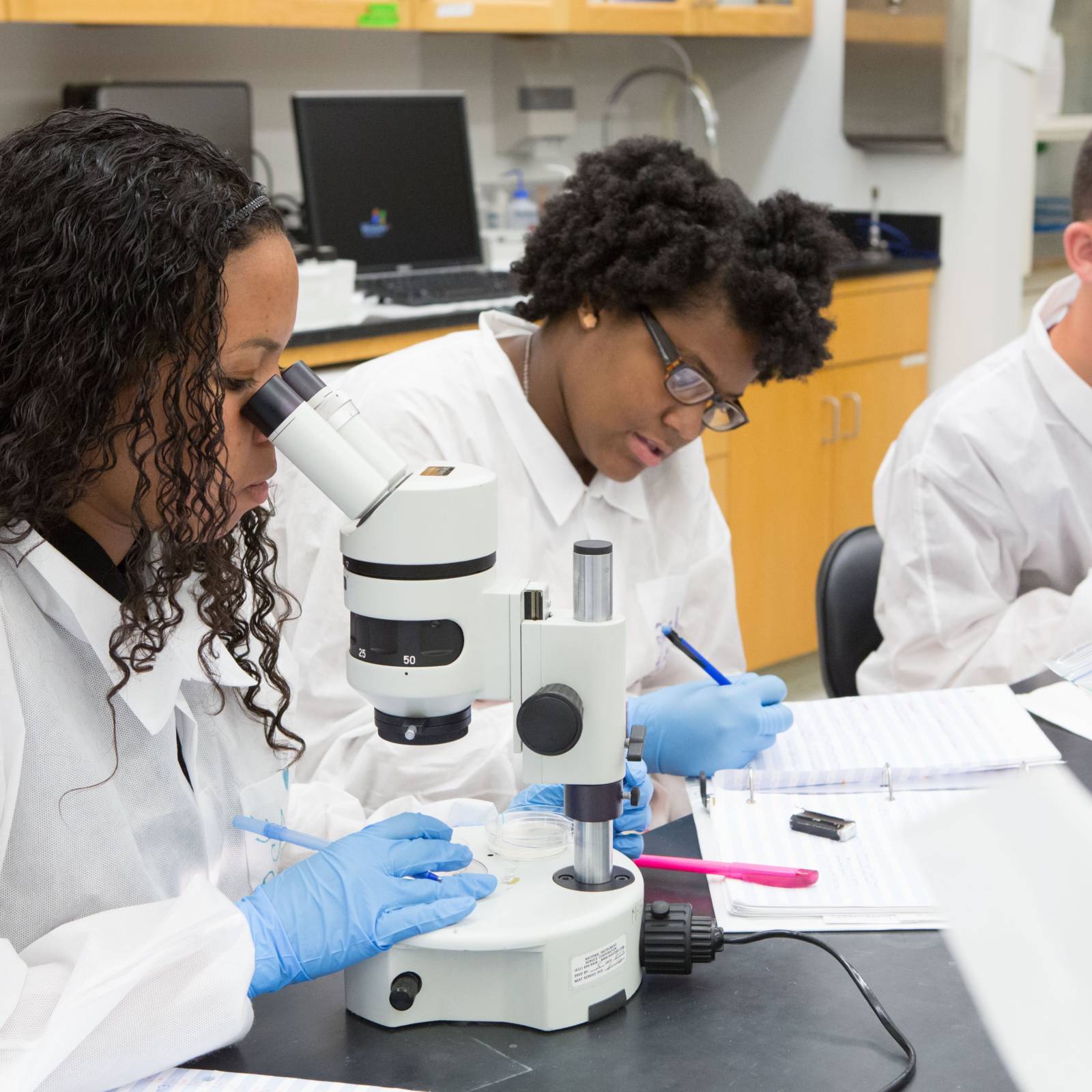
Laboratory Evidence
Laboratory testing sometimes becomes an important component of DUI marijuana charges Texas, particularly when investigators obtain a legally authorized blood sample.
Laboratory reports may identify the presence of certain substances, but those results are generally evaluated alongside other evidence rather than viewed in isolation.
The prosecution and the defense may each examine issues such as:
Collection procedures
Laboratory analysis
Documentation
Chain of custody
Interpretation of the results
Because every case differs, laboratory evidence represents one piece of the broader evidentiary picture.
The Importance of the Totality of the Evidence
Texas courts generally do not evaluate one fact in isolation.
Instead, DUI marijuana charges Texas often involve examining the complete set of admissible evidence.
Looking at the entire record allows the court to evaluate the circumstances according to the applicable legal standards.
Cross-Examination During Trial
Witness testimony presented during trial may be examined through cross-examination.
Attorneys may ask additional questions regarding:
Observations made during the investigation
Investigation procedures
Memory of events
Prior written reports
Consistency of testimony
Cross-examination provides an opportunity to clarify testimony and address issues affecting credibility while remaining subject to the Texas Rules of Evidence.
Real-Life Example
Consider a hypothetical driver named Michael.
Following a traffic stop, investigators collect several forms of evidence, including officer observations, field sobriety testing, body camera footage, and laboratory results.
As Michael’s DUI marijuana charges Texas case moves toward trial, both sides carefully review every piece of evidence rather than relying exclusively on one aspect of the investigation.
During the proceedings, witness testimony, video recordings, and laboratory documentation are all presented for the court’s consideration. Michael’s situation illustrates how marijuana-related driving cases frequently depend on multiple forms of evidence working together.
Common Misunderstandings About Marijuana-Related Driving Cases
Several misconceptions frequently arise.
“A laboratory result automatically determines the outcome.”
No.
Laboratory evidence is generally evaluated together with all other admissible evidence presented during the case.
“Officer observations are the only evidence that matters.”
No.
Courts typically consider witness testimony, recordings, scientific evidence, and additional documentation before reaching conclusions.
The investigative process depends on the facts, available evidence, and applicable legal requirements.
“Video evidence always resolves every dispute.”
Not always.
Recordings may provide valuable context, but they do not necessarily capture every relevant event or conversation.
Courtroom Testimony
During trial, several witnesses may testify regarding different parts of the investigation.
These may include:
Investigating officers
Drug Recognition Experts, when applicable
Laboratory personnel
Civilian witnesses
Other qualified witnesses
Each witness generally addresses matters within their personal knowledge or professional expertise, subject to the Texas Rules of Evidence and the court’s supervision.
Preparing for Trial
Attorneys preparing DUI marijuana charges Texas cases often conduct a thorough review of the available evidence before trial.
Preparation may include reviewing:
Police reports
Video recordings
Laboratory reports
Witness statements
Court filings
Discovery materials
This careful preparation helps both sides understand the strengths and limitations of the evidence before presenting the case in court.
Why Individual Analysis Matters
No two marijuana-related driving cases are exactly alike.
One investigation may focus primarily on officer observations, while another may involve extensive video evidence or laboratory testing. Some cases include multiple civilian witnesses, while others depend largely on the testimony of law enforcement officers.
For that reason, DUI marijuana charges Texas should always be evaluated according to the unique facts of the individual case. Careful review of all admissible evidence, compliance with established legal procedures, and thoughtful analysis of the complete record remain essential throughout the criminal justice process.
Conclusion
DUI marijuana charges Texas involve a unique combination of legal, scientific, and factual issues that distinguish them from many other impaired driving cases. Rather than relying on a single piece of evidence, courts generally evaluate the totality of the circumstances, including officer observations, witness testimony, field sobriety testing, video recordings, laboratory evidence, and any other admissible information presented during the proceedings. Because each investigation develops differently, no two cases follow exactly the same path through the criminal justice system.
From an analytical perspective, understanding DUI marijuana charges Texas requires looking beyond common misconceptions and recognizing how multiple forms of evidence work together within the framework of Texas law. The credibility of witnesses, the reliability of scientific evidence, and the procedures followed during the investigation may all become important considerations as a case moves through the courts. By understanding how these elements interact and seeking qualified legal guidance when appropriate, individuals can better navigate the legal process and make informed decisions throughout their case.
At the Law Office of Bryan Fagan, our team of licensed attorneys collectively boasts an impressive 100+ years of combined experience in Family Law, Criminal Law, and Estate Planning. This extensive expertise has been cultivated over decades of dedicated legal practice, allowing us to offer our clients a deep well of knowledge and a nuanced understanding of the intricacies within these domains.