
DUI intoxilyzer maintenance records often become an important topic in impaired-driving cases because breath-testing devices are expected to operate according to established procedures and maintenance standards. When a breath test result becomes part of a criminal investigation, questions sometimes arise regarding the inspection, calibration, maintenance, and operational history of the device that produced the reading. Understanding how these records fit into the legal process helps explain why they may receive attention during a DUI or DWI case.
Imagine that David is stopped late one evening after an officer observes unusual driving behavior. Following the traffic stop, he submits to a breath test using an Intoxilyzer device. Weeks later, while preparing for court, his attorney reviews the evidence and notices references to maintenance logs for the instrument. David quickly realizes that the case involves more than a single breath-test number. The condition and documented history of the testing equipment may also become relevant during the legal proceedings.
Scenarios like David’s demonstrate why DUI intoxilyzer maintenance records are often discussed in impaired-driving litigation. Although breath-test results may represent one piece of evidence, the reliability of the testing process itself can also become an issue considered within the broader evidentiary record.
From an analytical perspective, maintenance records help document the operational history of a breath-testing instrument rather than determining the outcome of a case by themselves.

What Are DUI Intoxilyzer Maintenance Records?
Before examining their legal significance, it is helpful to understand what DUI intoxilyzer maintenance records generally refer to.
Maintenance records are documents associated with the inspection, servicing, testing, or upkeep of a breath-testing instrument.
Depending on the applicable procedures, these records may include information concerning:
- Routine maintenance
- Scheduled inspections
- Calibration checks
- Diagnostic testing
- Repairs
- Component replacement
- Service history
The exact contents of maintenance records vary depending on the equipment, agency procedures, and applicable regulations.
Why Breath-Testing Devices Require Maintenance
Breath-testing instruments are technical devices designed to perform highly specific analytical functions.
Like many forms of scientific equipment, they typically require periodic inspection and maintenance.
Routine servicing helps agencies:
- Monitor equipment performance
- Verify operational status
- Identify mechanical issues
- Document repairs
- Maintain consistent testing procedures
Regular maintenance supports the ongoing operation of the instrument throughout its service life.
Understanding the Intoxilyzer
The Intoxilyzer is one example of a breath-testing instrument used by law enforcement agencies in impaired-driving investigations.
Although different models exist, these devices generally analyze a breath sample to estimate alcohol concentration according to established scientific principles.
The operation of the instrument involves more than simply collecting a breath sample.
Testing procedures may include equipment checks designed to confirm that the instrument is functioning according to applicable protocols.
Why Maintenance Records May Receive Attention
During criminal proceedings, attorneys sometimes examine DUI intoxilyzer maintenance records while reviewing the evidence collected during the investigation.
Maintenance documentation may help establish:
- Whether inspections were performed
- Whether servicing occurred
- Whether repairs were documented
- The timing of maintenance activities
- The operational history of the instrument
These records become part of the overall evidentiary review rather than automatically proving or disproving any allegation.
Types of Information Found in Maintenance Records
Depending on the agency and the equipment involved, maintenance documentation may contain several categories of information.
Examples include:
- Inspection dates
- Service dates
- Calibration verification
- Repair history
- Technician information
- Equipment identification numbers
- Maintenance observations
The specific records available vary from case to case.
Calibration and Performance Checks
One topic frequently discussed alongside DUI intoxilyzer maintenance records involves calibration and performance verification.
Breath-testing instruments may undergo procedures intended to confirm that they continue operating within established specifications.
Depending on applicable procedures, documentation may reflect:
- Scheduled verification
- Performance testing
- Equipment evaluation
- Maintenance adjustments
The exact terminology and procedures depend upon the governing standards applicable to the instrument.
Real-Life Example
Imagine a hypothetical defendant named Melissa.
Following an impaired-driving arrest, the prosecution intends to introduce a breath-test result obtained from an Intoxilyzer device.
During case preparation, both sides review maintenance documentation associated with the instrument.
The records indicate that routine inspections and servicing occurred throughout the period surrounding the breath test.
Although the maintenance records do not determine the final outcome of the case, they become one part of the broader evidentiary review conducted during the legal proceedings.
Melissa’s experience illustrates how DUI intoxilyzer maintenance records may become relevant when evaluating breath-test evidence.
Maintenance Records and the Larger Investigation
Breath-test documentation rarely represents the only evidence collected during an impaired-driving investigation.
Other evidence may include:
- Officer observations
- Driving behavior
- Field sobriety testing
- Video recordings
- Witness statements
- Chemical testing
- Physical evidence
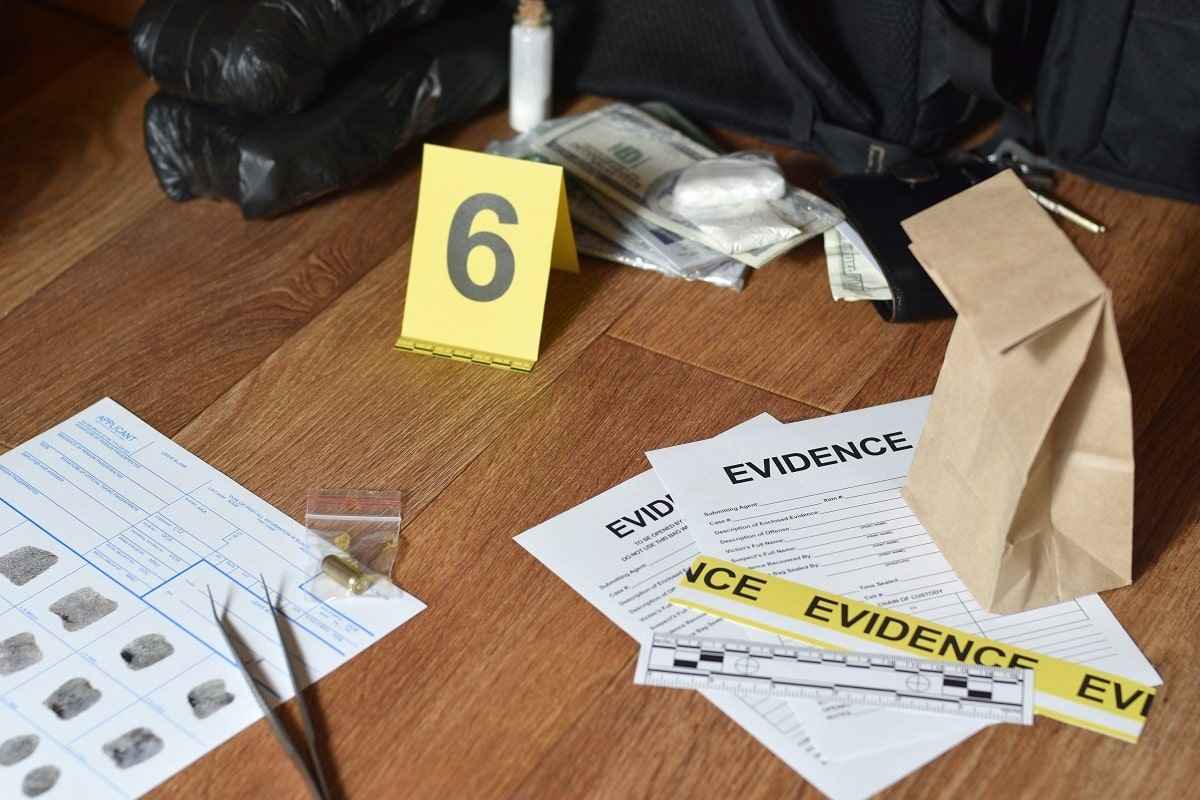
Courts generally consider the totality of the evidence presented rather than focusing on a single document.
Record Preservation
Maintaining accurate documentation supports consistency throughout the administration of breath-testing programs.
Depending on agency practices, maintenance records may be retained to document:
- Equipment servicing
- Inspection history
- Operational testing
- Repair activity
- Administrative compliance
Proper record preservation helps ensure that relevant documentation remains available when needed during legal proceedings.
Why Every Case Is Different
No two impaired-driving investigations involve identical facts.
Some cases rely heavily on breath-test evidence.
Others involve additional forms of chemical testing or substantial observational evidence independent of any breath analysis.
Because each investigation differs, DUI intoxilyzer maintenance records should always be evaluated within the broader factual and legal context of the individual case rather than viewed in isolation.
Inspection Schedules and Routine Servicing
One important aspect of DUI intoxilyzer maintenance records involves documenting when a breath-testing instrument undergoes routine inspections.
Law enforcement agencies typically establish maintenance schedules designed to monitor the ongoing condition of testing equipment.
Depending on the applicable procedures, routine servicing may involve:
- Operational inspections
- Performance verification
- Diagnostic testing
- Preventive maintenance
- Replacement of worn components
These scheduled reviews help create a documented history of the instrument’s maintenance throughout its service life.
Repairs and Equipment History
Like other technical devices, breath-testing instruments may occasionally require repairs.
When maintenance is performed, agencies often document information such as:
- Date of service
- Nature of the repair
- Components replaced
- Technician performing the work
- Follow-up testing after repairs
Reviewing this history provides a broader understanding of the instrument’s operational record over time.
Technician Documentation
Maintenance records frequently identify the individual responsible for inspecting or servicing the equipment.
Depending on the records maintained, documentation may include:
- Technician identification
- Service dates
- Inspection notes
- Maintenance procedures completed
- Verification of completed work
This information helps establish a clear record of the maintenance process.
Quality Control Procedures
Many breath-testing programs incorporate quality control measures intended to promote consistency.
Depending on agency practices, quality control may involve:
- Scheduled equipment evaluations
- Operational testing
- Internal documentation
- Maintenance verification
- Administrative oversight
These procedures help agencies monitor the continued operation of breath-testing instruments throughout their use.
Maintenance Records During Criminal Proceedings
In some impaired-driving cases, DUI intoxilyzer maintenance records become part of the discovery process.
Attorneys reviewing the evidence may examine maintenance documentation alongside other materials associated with the investigation.
Depending on the circumstances, records reviewed may include:
- Maintenance logs
- Inspection reports
- Calibration documentation
- Service records
- Operational testing records
These materials are generally evaluated together with the remaining evidence in the case.
Authentication of Maintenance Records
Before maintenance documents may be considered during legal proceedings, questions sometimes arise regarding their authenticity.
Depending on the applicable rules of evidence, parties may address issues such as:
- Record identification
- Business record requirements
- Custodian testimony
- Other evidentiary foundations
- Administrative documentation

The applicable legal standards determine how these records may be presented during litigation.
Expert Testimony
Some cases involving DUI intoxilyzer maintenance records include testimony from individuals with specialized technical knowledge.
Depending on the issues presented, experts may explain:
- Breath-testing technology
- Instrument operation
- Maintenance procedures
- Technical terminology
- Equipment performance concepts
Expert testimony is intended to assist the court in understanding technical subjects rather than deciding the case itself.
Comparing Maintenance Records With Other Evidence
Maintenance documentation represents only one category of evidence in an impaired-driving case.
Courts may also consider:
- Officer observations
- Driving behavior
- Field sobriety testing
- Video recordings
- Witness testimony
- Chemical test results
- Other admissible evidence
An analytical evaluation considers how each category of evidence relates to the others rather than relying on a single document or test result.
Real-Life Example
Consider a hypothetical driver named Anthony.
Following an arrest for an alleged impaired-driving offense, investigators rely on a breath-test result obtained from an Intoxilyzer instrument.
During preparation for trial, the attorneys review the equipment’s maintenance history, inspection records, and servicing documentation in addition to officer reports, dashboard camera footage, and witness statements.
Rather than focusing exclusively on the breath-test result, the parties examine the complete evidentiary record to better understand the circumstances surrounding the investigation.
Anthony’s case illustrates how DUI intoxilyzer maintenance records often form one component of a broader legal analysis.
Practical Considerations
Individuals involved in impaired-driving proceedings often benefit from understanding that breath-test evidence is part of a larger investigative process.
Important considerations may include:
- Reviewing available evidence carefully
- Understanding the purpose of maintenance records
- Recognizing the role of technical documentation
- Keeping the complete factual context in mind
- Appreciating that each case presents unique circumstances
A thorough review of all available evidence generally provides a more complete picture than focusing on one document alone.
Why Every Case Requires Individual Analysis
No two impaired-driving investigations are identical.
Some cases involve extensive technical documentation relating to the breath-testing instrument.
Others rely more heavily on officer observations, chemical testing, witness testimony, or additional physical evidence.
From an analytical perspective, DUI intoxilyzer maintenance records contribute to understanding the operational history of a breath-testing device, but they represent only one part of the overall evidentiary record. Courts evaluate maintenance documentation together with all other admissible evidence, applicable legal standards, and the specific facts presented in each individual case before reaching legal conclusions.

Conclusion
DUI intoxilyzer maintenance records play an important role in understanding how breath-testing instruments are maintained, inspected, and documented throughout their operational life. These records may include information about routine servicing, calibration verification, repairs, inspections, and other maintenance activities that help establish the history of a particular device. While breath-test results often receive significant attention in impaired-driving cases, maintenance documentation provides additional context regarding the equipment used during the investigation and may become part of the evidence reviewed during legal proceedings.
From an analytical perspective, DUI intoxilyzer maintenance records represent one component of a much broader evidentiary picture. Courts generally evaluate maintenance logs alongside officer observations, chemical test results, witness testimony, video recordings, and other admissible evidence rather than relying on any single source of information. Because every impaired-driving investigation involves unique facts, the legal significance of maintenance records depends on the specific circumstances of the case, the applicable rules of evidence, and the overall record presented to the court. Understanding how these records fit into the legal process helps explain their importance while reinforcing the need to evaluate all available evidence as a whole.
