
DUI intoxication evidence Texas plays a central role in nearly every impaired driving case because prosecutors must present evidence that attempts to establish whether a driver was allegedly operating a vehicle while intoxicated under Texas law. Every DUI case is different, and the type, quality, and reliability of the evidence can vary significantly depending on the circumstances surrounding the traffic stop, the investigation, and the events that followed.
Imagine a driver leaving a family celebration after having a single drink with dinner. A few miles down the road, flashing emergency lights appear in the rearview mirror. What began as an ordinary drive home suddenly becomes a criminal investigation. Within minutes, the officer begins making observations, asking questions, requesting field sobriety tests, and collecting information that may later become part of the prosecution’s case.
Situations like this illustrate why DUI intoxication evidence Texas is rarely based on one single fact. Instead, prosecutors typically rely on multiple pieces of evidence that, when viewed together, may support their allegations. Some evidence comes from police observations, while other evidence may involve scientific testing, witness statements, photographs, videos, or expert testimony.
Understanding the different categories of DUI intoxication evidence Texas helps drivers better understand how criminal investigations generally unfold and why every detail may become relevant during court proceedings.
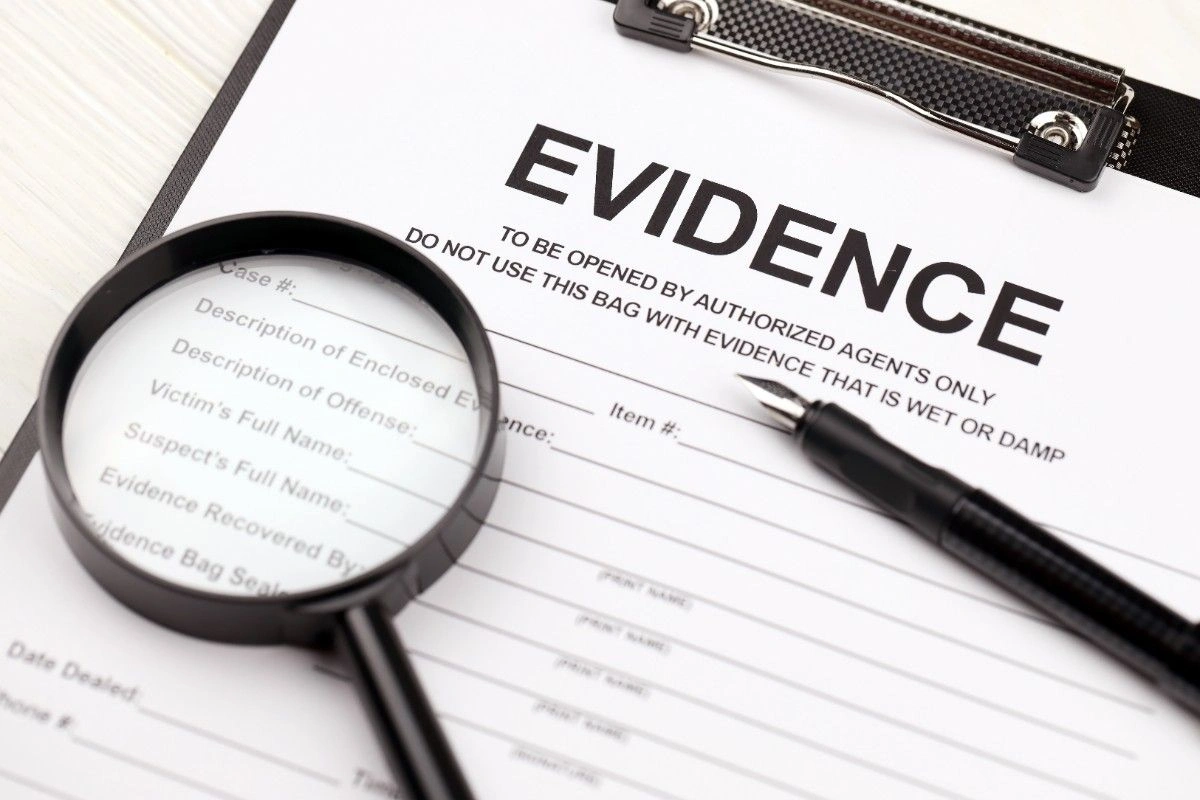
Understanding DUI Intoxication Evidence Texas
Before examining individual forms of evidence, it helps to understand what DUI intoxication evidence Texas generally refers to.
The phrase describes the various forms of information prosecutors may present in court to argue that a driver was intoxicated at the time they operated a motor vehicle in connection with a dui charge. Rather than relying on one observation alone, prosecutors often build their case by combining numerous facts gathered throughout the investigation to support the dui charge presented in court.
Depending on the circumstances, DUI intoxication evidence Texas may include:
- Driving behavior
- Police officer observations
- Statements made by the driver
- Field sobriety test performance
- Breath test results
- Blood test evidence
- Dashcam recordings
- Body camera footage
- Witness testimony
- Accident reconstruction evidence
- Laboratory reports
- Expert witness opinions
Each category serves a different purpose during criminal proceedings. While some evidence is based on scientific testing, other evidence depends on personal observations or documented facts.
Why Prosecutors Use Multiple Types of Evidence
Many people assume that a DUI case depends entirely on a breathalyzer result. In reality, prosecutors frequently present numerous forms of DUI intoxication evidence Texas to create a complete picture of the events leading to an arrest.
Imagine a driver whose breath test was never completed because of equipment issues. That does not necessarily mean the investigation ends there. Officers may still document driving behavior, physical appearance, speech patterns, balance, and performance during field sobriety exercises.
When combined, these observations may become part of the evidence presented in court.
From an analytical perspective, prosecutors generally seek corroborating evidence whenever possible because multiple independent observations may strengthen their overall argument.
Driving Behavior Often Becomes the First Piece of Evidence
One of the earliest forms of DUI intoxication evidence Texas often begins before the traffic stop even occurs.
Law enforcement officers commonly observe how a vehicle is being operated before deciding whether reasonable suspicion exists to initiate a stop.
Examples of driving behavior may include:
- Weaving between lanes
- Drifting onto the shoulder
- Driving unusually slowly
- Failing to maintain a single lane
- Running red lights
- Ignoring stop signs
- Following other vehicles too closely
- Making unusually wide turns
- Driving without headlights at night
- Nearly causing a collision
For example, imagine an officer observing a vehicle repeatedly crossing lane markings for several miles. Although lane drifting alone does not automatically establish intoxication, the officer may consider it one factor among many during the investigation.
Driving behavior frequently becomes one of the earliest components of DUI intoxication evidence Texas because it explains why the investigation began.
Officer Observations Following the Traffic Stop
After initiating a traffic stop, officers typically begin making additional observations that may later become part of DUI intoxication evidence Texas.
These observations often involve the driver’s appearance, speech, coordination, and overall behavior.
Common observations may include:
- Bloodshot eyes
- Slurred speech
- Difficulty locating documents
- Odor of alcohol
- Slow responses
- Confusion
- Poor coordination
- Unsteady balance
- Flushed face
- Emotional behavior
Consider a situation where an officer notices that a driver struggles to locate their driver’s license despite repeated requests. Combined with other observations, the officer may document this behavior in the arrest report.
Each observation becomes another piece of the overall investigation.
Statements Made by the Driver
Many drivers unknowingly contribute additional DUI intoxication evidence Texas through statements made during roadside conversations.
Officers often ask routine questions such as:
- Where are you coming from?
- Have you consumed alcohol?
- How much have you had to drink?
- When was your last drink?
- Are you taking medication?
- Have you used any drugs today?
Some drivers voluntarily admit consuming alcohol without realizing their statements may later be introduced during court proceedings.
For instance, a driver may casually respond, “I only had two beers after work.”
Although that statement may seem harmless at the time, prosecutors may later reference it alongside other evidence gathered during the investigation.
Field Sobriety Tests
Field sobriety exercises frequently become one of the most discussed forms of DUI intoxication evidence Texas.
These roadside tests are intended to help officers observe a person’s balance, coordination, divided attention, and ability to follow instructions.
Common standardized field sobriety tests include:
:max_bytes(150000):strip_icc()/dui5-569fe6ab3df78cafda9eff68.jpg)
Horizontal Gaze Nystagmus Test
During this exercise, the officer observes eye movements while the individual follows an object moving from side to side.
The officer looks for specific indicators that standardized training associates with impairment.
Walk-and-Turn Test
The driver is instructed to walk heel-to-toe along a straight line, turn using specific steps, and return in the opposite direction.
The officer evaluates balance, coordination, and the ability to follow multiple instructions simultaneously.
One-Leg Stand Test
The individual stands on one foot while counting aloud for a designated period.
The officer observes balance, body movement, hopping, or whether the individual places their foot down before completing the exercise.
While these tests are commonly used, prosecutors generally present them as one component of DUI intoxication evidence Texas rather than the sole basis for their case.
Breath Test Evidence
Breath testing often receives significant public attention because it provides numerical measurements that prosecutors may introduce during trial.
Breath testing devices estimate blood alcohol concentration by analyzing a person’s breath sample.
In many investigations, officers request breath samples after an arrest has occurred.
The resulting measurements may later become part of DUI intoxication evidence Texas, along with maintenance records, calibration information, and testimony regarding the testing procedure.
Although breath test evidence may appear straightforward, prosecutors often present additional supporting evidence rather than relying exclusively on numerical results.
Blood Test Results
Blood testing represents another important category of DUI intoxication evidence Texas, particularly when officers suspect impairment involving alcohol, prescription medication, or controlled substances.
Blood samples are analyzed in forensic laboratories where qualified personnel measure the presence of alcohol or other substances.
Laboratory reports may identify:
- Alcohol concentration
- Prescription medications
- Illegal drugs
- Certain metabolites
- Other chemical findings relevant to the investigation
For example, following a serious traffic collision, investigators may obtain a blood sample as part of the criminal investigation.
The laboratory findings may later become one element of the prosecution’s evidence.
Dashcam and Body Camera Footage
Modern technology has significantly expanded the amount of DUI intoxication evidence Texas available during criminal proceedings.
Many patrol vehicles contain dashboard cameras that record:
- Driving behavior
- Traffic stop interactions
- Field sobriety exercises
- Conversations
- Arrest procedures
Likewise, body-worn cameras frequently capture close-up interactions between officers and drivers.
These recordings allow judges, juries, prosecutors, and defense attorneys to independently review portions of the investigation rather than relying solely on written reports.
For example, video footage may reveal whether roadside instructions were clearly communicated or whether environmental conditions affected a driver’s performance.
Witness Testimony
Witness testimony may also become valuable DUI intoxication evidence Texas, particularly when other individuals observed the driver’s actions before or during the incident.
Potential witnesses may include:
- Passengers
- Other drivers
- Restaurant employees
- Bartenders
- Store employees
- Pedestrians
- First responders
Imagine a cashier observing a customer who appeared visibly impaired before leaving a convenience store and driving away.
If that individual later testifies, their observations may become part of the prosecution’s presentation.
Every witness offers a unique perspective, and the court evaluates testimony alongside the remaining evidence.
Accident Scene Evidence
When a DUI investigation involves a collision, physical evidence collected at the crash scene often becomes part of DUI intoxication evidence Texas.
Investigators may document:
- Vehicle positions
- Tire marks
- Debris patterns
- Property damage
- Road conditions
- Weather conditions
- Impact locations
- Photographs
- Measurements
For example, skid marks may help investigators estimate vehicle movement before impact.
Photographs may document roadway conditions that become relevant during later analysis.
These physical findings often assist experts in reconstructing how the incident occurred.
Laboratory Documentation
Scientific testing generally involves substantial documentation beyond the test result itself.
Laboratory records may include:
- Sample collection information
- Chain-of-custody documentation
- Equipment maintenance records
- Calibration logs
- Analyst certifications
- Testing procedures
- Quality assurance records
These documents help establish how evidence was collected, stored, transported, and analyzed throughout the investigation.
Proper documentation allows the court to review whether established procedures were followed before scientific evidence is introduced.
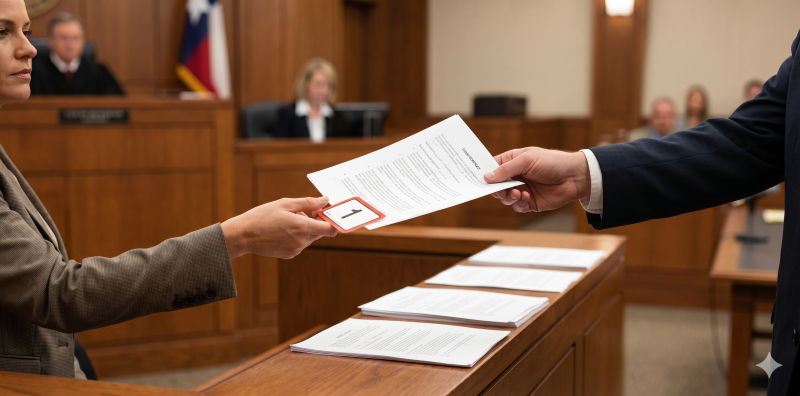
Expert Witness Testimony
Some forms of DUI intoxication evidence Texas require explanation from qualified experts.
Expert witnesses may testify regarding:
- Toxicology
- Breath testing technology
- Blood alcohol analysis
- Laboratory procedures
- Drug recognition evaluations
- Accident reconstruction
- Human physiology
For instance, a forensic toxicologist may explain how alcohol is absorbed, distributed, and eliminated within the human body.
Similarly, an accident reconstruction expert may describe how physical evidence supports a particular sequence of events.
Expert testimony often helps judges and juries better understand technical evidence that may not be familiar to the average person.
Digital Evidence Continues Expanding
Technology now contributes to DUI intoxication evidence Texas in ways that were uncommon years ago.
Depending on the facts of a particular investigation, digital evidence may include:
- Surveillance footage
- Highway traffic cameras
- Business security recordings
- GPS information
- Vehicle event data recorders
- Cell phone records when legally obtained
Imagine a nearby gas station camera capturing a vehicle moments before officers initiate a traffic stop.
That footage may later be compared with officer observations and other evidence collected during the investigation.
Digital recordings often provide objective information that may support or contradict witness accounts.
How Prosecutors Present DUI Intoxication Evidence Texas in Court
Rather than presenting evidence randomly, prosecutors generally organize DUI intoxication evidence Texas into a logical timeline.
A typical presentation may begin with the initial driving behavior observed by law enforcement.
From there, prosecutors may introduce officer testimony, photographs, videos, field sobriety test observations, chemical test results, witness testimony, and expert opinions.
This chronological approach helps jurors understand how the investigation developed from the first observation through the arrest and subsequent forensic testing.
Each witness typically builds upon information presented by previous witnesses, creating a more complete narrative for the court.
Why Context Matters When Evaluating Evidence
Not every piece of DUI intoxication evidence Texas carries the same significance in every case.
Certain investigations may rely heavily on chemical testing, while others focus more on officer observations, witness testimony, or video recordings.
Environmental factors may also influence how evidence is interpreted.
Poor weather, uneven pavement, medical conditions, fatigue, injuries, or heavy traffic can all affect aspects of an investigation.
Because every case presents different facts, courts generally consider the totality of the circumstances rather than focusing on one isolated observation.
This broader approach allows judges and juries to evaluate how each piece of evidence fits within the overall investigation.

Final Thoughts on DUI Intoxication Evidence Texas
Understanding DUI intoxication evidence Texas provides valuable insight into how prosecutors typically build impaired driving cases in Texas courts.
From the initial driving behavior and roadside observations to laboratory testing, witness testimony, digital recordings, and expert analysis, each category of evidence may contribute to the overall presentation during criminal proceedings.
Rather than depending on a single fact, prosecutors often assemble multiple forms of DUI intoxication evidence Texas that they believe support their allegations.
By examining each piece within the broader context of the investigation, courts seek to evaluate the reliability, consistency, and relevance of the information presented before reaching a decision.
Whether the evidence involves officer observations, scientific testing, physical evidence, or digital recordings, understanding how these elements work together offers a clearer picture of how Texas DUI cases are commonly investigated and presented in court.