
DUI fake ID alcohol arrest Texas is a topic that raises important legal questions because a single incident may involve more than one alleged offense. What begins as a traffic stop for suspected impaired driving can sometimes expand into a broader criminal investigation if officers discover an allegedly fraudulent identification card, questions about alcohol purchases, or possible age-related violations. Understanding how these issues intersect helps explain why some cases become more legally complex than others.
Imagine a college student named Tyler who attends a birthday celebration with friends. While leaving the event, he is stopped by law enforcement after an officer observes alleged traffic violations. During the investigation, officers ask for identification and discover what they believe is a fake driver’s license. The encounter quickly shifts from a routine impaired-driving investigation to one involving multiple legal issues. Tyler suddenly finds himself facing questions not only about driving after consuming alcohol but also about the identification card found in his possession.
Situations like Tyler’s demonstrate why DUI fake ID alcohol arrest Texas cases often involve multiple layers of legal analysis. Investigators may review how the identification was obtained, whether it was used to purchase alcohol, and how those facts relate to the impaired-driving investigation.
From an analytical perspective, each alleged offense is evaluated separately while also considering how the evidence fits together within the overall investigation.
Although Texas law generally uses the term Driving While Intoxicated (DWI) for adult impaired-driving offenses, this article uses the keyword “DUI fake ID alcohol arrest Texas” because it reflects a common online search phrase while discussing the Texas legal framework.
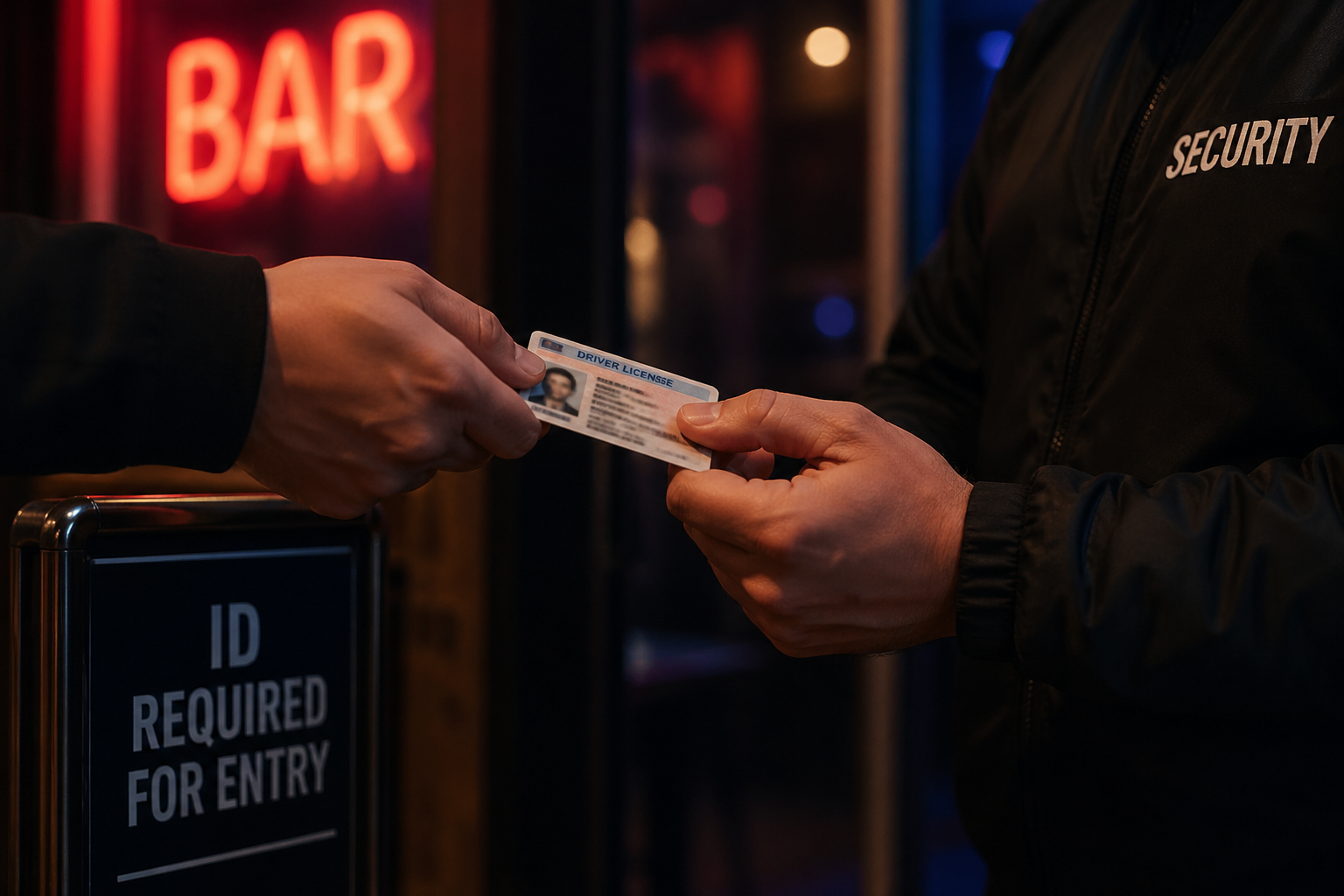
Understanding DUI Fake ID Alcohol Arrest Texas
Before examining the investigative process, it helps to understand what DUI fake ID alcohol arrest Texas generally refers to and how it may lead to a dui charge under certain circumstances.
The phrase commonly describes situations in which an impaired-driving investigation also involves allegations relating to a fake or altered identification card and alcohol-related conduct.
Depending on the circumstances, investigators may examine issues involving:
- Alleged impaired driving
- Identification documents
- Alcohol purchases
- Age verification
- Statements made during the investigation
- Other related evidence
Each allegation is evaluated according to the applicable law and the specific facts of the case.
Why Multiple Charges May Arise
A single encounter with law enforcement may result in more than one criminal allegation.
For example, during an impaired-driving investigation, officers may also discover evidence suggesting unrelated or additional offenses.
Examples may include allegations involving:
- Fraudulent identification
- Alcohol possession or purchase
- False identifying information
- Other criminal offenses discovered during the investigation
Each allegation generally requires its own legal analysis and supporting evidence.
How Traffic Stops Begin
Many DUI fake ID alcohol arrest Texas investigations begin with a traffic stop.
Depending on the circumstances, officers may initiate a stop after observing:
- Speeding
- Failure to maintain a lane
- Traffic signal violations
- Equipment violations
- Other driving behavior suggesting further investigation may be appropriate
The reason for the stop often becomes one part of the overall case.
Identification Requests
During a traffic stop, officers commonly request identification from the driver.
Depending on the circumstances, investigators may review:
- Driver’s license information
- Identification cards
- Vehicle registration
- Insurance documentation

If officers suspect an identification document is fraudulent or altered, additional investigation may follow.
Alleged Fake Identification
When investigators believe an identification document is not genuine, they may examine factors such as:
- Physical appearance of the card
- Security features
- Information displayed
- Database verification
- Statements made by the individual
Whether an identification document violates applicable law depends on the evidence collected during the investigation.
Alcohol Purchases
If investigators believe an identification card was used to purchase alcohol, they may attempt to determine:
- Where alcohol was purchased
- When the purchase occurred
- Whether surveillance footage exists
- Whether transaction records are available
- Whether witnesses can provide information
These issues may become relevant depending on the facts of the investigation.
Real-Life Example
Imagine a hypothetical defendant named Sophia.
After leaving a social gathering, Sophia is stopped by law enforcement during an impaired-driving investigation.
While reviewing her identification, officers suspect that the driver’s license presented does not belong to her.
Investigators later review surveillance footage from a nearby retailer, examine transaction records, and interview witnesses regarding alcohol purchases earlier that evening.
Rather than focusing on a single allegation, investigators evaluate every available piece of evidence before determining how the case should proceed.
Sophia’s situation illustrates why DUI fake ID alcohol arrest Texas cases frequently involve multiple investigative steps.
Evidence Commonly Reviewed
Every investigation differs, but officers may examine numerous forms of evidence.
Examples include:
- Identification documents
- Officer observations
- Witness statements
- Surveillance video
- Receipts
- Digital payment records
- Body camera recordings
- Dashboard camera footage
Each category of evidence contributes to the overall factual record.
Digital Evidence
Technology frequently plays an important role in modern investigations.
Depending on the circumstances, investigators may review:
- Cellphone communications
- Text messages
- Social media posts
- Digital payment history
- Electronic receipts
- Location information when lawfully obtained
Digital records sometimes help establish timelines or clarify events leading up to the alleged offenses.
Why Every Investigation Is Different
No two DUI fake ID alcohol arrest Texas investigations involve identical facts.
Some cases center primarily on impaired-driving allegations.
Others involve additional questions concerning identification documents, alcohol purchases, or related evidence.
Because every investigation presents unique circumstances, each allegation must be evaluated individually while considering how the available evidence fits together within the broader legal context.
Evidence Authentication
An important aspect of DUI fake ID alcohol arrest Texas cases involves determining whether the evidence collected during the investigation can be properly authenticated.
Before evidence may be considered during legal proceedings, it generally must be shown to be what it is claimed to be.
Depending on the circumstances, authentication may involve:
- Witness testimony
- Business records
- Digital records
- Officer observations
- Physical evidence
- Other admissible documentation
The applicable rules of evidence govern how these materials may be presented in court.
Surveillance Footage
Many businesses that sell alcoholic beverages use security cameras.
If investigators believe a fake identification card was used during an alcohol purchase, they may review available recordings from:
- Retail stores
- Restaurants
- Bars
- Convenience stores
- Parking areas
Surveillance footage may assist investigators in establishing timelines, identifying individuals, or comparing events with witness statements.
Body Camera and Dashboard Camera Recordings
Law enforcement agencies frequently use body-worn cameras and dashboard cameras during traffic stops.
In a DUI fake ID alcohol arrest Texas investigation, these recordings may document:
- The initial traffic stop
- Conversations with the driver
- Presentation of identification
- Officer observations
- Field investigation activities
- Other events occurring during the encounter
These recordings often become one part of the overall evidentiary record.
Witness Statements
Witness testimony may also play an important role.
Depending on the circumstances, investigators may interview:
- Passengers
- Store employees
- Restaurant staff
- Friends present earlier in the evening
- Other customers
- Law enforcement officers

Because different witnesses may observe different events, investigators often compare multiple statements before reaching conclusions.
Reviewing Business Records
When allegations involve the purchase of alcohol, investigators may review available business documentation.
Depending on the facts, records may include:
- Sales receipts
- Transaction histories
- Employee reports
- Surveillance logs
- Inventory information
- Other business records
These materials may assist investigators in understanding the sequence of events.
Multiple Allegations Require Separate Analysis
One important feature of DUI fake ID alcohol arrest Texas cases is that each alleged offense generally requires separate legal analysis.
For example, investigators may evaluate:
- The impaired-driving allegation
- The identification-related allegation
- Alcohol-related issues
- Any additional alleged offenses
Although these matters may arise from the same incident, each allegation typically has its own legal elements that must be considered individually.
Real-Life Example
Imagine a hypothetical defendant named Brandon.
Following a traffic stop, officers suspect impaired driving and also question the authenticity of the identification card presented during the investigation.
Investigators later obtain surveillance footage from a nearby retailer, review electronic transaction records, examine body camera footage, and interview employees who interacted with Brandon earlier that evening.
Rather than relying on a single source of information, investigators compare every available piece of evidence before determining how the allegations should proceed.
Brandon’s experience demonstrates how DUI fake ID alcohol arrest Texas investigations often involve several independent sources of evidence.
Practical Considerations
Individuals involved in criminal investigations often benefit from understanding that numerous forms of evidence may become relevant.
Examples include:
- Identification documents
- Electronic communications
- Surveillance recordings
- Financial records
- Officer reports
- Witness statements
Maintaining awareness of how evidence is gathered and preserved helps explain why investigations frequently continue long after the initial traffic stop.
Important Factors to Consider
Several important issues commonly arise during DUI fake ID alcohol arrest Texas investigations.
For example, some individuals assume that discovering a fake identification automatically determines the outcome of an impaired-driving allegation.
Others believe that every allegation arising from the same traffic stop is evaluated together as a single offense.
In reality, investigators, prosecutors, and courts generally analyze each allegation according to its own legal requirements while considering how the available evidence relates to the overall investigation.
Understanding this distinction helps provide a clearer picture of how these cases develop.
Every Case Requires Individual Analysis
No two DUI fake ID alcohol arrest Texas investigations involve identical facts or evidence.
Some cases focus primarily on impaired-driving allegations.
Others involve additional issues concerning identification documents, alcohol purchases, electronic records, surveillance footage, or witness testimony.
From an analytical perspective, cases involving multiple allegations require a careful review of each category of evidence independently while also considering how the facts fit together. Courts evaluate the complete evidentiary record—including physical evidence, digital records, witness testimony, officer observations, and applicable Texas law—to determine how each allegation should be addressed within the broader criminal proceeding.

Conclusion
DUI fake ID alcohol arrest Texas cases often involve more than a single legal issue because an impaired-driving investigation may uncover additional allegations relating to identification documents, alcohol purchases, or other conduct. Each allegation is evaluated separately under the applicable provisions of Texas law, even when multiple issues arise from the same traffic stop. Throughout the investigation, law enforcement may review physical evidence, witness statements, surveillance footage, body camera recordings, digital communications, business records, and other relevant information to better understand the circumstances surrounding the incident.
From an analytical perspective, DUI fake ID alcohol arrest Texas demonstrates how multiple forms of evidence and separate legal questions can combine to create a more complex criminal case. Courts generally assess each allegation according to its own legal elements while considering the complete evidentiary record presented during the proceedings. Because every investigation involves unique facts, the outcome depends on the available evidence, the applicable legal standards, and the specific circumstances surrounding the alleged offenses. Understanding how these investigations develop helps individuals recognize why careful legal analysis and a thorough evaluation of all evidence remain essential throughout the criminal justice process.