
DUI drug recognition expert Texas is a phrase that often appears in discussions about impaired-driving investigations involving suspected drug impairment rather than alcohol alone. While many people associate impaired-driving cases with breath tests and alcohol concentration, some investigations focus on whether drugs may have affected a driver’s ability to operate a vehicle safely. In those situations, specially trained officers known as Drug Recognition Experts (DREs) may become involved as part of the investigative process.
Imagine a driver named Amanda who is stopped after an officer observes unusual driving behavior late one evening. During the traffic stop, the officer does not detect a strong odor of alcohol, yet still believes something appears unusual about Amanda’s behavior. Because the investigation raises questions about possible drug impairment, another officer with specialized training is called to assist. Amanda soon learns that a Drug Recognition Expert may conduct additional observations as part of the investigation.
Stories like Amanda’s demonstrate why understanding the role of a DUI drug recognition expert Texas can help explain how some impaired-driving investigations differ from those involving alcohol alone. These cases often involve additional observations, specialized training, and a broader evaluation process.
Although Texas law generally uses the term Driving While Intoxicated (DWI) for adult impaired-driving offenses, this article uses the keyword “DUI drug recognition expert Texas” because it reflects a common online search phrase while discussing the Texas legal framework.

Understanding DUI Drug Recognition Expert Texas
Before examining the investigative process, it helps to understand what a DUI drug recognition expert Texas generally refers to and how this concept fits within DUI law.
A Drug Recognition Expert, commonly called a DRE, is a law enforcement officer who has completed specialized training designed to assist in evaluating possible impairment associated with certain categories of drugs.
The purpose of a DRE evaluation is not to replace other investigative methods.
Instead, it may become one component of a broader impaired-driving investigation.
Why Drug Impairment Investigations Differ
Alcohol-related investigations often involve breath-testing instruments.
Drug-related investigations may require different investigative techniques because many drugs cannot be measured through standard breath testing.
As a result, investigators may consider:
- Officer observations
- Driving behavior
- Physical indicators
- Statements made during the investigation
- Other available evidence
Every investigation depends on its own facts.
The Role of Specialized Training
Drug Recognition Experts receive training intended to help them recognize observable signs that may be associated with impairment.
Their role generally involves conducting evaluations according to established investigative procedures.
Specialized training may include topics such as:
- Observation techniques
- Drug categories
- Physiological indicators
- Standardized evaluation procedures
- Documentation methods
The training does not determine whether a crime occurred but supports the investigative process.
When a Drug Recognition Expert May Be Called
A DUI drug recognition expert Texas is not involved in every impaired-driving investigation.
Instead, assistance may be requested when officers believe additional evaluation could be helpful.
Examples may include situations where:
- Alcohol impairment is uncertain
- Drug impairment is suspected
- Breath-test results do not fully explain observed behavior
- Additional investigative observations are considered appropriate
Whether a DRE participates depends on the circumstances of the individual case.
The Investigation Begins With the Traffic Stop
Like many impaired-driving investigations, cases involving suspected drug impairment often begin with a traffic stop.
Depending on the circumstances, officers may observe:
- Speeding
- Lane deviations
- Failure to obey traffic signals
- Other driving behavior prompting further investigation
- Erratic driving
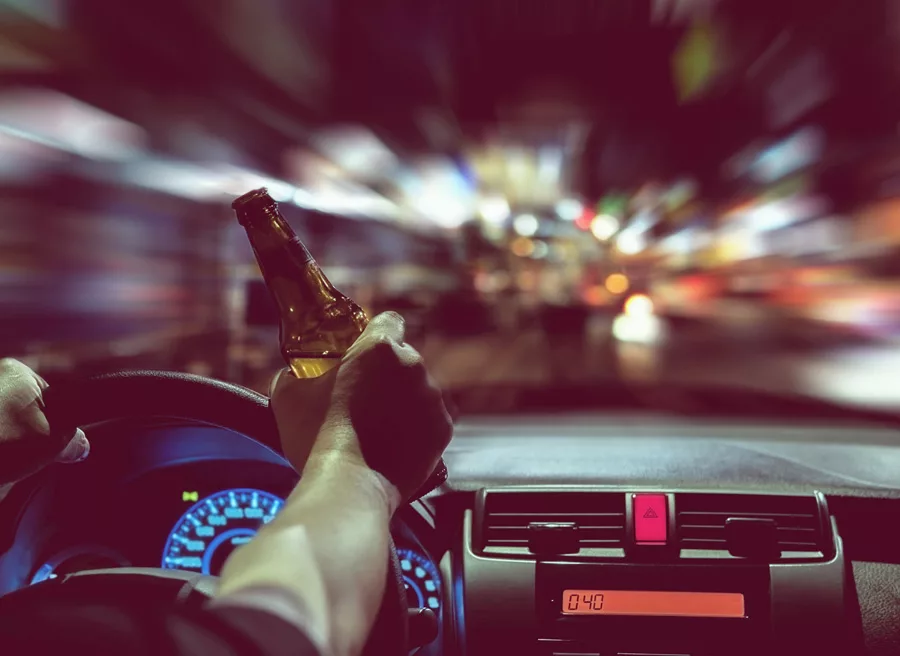
The reason for the initial stop becomes one part of the overall investigation.
Observations During the Investigation
Throughout the encounter, officers may document observations relevant to the investigation.
Depending on the circumstances, observations may include:
- Speech patterns
- Balance
- Coordination
- Physical appearance
- Driver responses
- General behavior
These observations become part of the overall evidentiary record.
Real-Life Example
Imagine a hypothetical driver named Jason.
An officer stops Jason after observing his vehicle weaving between lanes.
Although no strong odor of alcohol is detected, the officer notices behavior believed to warrant additional investigation.
A DUI drug recognition expert Texas is requested to assist.
The investigation includes additional observations, documentation, and other investigative procedures conducted according to established protocols.
Jason’s experience illustrates how DRE involvement may occur when investigators seek additional information during suspected drug-related impaired-driving cases.
Documentation Throughout the Evaluation
Documentation plays an important role during investigations involving Drug Recognition Experts.
Depending on the circumstances, records may include:
- Officer reports
- Observation notes
- Evaluation forms
- Video recordings
- Body camera footage
- Other investigative documentation
Maintaining accurate records supports the integrity of the investigative process.
Evidence Beyond the Evaluation
A DRE evaluation represents only one part of an impaired-driving investigation.
Other evidence may include:
- Officer observations
- Dash camera recordings
- Body camera footage
- Witness statements
- Laboratory testing where applicable
- Physical evidence
- Other investigative materials
Courts generally evaluate the complete body of evidence rather than relying on one investigative component alone.
Why Every Investigation Is Different
No two investigations involving a DUI drug recognition expert Texas follow exactly the same path.
Some cases involve extensive physical observations.
Others include laboratory testing, witness testimony, digital evidence, or additional investigative materials.
Because every investigation presents unique facts, the role of a Drug Recognition Expert should always be understood within the broader context of the complete investigation rather than viewed in isolation.
The Drug Recognition Evaluation Process
An important aspect of DUI drug recognition expert Texas investigations involves understanding that the evaluation follows established procedures rather than relying on a single observation.
When a Drug Recognition Expert becomes involved, the officer generally conducts a systematic assessment designed to document observable information relevant to the investigation.
The evaluation may become one component of the overall evidentiary record alongside other investigative materials.
Standardized Investigative Procedures
Drug Recognition Experts typically follow standardized procedures developed for conducting evaluations.
Depending on the circumstances, the evaluation may involve reviewing:
- Information gathered by the investigating officer
- Observable physical indicators
- Driver responses
- Coordination-related observations
- Other investigative findings
The purpose is to organize observations using established investigative methods.
Physical Observations
During a DUI drug recognition expert Texas investigation, officers may document various physical observations that they believe are relevant.
Depending on the facts of the case, observations may include:
- General appearance
- Speech characteristics
- Balance
- Coordination
- Eye observations
- Behavioral indicators
These observations become part of the investigative record and are considered together with other available evidence.
Toxicology Testing
Some investigations also involve laboratory testing when authorized under applicable law.
Depending on the circumstances, toxicology testing may include legally obtained samples intended for laboratory analysis.
Laboratory results, when available, may be reviewed alongside:
- Officer observations
- DRE evaluation findings
- Witness statements
- Video recordings
- Other investigative evidence
Each category of evidence is evaluated within the broader context of the case.
Reviewing the Complete Investigation
One important feature of DUI drug recognition expert Texas cases is that no single piece of evidence generally determines the outcome.
Investigators may review multiple sources of information, including:
- Driving behavior
- Traffic stop observations
- DRE evaluation
- Laboratory testing
- Officer reports
- Digital evidence
- Witness testimony
Examining all available information helps provide a more complete understanding of the investigation.
Courtroom Testimony
If a criminal case proceeds through the court system, a Drug Recognition Expert may testify regarding observations made during the investigation.
Depending on the issues presented, testimony may address:
- Evaluation procedures
- Observations recorded
- Investigative methods
- Training and experience
- Documentation prepared during the investigation
The court evaluates this testimony together with all other admissible evidence presented during the proceedings.
Expert Witness Considerations
A DUI drug recognition expert Texas may be presented as a witness based on specialized training and experience.
Like other forms of expert testimony, the admissibility and weight of that testimony are governed by applicable rules of evidence and judicial procedures.
The court determines how expert testimony fits within the broader evidentiary record presented during the case.
Real-Life Example
Imagine a hypothetical driver named Emily.
Following a traffic stop, the investigating officer believes additional evaluation is appropriate because alcohol alone does not appear to explain the observed behavior.
A Drug Recognition Expert conducts an evaluation, prepares detailed documentation, and the investigation later includes laboratory testing where authorized.
If the matter proceeds to court, the prosecution and defense each review the officer’s observations, evaluation records, laboratory findings, and other available evidence before presenting the case.
Emily’s situation demonstrates how DUI drug recognition expert Texas investigations often involve multiple forms of evidence rather than relying solely on one officer’s opinion.
Practical Considerations
Individuals involved in impaired-driving investigations often benefit from understanding that drug-related cases may involve several investigative stages.
Important considerations may include:
- Preserving relevant documentation
- Reviewing available evidence carefully
- Understanding that multiple officers may participate
- Recognizing the role of laboratory testing
- Appreciating that each investigation develops according to its own facts
Understanding the investigative process helps explain why these cases may differ from alcohol-related investigations.
Important Factors to Consider
Several misunderstandings frequently arise regarding DUI drug recognition expert Texas investigations.
For example, some individuals believe that the presence of a Drug Recognition Expert automatically determines whether impairment occurred.
Others assume that laboratory testing alone resolves every question raised during an investigation.
In reality, investigators, attorneys, and courts generally evaluate the complete evidentiary record, including officer observations, DRE evaluations, laboratory results, witness testimony, and other admissible evidence before legal conclusions are reached.
Recognizing this broader context helps provide a more accurate understanding of the investigative process.
Every Investigation Requires Individual Analysis
No two DUI drug recognition expert Texas investigations involve identical facts or evidence.
Some cases rely heavily on officer observations and standardized evaluations, while others include toxicology testing, digital evidence, surveillance recordings, or witness testimony that provides additional context.
From an analytical perspective, the involvement of a Drug Recognition Expert represents one element of a larger investigative process. Courts evaluate DRE observations together with all other admissible evidence, applicable Texas law, and the specific facts of each case before determining how the evidence should be considered within the criminal proceeding.

Conclusion
DUI drug recognition expert Texas investigations highlight how suspected drug-impaired driving cases often involve a broader investigative process than cases based primarily on alcohol impairment. When a Drug Recognition Expert participates, the evaluation becomes one part of a comprehensive investigation that may also include officer observations, driving behavior, standardized procedures, laboratory testing where applicable, witness statements, video recordings, and other relevant evidence. Each component contributes to the overall factual record rather than independently determining the outcome of the case.
From an analytical perspective, DUI drug recognition expert Texas demonstrates the importance of evaluating impaired-driving cases through a careful review of all available evidence and established legal procedures. Drug Recognition Experts provide specialized observations based on their training, but their evaluations are considered alongside other admissible evidence within the Texas criminal justice system. Because every investigation presents unique facts, the significance of a DRE’s findings depends on the specific circumstances of the case, the applicable rules of evidence, and the complete record presented during the legal proceedings.