
Most people know the basics of a DUI stop: flashing lights, a breath test, maybe some field sobriety exercises. But there’s one part of a Texas DUI investigation that often catches drivers completely off guard—the DUI blood draw warrant. In Texas, police officers can—and often do—force a blood draw in certain situations. If you’ve never encountered this part of the process before, the idea can feel invasive and intimidating.
This article explains everything you need to know about the DUI blood draw warrant Texas law. We’ll break down when officers can request a warrant, how the process works, what your rights are, and how these blood results affect your case. Along the way, we’ll share real-life examples and legal insight to help you make sense of a system that often seems stacked against the accused. Whether you’re facing charges or just want to be informed, this is a conversation worth having.

Why Police Use Blood Draws in Texas DUI Cases
When a Breath Test Isn’t Enough
Breathalyzers have become standard during DUI stops, but they aren’t always reliable—or feasible. Sometimes the driver refuses to blow. Other times, the officer suspects drugs, which breath tests can’t detect. That’s where blood tests come in.
In Texas, police see blood testing as the gold standard for DUI evidence. A blood sample can measure alcohol and drug levels with scientific precision, giving prosecutors a stronger case in court. But they can’t just take your blood without following proper legal channels.
And that’s where the DUI blood draw warrant Texas rules come into play.
Implied Consent vs. Actual Consent in Texas
Understanding the Legal Foundation
Texas has what’s called an implied consent law. When you drive on public roads in the state, you are legally considered to have agreed to provide a sample—either breath or blood—if you’re arrested for suspected DUI.
But here’s the twist: even with implied consent, you can still refuse a breath or blood test. What happens next is where things get serious. If you refuse, officers may pursue a DUI blood draw warrant to take your blood without your consent.
That’s right—refusal doesn’t mean the test won’t happen. It just means officers must follow the extra step of getting judicial approval. And under DUI blood draw warrant Texas procedures, that step is faster and easier than many people realize.
When Can Police Get a Blood Draw Warrant in Texas?
The Conditions That Allow Forced Blood Testing
There are several situations where police can seek a warrant for a forced blood draw, even if you’ve said “no” to testing.
Under Texas law, police can request a DUI blood draw warrant if:
- You refuse to give a breath or blood sample
- There was an accident involving serious injury or death
- You have a prior DWI conviction, especially within 10 years
- There’s a minor passenger in the vehicle
- You’re unconscious or otherwise unable to consent
Once any of these conditions apply, officers can prepare a warrant affidavit and contact a judge for authorization. In most areas, this can be done within minutes—right from the patrol car.
How Police Get a Blood Draw Warrant in Texas
The Mechanics of a Rapid Process
Technology has made the DUI blood draw warrant Texas process incredibly fast. In many counties, officers can use an electronic warrant system, submitting the paperwork from their mobile devices. Judges are often on-call, even at night, to review and approve these requests.
Here’s what typically happens:
- The officer writes an affidavit describing probable cause for DUI.
- The affidavit is sent electronically to a magistrate judge.
- If approved, the judge issues a warrant for the blood draw.
- The officer transports you to a medical facility or calls a mobile phlebotomist.
- Your blood is drawn and sent to a lab for analysis.
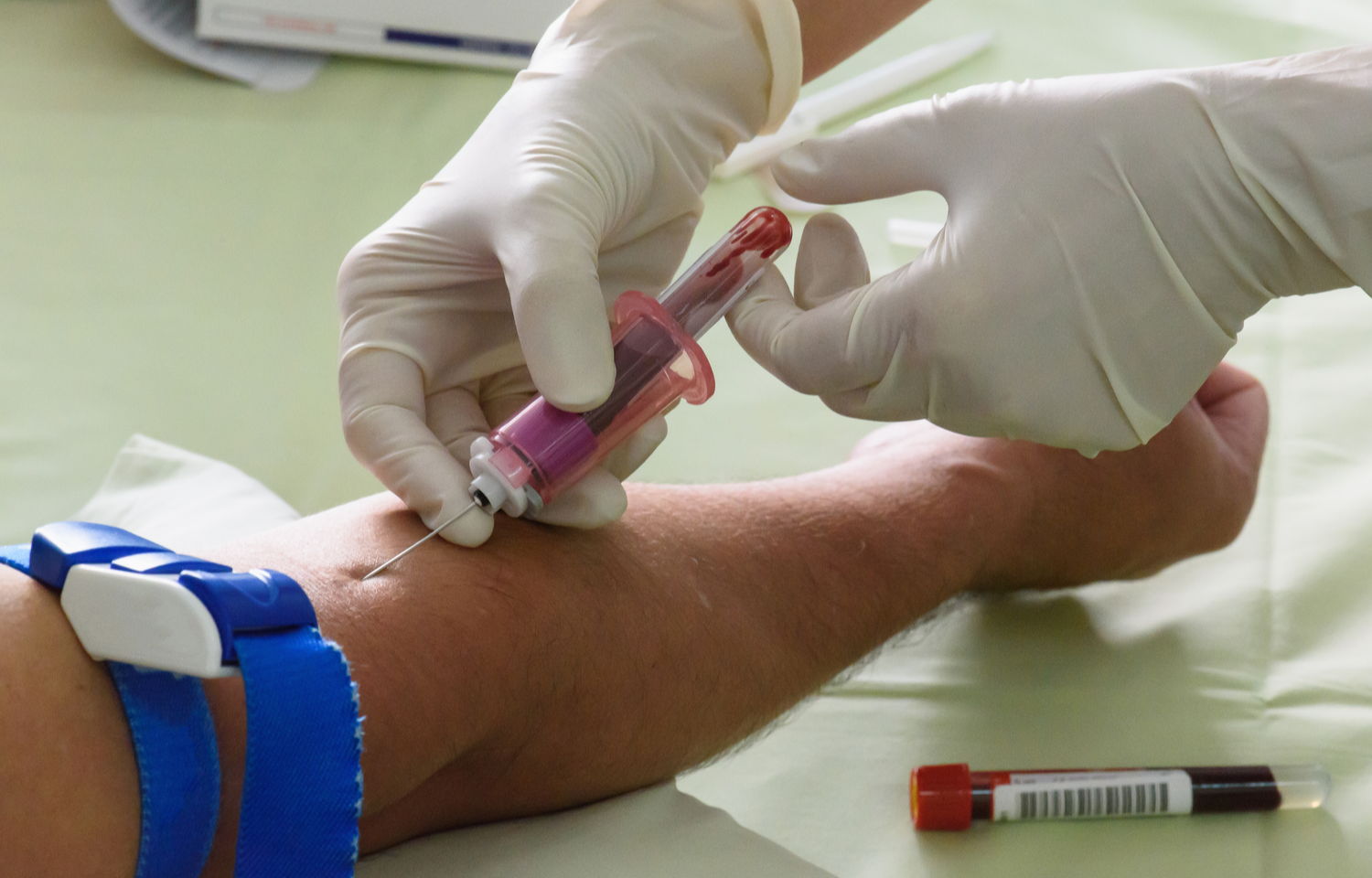
This process can take as little as 30 minutes. So if you’re thinking that refusing a breath test buys you more time or avoids a blood test entirely, that’s rarely the case under DUI blood draw warrant Texas procedures.
Are Forced Blood Draws Legal in Texas?
What the Constitution Says
The legality of forced blood draws has been challenged multiple times. However, the U.S. Supreme Court and Texas appellate courts have consistently ruled that:
- Blood draws with a valid warrant are constitutional.
- Warrantless blood draws are only allowed in “exigent circumstances” (e.g., the delay in obtaining a warrant would compromise evidence).
In other words, unless the situation is urgent, police must get a warrant if you refuse. That makes the DUI blood draw warrant Texas process both legal and commonly used.
Still, mistakes can happen. If the warrant was based on false information, issued improperly, or executed without following medical guidelines, the results could be challenged in court.
What Happens After a Blood Draw?
How the Results Are Used Against You
After your blood is collected, the sample is sent to a lab for analysis. The results are then added to the state’s evidence. Prosecutors use these results to:
- Prove your Blood Alcohol Content (BAC) was over the legal limit (0.08%)
- Show the presence of drugs (legal or illegal)
- Refute claims that you were sober or “fine to drive”
Blood test results carry significant weight in court. Juries often view them as indisputable—even though errors can and do occur. That’s why challenging the DUI blood draw warrant Texas process is a common and often effective legal defense.
Can You Challenge a DUI Blood Draw in Texas?
Yes—and Here’s How
Just because blood was taken doesn’t mean the evidence is rock solid. Defense attorneys challenge blood draw evidence in many ways, including:
- Arguing the warrant lacked probable cause
- Questioning the chain of custody for the sample
- Highlighting errors in lab testing procedures
- Showing that medical protocol was not followed
- Revealing that the sample was contaminated or improperly stored
Example: In Travis County, a man’s blood test showed a BAC of 0.11%. But his attorney uncovered that the nurse who drew the sample wasn’t licensed in Texas. The judge ruled the blood draw was not conducted according to medical standards. The evidence was suppressed, and the case was dismissed.
This kind of outcome is rare, but it highlights how technical flaws in the DUI blood draw warrant Texas process can shape a case.
Real-Life Scenario: Blood Draw After a Minor Crash
Let’s take a real story from Dallas County.
Susan was pulled over after a minor fender bender. She admitted to having two glasses of wine but passed the field sobriety tests. The officer still suspected she was over the legal limit. When she declined a breath test, the officer obtained a DUI blood draw warrant electronically and took her to a nearby clinic.
The results came back at 0.07%—just under the legal limit. Still, the prosecution used her refusal and the warrant itself to argue she knew she was impaired. Her attorney successfully argued that the blood draw was unnecessary and overreaching given the lack of signs of intoxication. The jury found her not guilty.
This is how DUI blood draw warrant Texas procedures can complicate even borderline cases.
What If You’re Unconscious or Incapacitated?
Blood Draws Without Consent
In certain cases, especially after a serious accident, police may take blood without a warrant—if they can prove exigent circumstances.
Examples include:
- A driver is unconscious and unable to consent
- Delays in getting a warrant would cause evidence to deteriorate
- There’s a pressing need to obtain evidence immediately due to medical treatment

These cases often become battlegrounds in court. Defense attorneys frequently challenge whether the emergency truly justified skipping the DUI blood draw warrant Texas step.
How Blood Draws Affect First-Time Offenders
The Stakes Are Higher Than You Think
If you’re a first-time DWI defendant, you may think a clean record gives you more leniency. That’s not always true when blood evidence is involved. A high BAC on a blood test can lead to:
- Enhanced penalties
- Mandatory ignition interlock devices
- License suspension
- Denial of deferred adjudication
- Higher insurance premiums
Blood evidence adds scientific weight to the case. Prosecutors are often less willing to negotiate when a blood test confirms intoxication. That’s why the outcome of a DUI blood draw warrant Texas case can be harsh—even for someone with no prior record.
Refusing a Blood Test: What You Risk
It’s Not Always the Best Strategy
Many drivers believe refusing a test makes it harder for the state to convict. But refusing a blood draw often backfires under DUI blood draw warrant Texas procedures.
Refusal consequences include:
- Automatic license suspension (180 days for a first offense)
- Evidence of refusal presented in court as “consciousness of guilt”
- Officers obtaining a warrant and drawing your blood anyway
- Less room for plea negotiations
In short, refusal doesn’t stop the process—it often complicates it. The better path is understanding your rights, staying calm, and letting your attorney challenge the process later.
Your Rights During the Blood Draw Process
What You Can—and Can’t—Do
While you can’t legally resist a blood draw once a warrant is issued, you still have rights:
- You can ask to speak with your attorney after the arrest
- You can question the credentials of the medical professional performing the draw
- You can request documentation about the procedure
- You can contest the warrant’s validity later in court

Knowing your rights is the first step to defending yourself. Many people facing DUI blood draw warrant Texas scenarios make mistakes not because they’re guilty—but because they panic or don’t understand the process.
Final Thoughts on DUI Blood Draw Warrant Texas Law
Blood draws have become a routine part of DUI investigations in Texas. Thanks to electronic warrants and implied consent laws, police have the tools to take your blood with or without your cooperation. But that doesn’t mean the process is flawless.
Understanding the DUI blood draw warrant Texas system helps you stay informed, exercise your rights, and work effectively with your attorney if you ever face charges. From the moment you say “no” to a breath test, the clock starts ticking on a process that can either build a strong case against you—or give your lawyer something to fight.
If there’s one key takeaway, it’s this: blood draws may feel invasive, but they’re not invincible in court. With the right knowledge, strategy, and representation, even a difficult DUI case can be challenged and—sometimes—won.