 Skip to content
When it comes to job hunting, few things cause more anxiety than a background check—especially if you have a DUI on your record. For many applicants, the moment they see that “criminal background check required” line in a job posting, their stomach drops. The truth is, a DUI doesn’t just stay in the past. It can follow you, especially when your future employment is on the line. That’s why it’s so important to understand the DUI background check’s effect on employment opportunities before you hit “submit” on your next application.
In this in-depth guide, we’ll explore how employers view DUI records, which industries are most affected, what rights you have as an applicant, and how to handle the job search process when you have a DUI in your past. With real-life examples and an analytical perspective, we’ll show you how to move forward without letting one mistake define your professional future.

What Is a DUI and How Does It Show Up on Background Checks?
A Snapshot of the Legal Side
A DUI (Driving Under the Influence) refers to operating a vehicle while impaired by alcohol or drugs. In some states like Texas, the charge may be called a DWI (Driving While Intoxicated), but for employment and background check purposes, the impact is the same.
When a DUI conviction occurs, it becomes part of your criminal record. That means it can show up during:
- Pre-employment background screenings
- Security clearance evaluations
- Professional licensing reviews
- Internal HR compliance checks
Depending on the state, a DUI may remain on your record indefinitely or for a set period unless it’s expunged or sealed. In short, the DUI background check’s effect on employment opportunities isn’t theoretical—it’s very real and can follow you for years.
Real-Life Example: Jason’s Job Offer That Vanished
Jason, a 33-year-old IT professional, had a glowing resume and sailed through several rounds of interviews for a tech firm in Dallas. After receiving a conditional job offer, the company ran a background check. That’s when they found his DUI conviction from four years prior.
Jason had completed probation, attended classes, and stayed out of trouble. But the company rescinded the offer, citing concerns about “legal risk” and “company vehicle insurance.” Just like that, his career trajectory changed.
Jason’s story shows how even a single offense can impact hiring—even if the job has nothing to do with driving. That’s why understanding the DUI background check’s effect on employment opportunities is critical when planning your job search.
How Employers Run Background Checks
It’s More Comprehensive Than You Think
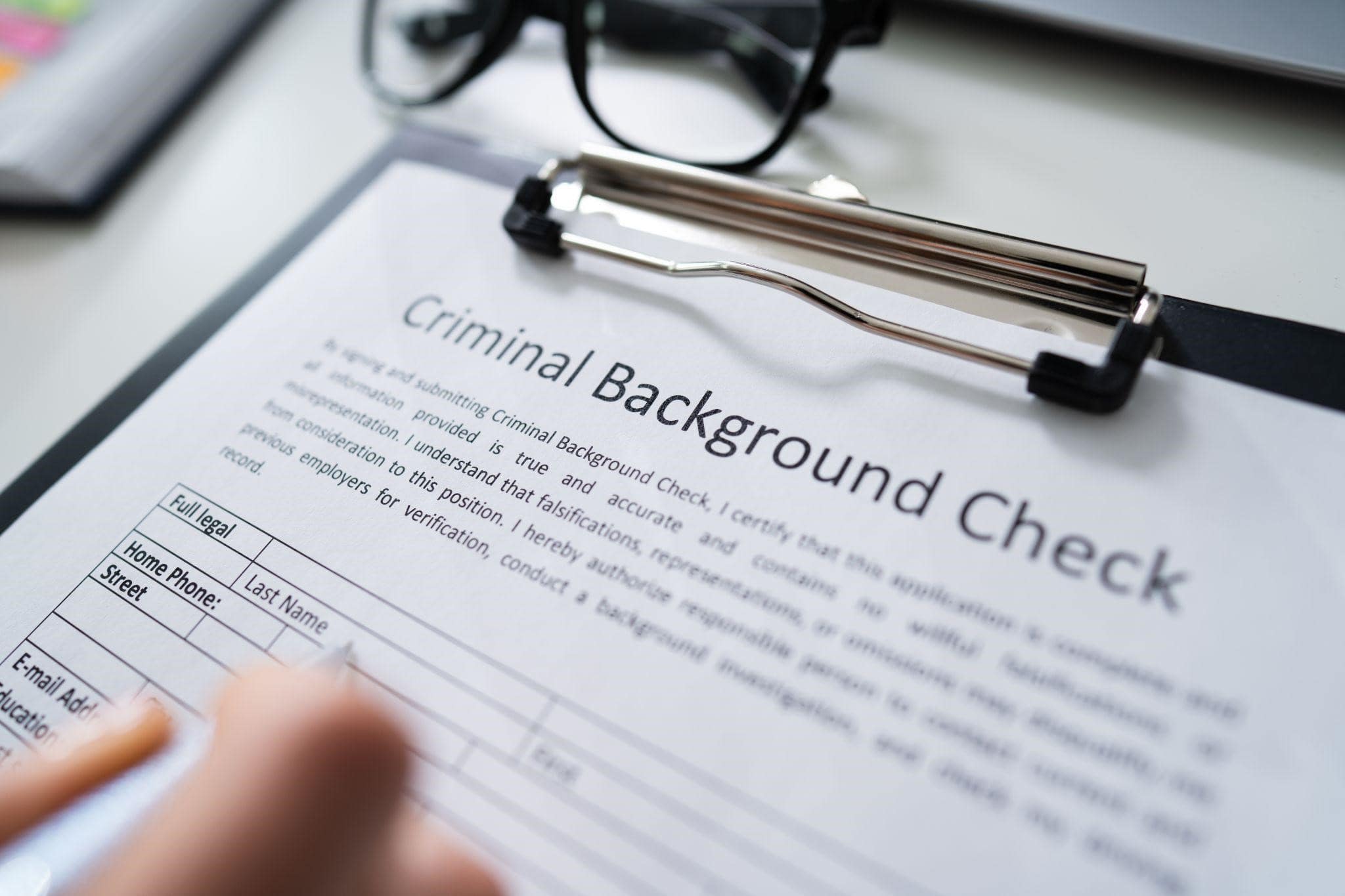
Most employers today don’t just verify your work history—they run criminal background checks that include arrests, convictions, and sometimes even dismissed charges. These checks are often conducted by third-party services that compile:
- County and state criminal records
- Federal convictions
- Driving records (especially for driving-related roles)
- Employment and education verification
- Credit history (for financial positions)
A DUI conviction—especially one that’s recent—will likely show up on these reports. Some companies even automate red flags, meaning your resume may never reach a human if a conviction triggers a filter.
That’s why the DUI background check’s effect on employment opportunities is often more damaging in the screening phase than in the interview process.
Industries Where a DUI Matters Most
Some Fields Have Zero Tolerance
Not all employers treat a DUI equally. Some industries are more restrictive due to legal, safety, or liability concerns. Here are sectors where a DUI can have the most serious impact:
1. Transportation and Logistics
Companies regulated by the Department of Transportation (DOT) have strict rules. A DUI can disqualify you from driving commercial vehicles or obtaining a CDL.
2. Healthcare
Many hospitals and clinics require a clean record, especially for positions involving vulnerable populations or access to controlled substances.
3. Education
Schools—both public and private—run extensive background checks. A DUI can make it difficult to work with children or teens, even in non-teaching roles.

4. Finance and Banking
In finance, trust is everything. A criminal record, even a non-fraud-related DUI, can raise red flags for risk-sensitive positions.
5. Government Jobs and Security Clearance
DUI convictions can affect eligibility for security clearances, which are essential in many federal and state jobs.
If you’re applying in one of these fields, the DUI background check’s effect on employment opportunities becomes much more pronounced—and more challenging to overcome.
How Long Does a DUI Stay on Your Record?
The Timeline Matters
The length of time a DUI stays on your record varies by state. In Texas, for example, a DUI remains on your criminal record permanently unless you qualify for expungement or nondisclosure.
Here’s a general breakdown:
- Criminal record: Often permanent
- Driving record: 3 to 10 years, depending on the state
- Background checks: As long as the record exists, it may be reported
Employers that run seven-year background checks may not see older offenses—but there’s no guarantee. That’s why dealing with the DUI background check’s effect on employment opportunities means not just waiting it out but taking action where possible.
Can You Get a DUI Expunged or Sealed?
Clearing the Record—If You’re Eligible
Expungement or record sealing offers hope—but it’s not available in every case. In Texas, for example, you generally can’t expunge a DUI conviction, but you may qualify for an order of nondisclosure if:
- It was your first offense
- You completed probation and met all court requirements
- Your BAC was under 0.15%
- You haven’t committed other crimes since
With nondisclosure, your record isn’t erased, but it’s hidden from most private employers. That can dramatically reduce the DUI background check’s effect on employment opportunities, especially in competitive fields.
Should You Disclose a DUI on a Job Application?
Honesty Is Usually the Best Policy
If a job application asks whether you’ve been convicted of a crime, and your DUI qualifies, you generally need to disclose it. However, how you disclose it can make all the difference.
Tips for disclosure:
- Keep it brief and factual
- Emphasize rehabilitation and personal growth
- Explain what you’ve learned and how you’ve changed
- Avoid sounding defensive or dismissive

Some applications ask only about felonies. If your DUI was a misdemeanor, you may not need to disclose it. However, be sure to read the wording carefully.
Being upfront can actually build trust, especially when paired with a strong resume and confident interview. Handling the DUI background check’s effect on employment opportunities with transparency often works better than trying to hide it.
How to Talk About a DUI in a Job Interview
Turning a Setback Into a Comeback
If a background check reveals your DUI, and the employer asks about it, be prepared to address it head-on. Here’s a framework to help you frame your response:
- Acknowledge it happened
- Take responsibility
- Explain briefly (don’t dwell on details)
- Share what you’ve done to grow
- Reassure them it won’t impact your work
Example Response:
“Yes, a few years ago I made a mistake and was convicted of a DUI. Since then, I’ve completed court-mandated programs, changed my lifestyle, and focused on professional development. I’ve remained committed to personal growth and responsibility, and I can confidently say that this won’t affect my performance in this role.”
When handled well, the DUI background check’s effect on employment opportunities can actually become an opportunity to show maturity and resilience.
Employers Who May Be Willing to Look Past a DUI
Not Every Door Closes
While some employers disqualify applicants for any criminal history, others take a case-by-case approach—especially in industries where driving isn’t part of the job.
Employers more likely to overlook a DUI include:
- Tech startups and creative firms
- Small businesses
- Retail and hospitality
- Manual labor and construction
- Companies with second-chance hiring policies
In these settings, performance and attitude often matter more than a distant mistake. Some employers even view recovery and rehabilitation as a sign of strength. That’s why the DUI background check’s effect on employment opportunities isn’t always as black-and-white as it may seem.
Real-Life Example: Brianna’s Career Recovery
Brianna was a nursing assistant with a DUI conviction from her early twenties. For years, she struggled to move up in her career due to her record. But after earning certifications and maintaining a clean record, she applied to a hospital with a progressive HR department.
She disclosed the DUI, brought character references, and explained how she’d grown. Not only did she get the job—she was promoted within six months. Her experience shows that while the DUI background check’s effect on employment opportunities is real, it’s also something you can overcome with persistence and professionalism.
Key Takeaways on DUI Background Checks and Your Job Prospects
A DUI on your record can feel like a huge barrier—but it doesn’t have to define your future. Employers are looking for responsible, trustworthy team members—and if you’ve put in the work to move past your mistake, many will give you a chance.
Understanding the DUI background check’s effect on employment opportunities is the first step toward regaining control of your career. Whether you’re seeking expungement, preparing for interviews, or tailoring your job applications, the right approach can make all the difference.
The bottom line? You are more than your record. With honesty, preparation, and a strong work ethic, you can open doors—even when your past tries to close them.

