
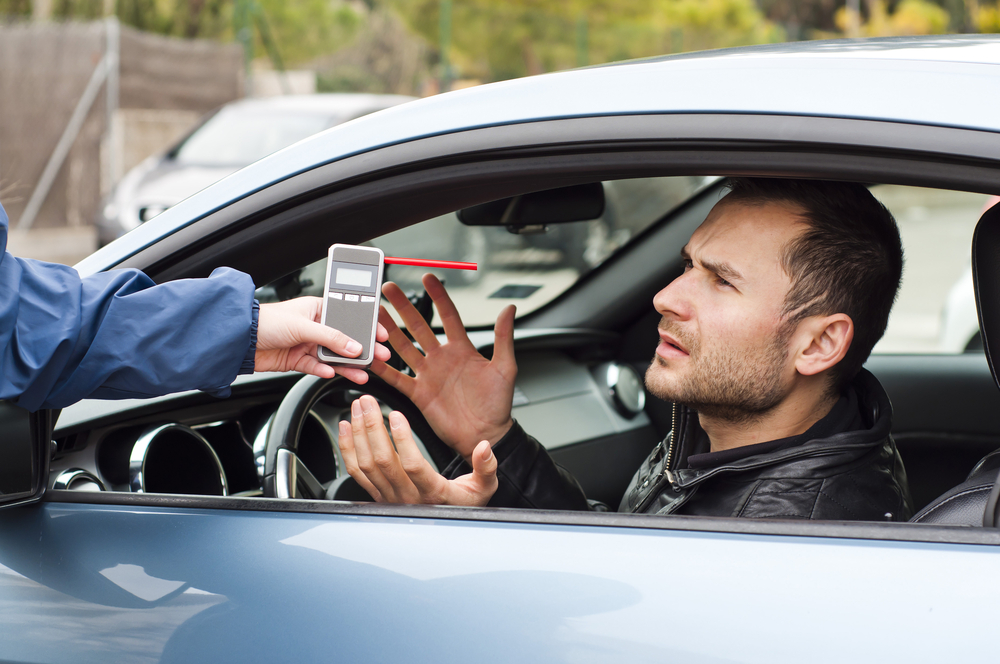
If you’re wondering whether a DUI arrest without breath test Texas is possible, the short answer is yes — absolutely. Many drivers assume that unless they blow into a breathalyzer and fail, the police can’t arrest them for DWI. However, Texas law doesn’t require a breath test for an arrest to occur. Officers can rely on observations, field sobriety tests, witness statements, and other evidence to establish probable cause. In fact, many arrests happen before any chemical test is even offered. Understanding this reality can prevent dangerous misconceptions about what protects you during a traffic stop.
In this comprehensive guide, we’ll break down exactly how a DUI arrest without breath test Texas happens, what legal standards apply, what rights you have, and what defenses may be available. We’ll also explore real-life examples and walk through the consequences of refusing testing, because sometimes refusing a breath test doesn’t prevent arrest — it actually complicates things. By the end, you’ll have a clearer picture of how these cases unfold and what strategic decisions matter most. Knowledge about the process can make a significant difference if you ever find yourself facing this situation.
The Legal Definition of DWI in Texas
It’s Not Just About the BAC Number
Under Texas Penal Code § 49.04, a person commits Driving While Intoxicated (DWI) if they operate a motor vehicle in a public place while intoxicated. Importantly, Texas defines intoxicated in two separate ways:
- Having a blood alcohol concentration (BAC) of 0.08% or more
- Not having the normal use of mental or physical faculties due to alcohol, drugs, or a combination
That second definition is the key to understanding how a DUI arrest without breath test Texas can occur. If an officer believes your mental or physical abilities are impaired — even without a chemical test — they can arrest you.
The breath test is evidence. It is not a requirement for arrest.
Probable Cause: The Foundation of an Arrest
What Officers Must Establish
To make a DUI arrest without breath test Texas, officers must establish probable cause. Probable cause exists when facts and circumstances would lead a reasonable person to believe a crime has occurred.
In DWI cases, probable cause often comes from:
- Swerving or erratic driving
- Speeding or failure to obey traffic signals
- Slurred speech
- Bloodshot or glassy eyes
- Odor of alcohol
- Open containers in the vehicle
- Poor performance on field sobriety tests
If an officer documents these indicators, they can lawfully arrest you even if you refuse a breathalyzer.
Field Sobriety Tests: The Evidence Before the Breath Test
The Role of SFSTs in DUI Arrests
In many DUI arrest without breath test Texas situations, standardized field sobriety tests (SFSTs) play a major role.
The three primary tests include:
- Horizontal Gaze Nystagmus (HGN)
- Walk-and-Turn
- One-Leg Stand
These tests are designed to measure balance, coordination, and divided attention skills. While they are voluntary, refusing them may still contribute to probable cause.
Real-Life Example:
In Fort Worth, a driver refused a breath test but failed all three field sobriety tests. The officer documented stumbling, inability to follow instructions, and red eyes. The court later ruled the arrest was valid despite no chemical test.
This illustrates how a DUI arrest without breath test Texas is legally sustainable.

Refusing a Breath Test in Texas
What Happens If You Say No?
Texas operates under an “implied consent” law. When you drive on Texas roads, you agree to submit to chemical testing if lawfully arrested for DWI.
If you refuse:
- Your license can be suspended for 180 days (first refusal)
- The refusal can be used against you in court
- Officers may seek a warrant for a blood draw
So, while refusing a breath test does not prevent a DUI arrest without breath test Texas, it often triggers automatic administrative penalties.
Warrant-Based Blood Draws
Breath Test Refusal Doesn’t End the Investigation
In many counties, officers routinely seek a judge’s warrant for a blood draw if a suspect refuses a breath test. Judges are often available on call to review affidavits.
If approved, the officer transports the suspect to a hospital or approved facility for a blood sample.
In these cases, a DUI arrest without breath test Texas simply becomes a blood-test case instead.
Can You Be Convicted Without Any Chemical Test?
Arrest vs. Conviction
A common question is whether someone can be convicted if there is no breath or blood test at all.
Yes, it is possible.
Prosecutors may rely on:
- Officer testimony
- Dashcam footage
- Bodycam footage
- Witness accounts
- Field sobriety test performance
Texas courts have upheld convictions based solely on observational evidence when it clearly demonstrated impairment.
However, the absence of chemical testing can create stronger defense opportunities.
Real-Life Scenario: Conviction Without BAC Evidence
In Austin, a driver refused both field sobriety tests and breath testing. Officers documented erratic driving and extreme slurring. Bodycam footage showed difficulty standing upright.
Despite no BAC result, the jury convicted based on the officer’s testimony and video evidence.
The case demonstrates that a DUI arrest without breath test Texas can still lead to conviction if evidence appears strong.
Defenses in DUI Arrest Without Breath Test Texas Cases
Challenging the Officer’s Observations
Because these cases rely heavily on subjective observations, defense strategies often target:
- Lack of probable cause for the traffic stop
- Improper administration of field sobriety tests
- Medical conditions affecting performance
- Officer exaggeration or inconsistencies
- Environmental factors (uneven pavement, poor lighting)
For example, certain medical conditions like vertigo, neurological disorders, or anxiety can mimic impairment symptoms.
When no chemical test exists, attacking probable cause becomes central.
Medical and Physical Explanations for “Impairment”
When It’s Not Alcohol
Officers sometimes misinterpret:
- Fatigue
- Prescription medication effects
- Low blood sugar
- Nervousness
- Speech impediments

In one Dallas case, a diabetic driver showed signs consistent with hypoglycemia. The officer assumed intoxication, but medical records later contradicted that assumption.
A skilled attorney can use these facts to weaken a DUI arrest without breath test Texas prosecution.
The Administrative License Revocation (ALR) Hearing
Separate from the Criminal Case
Even if you are arrested without a breath test, the ALR process may still apply if you refused testing.
At an ALR hearing, the state must prove:
- The officer had reasonable suspicion for the stop
- The officer had probable cause for arrest
- You were properly warned about refusal consequences
Winning the ALR hearing can prevent license suspension, even if the criminal case continues.
Impact on Insurance and Employment
The Consequences Extend Beyond Court
A DUI arrest without breath test Texas can still trigger:
- License suspension
- SR-22 requirements
- Increased insurance premiums
- Employment consequences
- Professional license issues
Even if charges are dismissed later, the arrest itself may appear in background checks.
Why Officers Don’t Need a Breath Test to Arrest
Legal Authority and Officer Discretion
Texas law does not require chemical testing for an arrest. Officers have authority to act when observable impairment exists. That authority comes from the requirement of probable cause, not from the presence of a numerical BAC result. If an officer can articulate specific facts suggesting intoxication, they can legally proceed with an arrest even without laboratory confirmation.
Chemical tests strengthen cases, but they are not prerequisites. A breath or blood result simply adds another layer of evidence for prosecutors to use in court. However, the absence of such testing does not automatically weaken the state’s position if other evidence appears convincing to a judge or jury.
This legal reality explains why a DUI arrest without breath test Texas happens more often than people think. Many drivers mistakenly believe refusing testing prevents arrest, when in fact it only shifts the evidentiary focus. Understanding this distinction can help individuals make more informed decisions during a traffic stop and afterward.
Is Refusing a Breath Test Ever a Good Strategy?
It Depends on the Situation
Refusing may prevent immediate BAC evidence, but it also:
- Guarantees administrative penalties
- Encourages warrant blood draws
- Can be presented as consciousness of guilt
Every situation differs. There is no universal answer.
Consulting a DWI attorney immediately after arrest is critical.
Real-Life Redemption Story
In San Antonio, a driver refused all testing. Officers arrested him based on poor field sobriety performance.
However, dashcam footage revealed minimal driving violations. The defense argued lack of probable cause.
The prosecutor dismissed the case before trial.
This shows that while a DUI arrest without breath test Texas can occur easily, conviction is not guaranteed.
Final Thoughts: DUI Arrest Without Breath Test Texas
If you’re wondering whether a DUI arrest without breath test Texas is possible, the short answer is yes — absolutely. Many drivers assume that unless they blow into a breathalyzer and fail, the police can’t arrest them for DWI. However, Texas law doesn’t require a breath test for an arrest to occur. Officers can rely on observations, field sobriety tests, witness statements, and other evidence to establish probable cause. In fact, many arrests happen long before any chemical test is even requested, based solely on roadside behavior and officer documentation.
In this comprehensive guide, we’ll break down exactly how a DUI arrest without breath test Texas happens, what legal standards apply, what rights you have, and what defenses may be available. We’ll also explore real-life examples and walk through the consequences of refusing testing, because sometimes refusing a breath test doesn’t prevent arrest — it actually complicates things. By understanding how these cases unfold, you’ll be better equipped to protect your rights and make informed decisions if you ever face this situation.