
DUI accident liability insurance Texas cases rarely unfold the way drivers expect, and DUI accident liability insurance Texas disputes often become more complicated than the criminal charge itself. When alcohol enters the picture, insurance companies start calculating risk, exposure, and payout strategy immediately. What might have been a straightforward car wreck claim quickly transforms into a layered legal and financial battle.
Imagine this: It’s a Friday night in Houston. A driver leaves a restaurant after having “just a couple of drinks.” Minutes later, a collision occurs at an intersection. No one planned it. No one expected it. Yet within hours, the police report includes a DWI arrest. Now the focus shifts from vehicle damage to DUI accident liability insurance Texas implications.
This is where many people misunderstand how things work. A DUI arrest does not automatically mean insurance disappears. At the same time, it does not mean coverage will be smooth. The intersection between intoxication and liability insurance creates tension between criminal law, civil liability, and insurance policy obligations.
Let’s break it down.

Understanding DUI Accident Liability Insurance Texas Framework
Texas operates under a fault-based auto insurance system. In other words, the driver who causes the accident is financially responsible for resulting damages. Liability insurance exists to cover that responsibility—up to policy limits.
Standard liability coverage in Texas typically includes:
- Bodily injury to others
- Property damage to others
The state minimum requirements are:
- $30,000 per injured person
- $60,000 per accident for bodily injury
- $25,000 for property damage
On paper, those limits may appear sufficient. However, DUI insurance liability Texas cases often involve more severe collisions. Alcohol impairs reaction time, judgment, and coordination. As a result, crashes linked to intoxication frequently produce serious injuries and extensive vehicle damage.
Because of that increased severity, claims often exceed minimum policy limits. Consequently, exposure expands beyond what drivers anticipate.
Does Insurance Cover a DUI Accident in Texas?
One of the most common questions in DUI accident liability insurance Texas cases is simple: Will insurance still pay if the driver was intoxicated?
In most situations, yes. Standard Texas auto policies do not exclude coverage simply because the driver was intoxicated. Insurance companies are still obligated to defend their insured and pay covered claims up to policy limits.
However, that does not mean the driver escapes consequences. Instead, DUI accident liability insurance Texas claims often trigger:
- Premium increases
- Policy cancellation or non-renewal
- Requirement of SR-22 filing
- Higher future coverage costs
Coverage exists, but consequences follow.
The Criminal Case vs. The Insurance Claim
It is important to separate the criminal DWI charge from DUI accident liability insurance Texas civil claims. They move on separate tracks.
The criminal case focuses on:
- Blood alcohol concentration
- Field sobriety tests
- Criminal penalties
Meanwhile, the insurance claim focuses on:
- Fault
- Damages
- Medical expenses
- Lost wages
- Property damage
Although separate, the two cases influence each other. For example, a DWI conviction can significantly strengthen a personal injury lawsuit connected to DUI accident liability insurance Texas disputes.
In civil court, intoxication can support arguments for gross negligence.
Gross Negligence and Punitive Damages
Here is where DUI accident liability insurance Texas cases become especially complex.
In Texas, gross negligence can open the door to punitive damages. Unlike compensatory damages, punitive damages are designed to punish and deter reckless behavior.
Driving while intoxicated often qualifies as gross negligence. Consequently, plaintiffs may pursue exemplary damages beyond basic medical bills and repair costs.
Now here’s the critical twist: many insurance policies do not cover punitive damages.
This means a driver may have liability insurance covering compensatory damages but still face personal financial exposure for punitive awards.
That is a major complication in DUI accident liability insurance Texas litigation.
Real-Life Scenario: When Policy Limits Are Not Enough
Consider a realistic example.
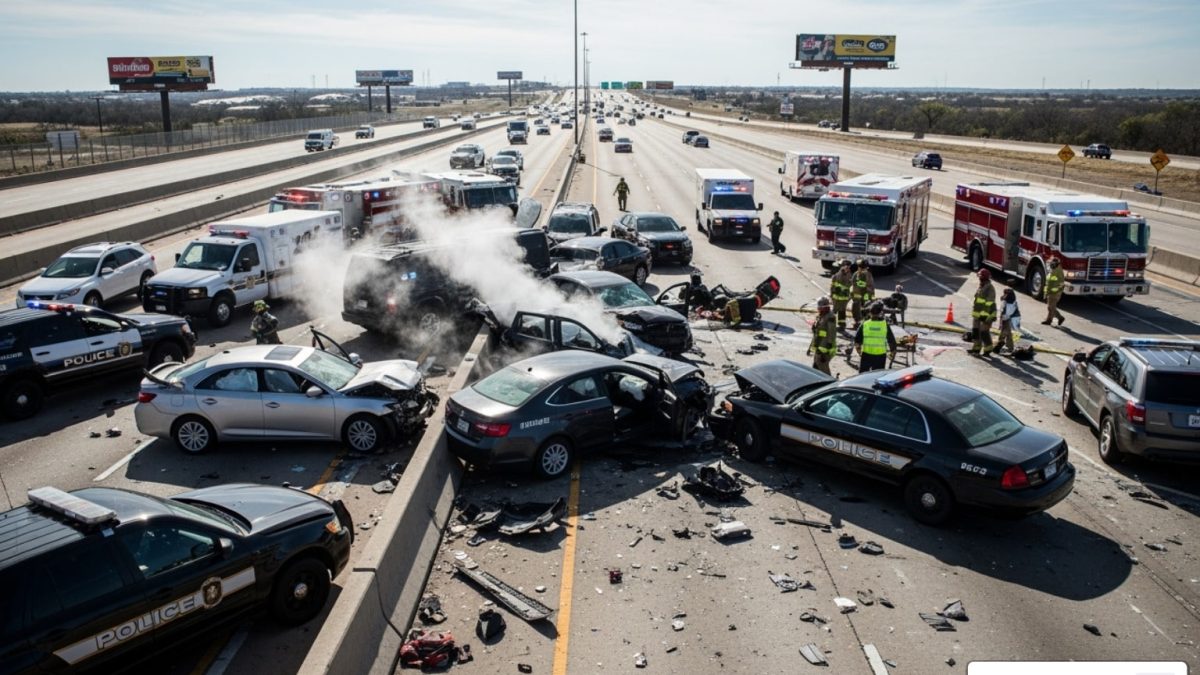
Michael, a 32-year-old Dallas resident, leaves a party intoxicated. He runs a red light and crashes into a family vehicle. The family suffers serious injuries requiring surgeries and extended rehabilitation.
Michael carries minimum liability coverage. Medical bills alone exceed $200,000.
In this DUI accident liability insurance Texas situation:
- His insurance pays up to $60,000 total for bodily injury.
- The remaining damages become his personal responsibility.
Additionally, the injured family may pursue punitive damages because of intoxication.
Insurance does not shield him entirely. Instead, it acts as a partial buffer.
How Insurance Companies Investigate DUI Accident Claims
When a DUI accident liability insurance Texas claim arises, insurers act quickly. They examine:
- Police reports
- Toxicology results
- Witness statements
- Crash reconstruction data
- Vehicle damage
- Medical documentation
Insurance adjusters analyze whether the driver violated policy conditions. While intoxication alone may not void coverage, other violations—such as intentional acts or misrepresentation—can complicate matters.
Furthermore, insurers evaluate exposure carefully. DUI cases often involve higher settlement values due to jury perceptions.
Jurors tend to view drunk driving harshly. Insurers know this. As a result, settlement negotiations often reflect heightened risk.
Victim Perspective in DUI Accident Liability Insurance Texas Cases
From the victim’s standpoint, DUI accident liability insurance Texas claims can be emotionally charged.
Victims may feel anger knowing intoxication caused their injuries. That emotional element sometimes influences litigation strategy.
Plaintiff attorneys often emphasize:
- Recklessness
- Disregard for public safety
- Preventable harm
This framing can increase settlement pressure.
Additionally, victims may pursue claims against:
- Bars under dram shop laws
- Employers (if driving occurred during work duties)
- Vehicle owners who negligently entrusted the vehicle
Thus, DUI accident liability insurance Texas cases sometimes expand beyond a single driver.
Dram Shop Liability in Texas
Texas Dram Shop laws allow injured parties to sue alcohol providers who overserve visibly intoxicated individuals.
If a bar serves someone who is clearly intoxicated and that person causes a crash, the establishment may share liability.
In DUI accident liability insurance Texas litigation, this introduces another layer of insurance coverage.
Now there may be:
- The driver’s auto liability policy
- The bar’s commercial general liability policy
This multi-party dynamic increases complexity but may expand recovery options for victims.
Uninsured and Underinsured Motorist Coverage
Sometimes the intoxicated driver lacks sufficient coverage. In those cases, victims turn to their own uninsured or underinsured motorist (UM/UIM) policies.
Under Texas law, UM/UIM coverage can compensate victims when the at-fault driver’s policy limits fall short.
Therefore, DUI accident liability insurance Texas disputes often involve negotiations between multiple insurers.
Each carrier analyzes fault, damages, and policy language differently.
Policy Cancellation After a DUI Accident
After resolving a DUI accident liability insurance Texas claim, many drivers face policy non-renewal.
Insurance companies classify DUI drivers as high-risk. Premiums may double or triple. Some insurers refuse renewal entirely.
The driver may need:
- High-risk insurance carriers
- SR-22 certificate filing
- Increased financial responsibility proof
This financial burden can last years.
Civil Lawsuits Beyond Insurance Coverage
Even when insurance pays its limits, plaintiffs may sue the driver personally.
In DUI accident liability insurance Texas cases involving catastrophic injuries, damages can exceed $1 million.
If policy limits are insufficient, personal assets become vulnerable.
This includes:
- Savings accounts
- Real estate equity
- Investment accounts
Texas does protect certain assets, such as homestead property, but exposure remains significant.
Comparative Fault in DUI Accidents
Texas follows a modified comparative fault rule. If a victim is more than 50% at fault, recovery is barred.
However, in DUI accident liability insurance Texas cases, intoxication often weighs heavily against the drunk driver.
Even if the victim shares minor fault, juries frequently assign greater responsibility to the intoxicated driver.
This dynamic influences settlement negotiations.
Insurance Defense Strategy in DUI Cases
Insurance defense attorneys approach DUI accident liability insurance Texas cases carefully.
They may argue:
- The accident would have occurred regardless of intoxication
- The victim contributed to the crash
- Injuries are exaggerated
- Medical treatment was unnecessary
However, defending intoxication cases is challenging because juries react strongly to drunk driving evidence.
Therefore, insurers sometimes push for early settlement to avoid unpredictable jury awards.
How a DUI Conviction Impacts Civil Liability
A DWI conviction can serve as persuasive evidence in civil litigation. While not automatically dispositive, it strengthens negligence claims.
In DUI accident liability insurance Texas disputes, a guilty plea may accelerate settlement because liability becomes harder to contest.
Conversely, if criminal charges are dismissed, civil liability still remains possible. The burden of proof in civil cases is lower than in criminal cases.
Financial Ripple Effects of DUI Accident Liability Insurance Texas Cases
The consequences extend far beyond immediate claim payments.
Drivers often face:
- Increased premiums for 3–5 years
- Loss of preferred insurance rates
- Difficulty obtaining coverage
- Employment complications (if driving is job-related)
Thus, DUI accident liability insurance Texas consequences persist long after court appearances conclude.
Real-World Case Study: Multi-Vehicle Highway Collision
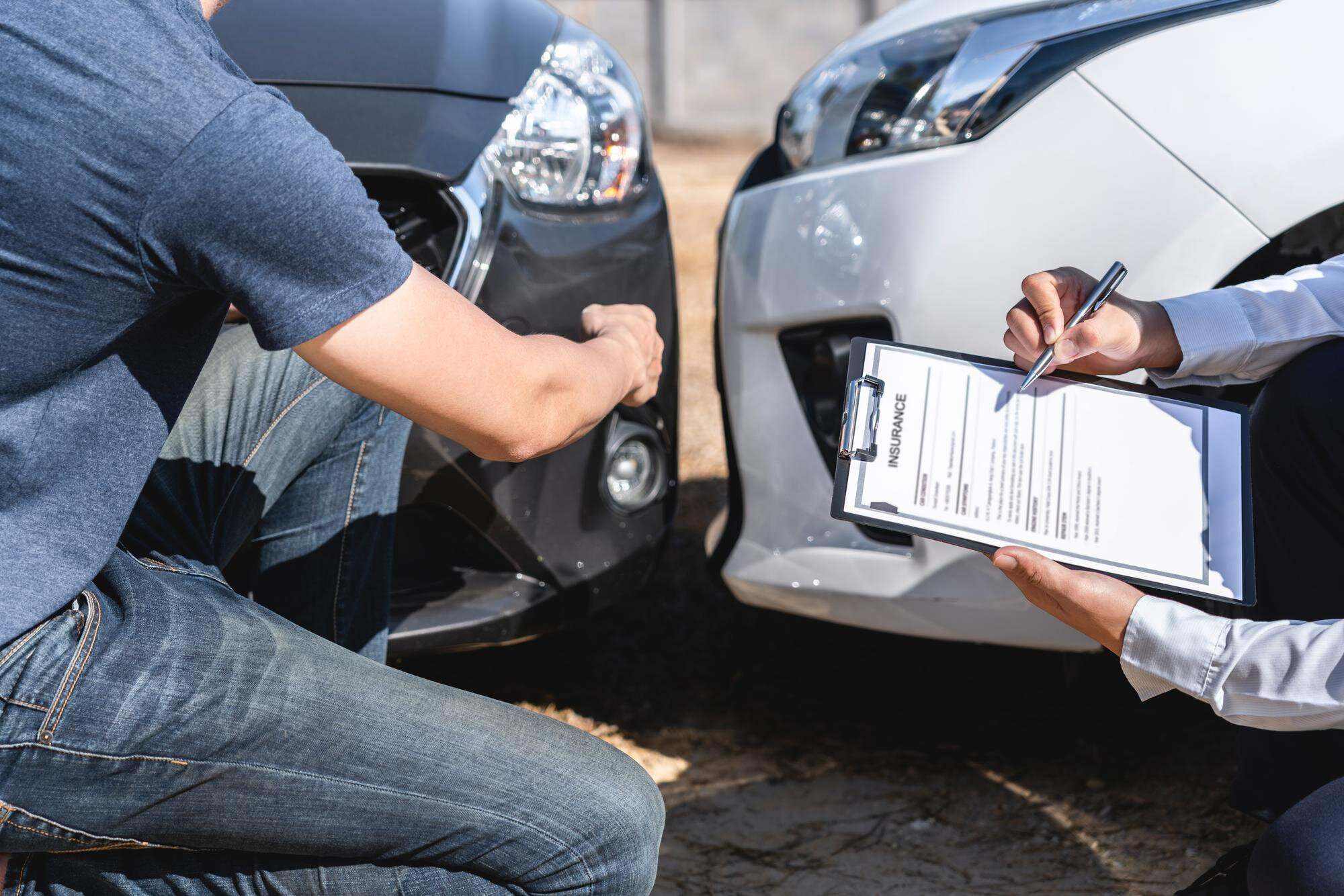
On a Texas interstate, an intoxicated driver rear-ends a pickup truck, triggering a chain reaction involving three vehicles.
In this DUI accident liability insurance Texas case:
- Multiple injured parties file claims.
- Property damage exceeds $100,000.
- One victim requires spinal surgery.
The at-fault driver carries $100,000 per accident limits.
Total damages exceed $750,000.
Now insurers must allocate limited funds among claimants. Negotiations become complex. Victims may compete for policy proceeds.
Meanwhile, attorneys prepare for potential excess judgments against the driver personally.
This scenario illustrates how quickly exposure escalates.
Settlement vs. Trial in DUI Accident Cases
Most DUI accident liability insurance Texas claims settle. However, the path to settlement depends on:
- Severity of injuries
- Policy limits
- Evidence strength
- Plaintiff’s willingness to litigate
When punitive damages are pursued, trial risk increases.
Insurance carriers weigh potential jury outrage carefully. Drunk driving cases carry emotional weight.
The Analytical Perspective: Why DUI Changes Insurance Dynamics
From an analytical standpoint, DUI accident liability insurance Texas cases complicate liability for three main reasons:
- Intoxication increases perceived recklessness.
- Injury severity tends to be higher.
- Public policy strongly condemns drunk driving.
Because of these factors, settlement values often rise.
Moreover, insurers must balance contractual obligations with risk mitigation strategies.
Long-Term Legal Strategy Considerations
For drivers facing DUI accident liability insurance Texas exposure, early legal strategy matters.
Coordinating criminal defense and civil defense can protect rights. Statements made in criminal proceedings may affect civil claims.
For victims, understanding available insurance layers—including dram shop and UM/UIM coverage—maximizes recovery potential.

Conclusion: The Hidden Complexity of DUI Accident Liability Insurance Texas
DUI accident liability insurance Texas disputes reveal how one decision can ripple through criminal courts, civil litigation, and insurance systems simultaneously. Although insurance typically covers damages up to policy limits, intoxication dramatically complicates fault analysis, settlement dynamics, and long-term financial consequences.
In Texas, drunk driving does not eliminate insurance coverage—but it intensifies scrutiny, increases exposure, and amplifies risk. The legal and financial aftermath often lasts years beyond the initial crash.
If you would like me to expand this article further to reach a higher word count with deeper statutory analysis, additional case scenarios, and more strategic discussion, let me know and I will continue building on this foundation.