 Skip to content
Can you get a DWI on an ATV? It is one of the most common questions Texas riders ask, especially after spending a day on trails, ranches, hunting land, or off-road parks. Many people assume DWI laws only apply to cars and trucks on public roads. Because ATVs are designed for off-road recreation, riders often believe they can legally operate them after drinking as long as they stay away from highways.
That assumption can lead to serious legal trouble.
Imagine a group of friends enjoying a weekend ride on a large piece of rural property. As the day goes on, alcohol becomes part of the gathering. One rider decides to take another lap around the property after a few drinks. During the ride, he leaves private land and enters a nearby public road. A deputy notices erratic driving, initiates a stop, and soon begins a DWI investigation. What started as a recreational outing suddenly becomes a criminal matter.
Situations like this happen more often than people think.
The answer to the question, can you get a DWI on an ATV, depends on several factors, including where the ATV is being operated, the circumstances surrounding the incident, and how Texas law applies to the situation. Understanding these issues is important because many ATV riders unknowingly expose themselves to legal risks.

Why ATV Riders Often Think DWI Laws Do Not Apply
Most people associate DWI charges with traditional vehicles.
When they think about drunk driving laws, they picture:
- Cars
- Trucks
- SUVs
- Motorcycles
ATVs feel different because they are recreational vehicles commonly used on private land and off-road trails.
As a result, many riders assume standard DWI laws do not apply.
The problem is that legal reality does not always match common assumptions.
What Makes ATVs Different?
ATVs are designed primarily for off-highway use.
They are commonly used for:
- Recreation
- Hunting
- Ranching
- Outdoor activities
Because they are not typically driven on public highways, riders often view them differently than ordinary vehicles.
However, ATVs are still motorized vehicles capable of causing serious injuries when operated recklessly or while impaired.
That fact plays a major role in answering the question: can you get a DWI on an ATV?
Why Alcohol and ATV Riding Can Be a Dangerous Combination
Operating an ATV requires concentration and coordination.
Safe riding depends on:
- Balance
- Judgment
- Reaction time
- Awareness of terrain
Alcohol affects all of those abilities.
Even experienced riders may struggle to:
- React quickly
- Navigate obstacles
- Control speed
- Make safe decisions
The risks increase dramatically when rough terrain, darkness, or unfamiliar trails are involved.
A Common Real-World Scenario
A Texas hunter uses an ATV to move equipment around a large hunting lease. After spending time at camp with friends and consuming alcohol, he decides to ride to another section of the property.
At first everything seems fine.
Then he loses control while crossing uneven terrain and crashes into a fence. No one else is involved, but witnesses call for help. Law enforcement responds and begins investigating whether intoxication played a role.
This type of situation highlights why ATV-related DWI issues continue to attract legal attention.
Can You Get a DWI on an ATV in Texas?
The short answer is that it is possible under certain circumstances.
Texas law focuses heavily on factors such as:
- Vehicle operation
- Intoxication
- Location
Many people mistakenly assume that because an ATV is not a passenger vehicle, DWI laws cannot apply.
That belief is often incorrect.
The specific facts of each case matter significantly.
Why Location Matters So Much
Location is often one of the most important factors in ATV-related DWI investigations.
ATVs commonly move between:
- Private property
- Trails
- Public roads
- Recreation areas
A rider who starts on private land may eventually enter a location considered public.
Once public access becomes involved, legal risks often increase substantially.
This is one reason the question can you get a DWI on an ATV does not have a simple yes-or-no answer.
Public Roads Create Greater Risk
Many ATV riders occasionally use public roads for convenience.
They may:
- Cross between properties
- Access gas stations
- Reach trail entrances
These short trips often feel harmless.
However, public road use may attract law enforcement attention far more quickly than riding on private land.
When alcohol is involved, the situation becomes even more serious.
ATV Accidents and DWI Investigations
Many ATV-related DWI investigations begin after accidents.
Common ATV accidents involve:
- Rollovers
- Collisions
- Loss of control
- Ejections
When officers respond to a crash and suspect impairment, they often investigate just as they would after a traditional vehicle accident.
As a result, riders may face legal scrutiny even when they never intended to violate the law.
Signs Officers Look For
Law enforcement officers are trained to identify possible signs of intoxication.
Common observations include:
- Slurred speech
- Bloodshot eyes
- Alcohol odor
- Poor balance
- Erratic operation
When these signs appear alongside ATV operation, officers may begin a DWI investigation.
Field Sobriety Tests and ATV Cases
ATV riders may encounter the same field sobriety tests used in standard DWI investigations.
These may include:
- Walk-and-turn tests
- One-leg stand tests
- Eye movement evaluations
The results often become important evidence in determining whether intoxication existed.
Breath and Blood Testing
Chemical testing frequently plays a major role in these cases.
Depending on the circumstances, officers may request:
- Breath samples
- Blood samples
The results often become central evidence in any subsequent prosecution.
Private Property Does Not Always Eliminate Risk
One of the biggest misconceptions surrounding the question can you get a DWI on an ATV is that private property automatically protects riders from legal consequences.
Many people believe:
“If I’m on private land, I can do whatever I want.”
The reality is more complicated.
Legal analysis often depends on:
- Property accessibility
- Public access
- Specific circumstances
This is why relying on assumptions can be dangerous.
Hunting Leases and ATV Use
ATVs are common on hunting properties throughout Texas.
Hunters frequently use them to:
- Transport gear
- Move between stands
- Access remote locations
Alcohol consumption sometimes becomes part of social activities at hunting camps.
Combining the two can create serious safety and legal concerns.
Recreational Parks and Off-Road Areas
Public riding parks create additional legal considerations.
Many off-road parks involve:
- Shared trails
- Public access
- Organized events
Law enforcement presence is often greater in these environments than riders expect.
As a result, intoxicated operation may attract attention more quickly.
Common Myths About ATV DWI Charges
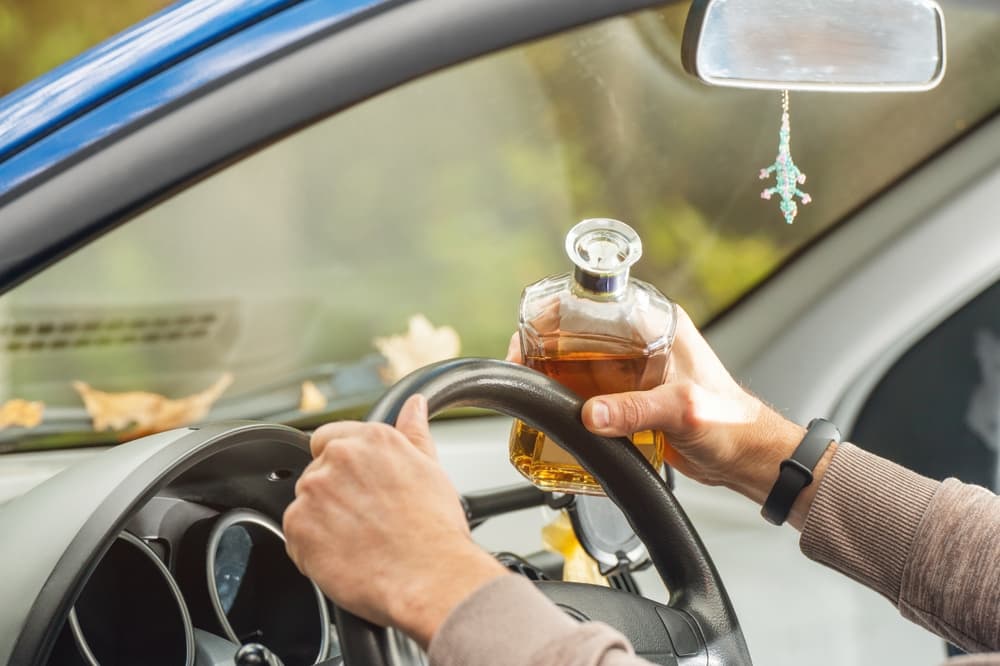
Several myths continue to circulate among riders.
One myth is that ATVs are not real vehicles for legal purposes.
Another is that DWI laws only apply to highway driving.
A third is that no accident means no criminal case.
All of these assumptions can create problems because legal outcomes depend on facts, not rumors.
Insurance Consequences
Even when criminal penalties are avoided, ATV-related incidents may create insurance issues.
Potential consequences include:
- Higher premiums
- Coverage disputes
- Claim denials
Financial consequences often continue long after the legal process ends.
How Prosecutors View ATV DWI Cases
Prosecutors often focus on public safety.
From their perspective, intoxicated ATV operation creates risks similar to those associated with impaired driving in other vehicles.
Arguments frequently emphasize:
- Potential injuries
- Dangerous decision-making
- Community safety
The vehicle’s recreational nature does not automatically eliminate those concerns.
Defending Against ATV DWI Allegations
Every case depends on its specific facts.
Possible issues may involve:
- Location questions
- Testing procedures
- Investigation methods
- Evidence reliability
Because circumstances vary significantly, legal outcomes often depend on detailed factual analysis.
Lessons Many Riders Learn Too Late
Many ATV riders never think about DWI laws until an arrest occurs.
By then, they often realize:
- ATVs are not exempt from legal scrutiny
- Public areas matter
- Alcohol affects off-road operation just as it affects highway driving
Unfortunately, these lessons often arrive during stressful circumstances.
How Riders Can Reduce Risk
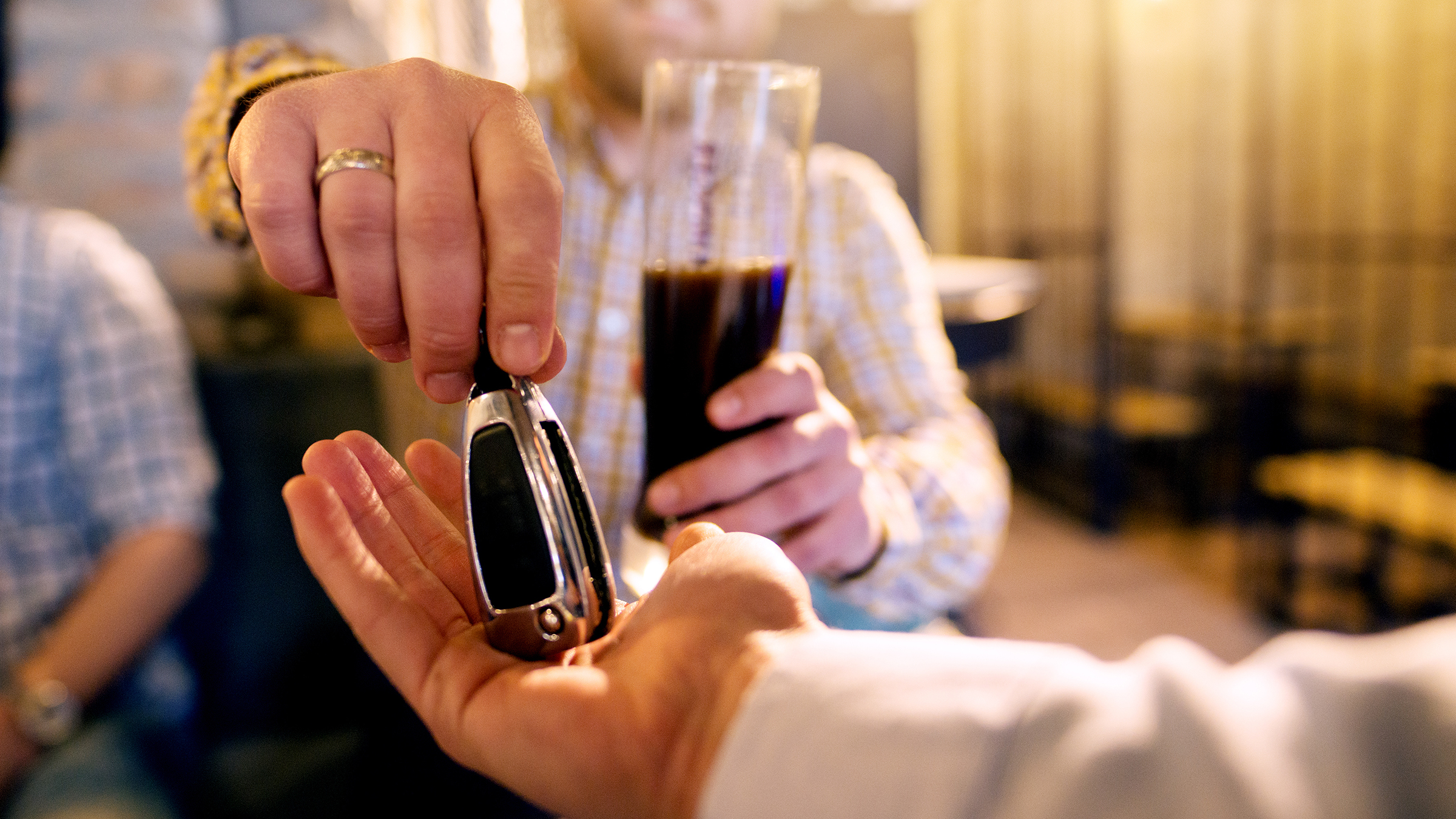
The safest strategy is simple: avoid operating an ATV after drinking.
Planning ahead can prevent both accidents and legal problems.
Options include:
- Designating a sober rider
- Using alternative transportation
- Waiting until sober
Small decisions often prevent major consequences.
Conclusion
The question can you get a DWI on an ATV is more important than many Texas riders realize. While ATVs are designed for recreation and off-road use, that does not automatically place them outside the reach of intoxication-related laws. Factors such as location, public access, officer observations, and chemical testing often determine whether legal consequences become possible.
Many ATV riders mistakenly believe DWI laws only apply to traditional passenger vehicles. However, alcohol-related ATV operation can create significant safety concerns, particularly when public roads, recreational parks, or other accessible areas are involved.
Beyond potential criminal consequences, impaired ATV operation can lead to serious injuries, financial losses, insurance problems, and long-term complications. Understanding these risks helps riders make informed decisions and avoid situations that could affect their safety, freedom, and future.
Ultimately, the safest answer to the question can you get a DWI on an ATV is to avoid testing the issue in the first place. Responsible riding and sober decision-making remain the best ways to enjoy Texas trails, ranches, and outdoor adventures without unnecessary legal trouble.

