 Skip to content
Anyone who’s driven through Texas knows it’s a state that takes its roads—and its laws—very seriously. When it comes to alcohol and operating a vehicle, the state’s stance is even more firm. Whether you’re a first-time visitor or a lifelong resident, knowing the alcohol and driving regulations in Texas could save you from legal trouble, financial disaster, or even a life-altering accident.
In this article, we’ll unpack alcohol and driving regulations in Texas in a way that’s easy to understand and surprisingly engaging. We’ll talk legal limits, real-world enforcement, penalties, and what to expect if you or someone you know is stopped for driving under the influence. With examples drawn from real cases and a tone that skips the legalese, this guide is all about giving you knowledge you can actually use.
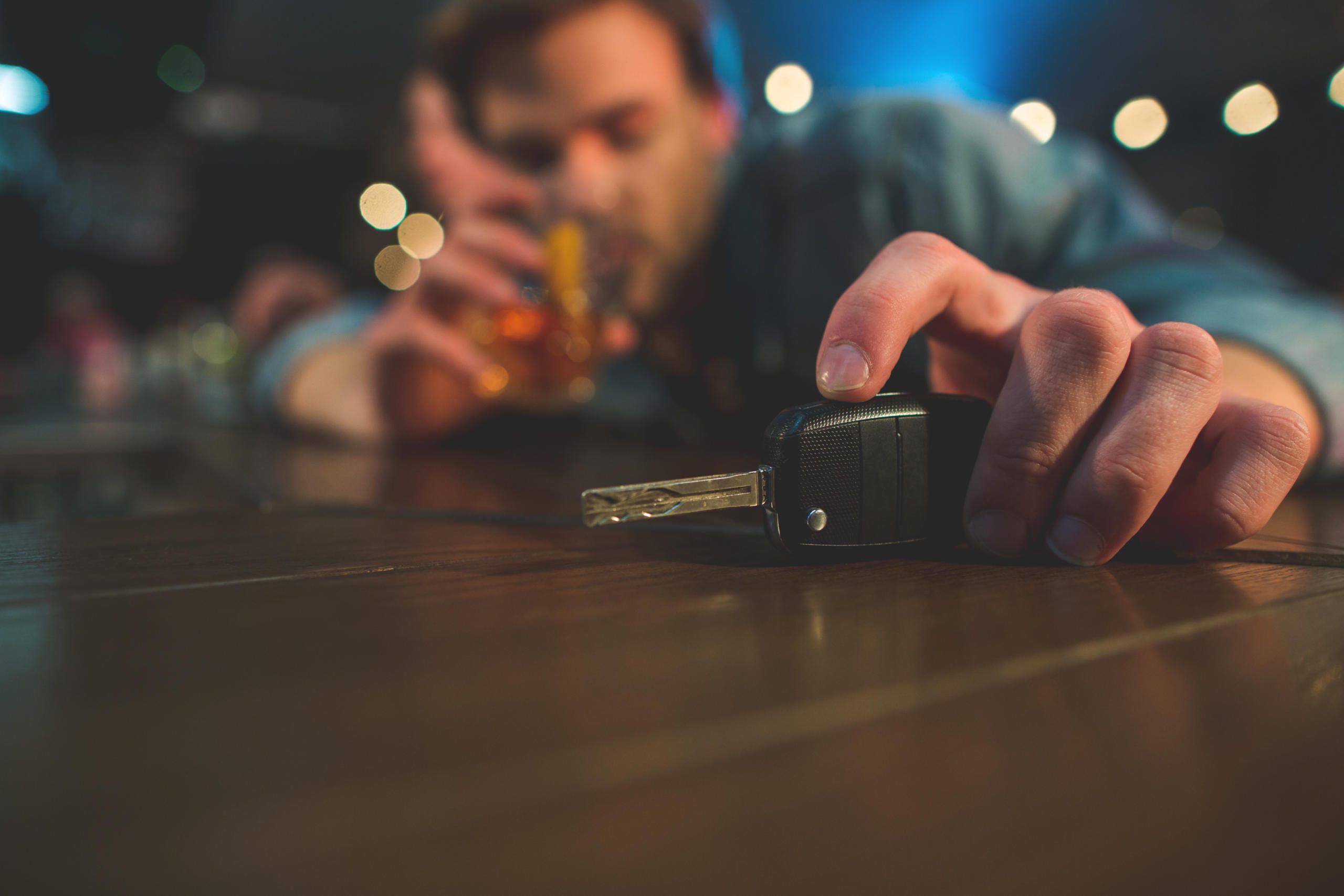
What the Law Says About Alcohol and Driving in Texas
Setting the Legal Limit
Texas law defines driving while intoxicated (DWI) as operating a motor vehicle in a public place while impaired by alcohol, drugs, or a combination of both. The most commonly referenced part of the law involves blood alcohol concentration, or BAC.
Here are the BAC thresholds under alcohol and driving regulations in Texas:
- 0.08% or higher for adults 21 and older
- 0.04% for commercial drivers
- Any detectable amount for drivers under 21 (zero-tolerance policy)
It’s important to note that you can still be arrested and convicted even if your BAC is under the legal limit if you’re showing signs of impairment. Officers look for slurred speech, erratic behavior, bloodshot eyes, and the smell of alcohol. If they believe you’re not in control of your faculties, you could still face charges.
How Alcohol Affects BAC and Driving Ability
It Doesn’t Take Much
People often assume they can have “just a couple drinks” and still drive legally. But what counts as impaired varies from person to person.
BAC is influenced by several factors:
- Body weight
- Gender
- Rate of alcohol consumption
- Food intake
- Type of alcohol consumed
For example, a 160-pound man might hit 0.08% after three drinks in an hour. For a woman of the same weight, it could take just two drinks. Texas doesn’t care how “fine” you feel—if your BAC crosses the line or your behavior raises concern, you’re in violation of alcohol and driving regulations in Texas.
Field Sobriety Tests and Chemical Testing
What Happens During a Traffic Stop?
When you’re pulled over under suspicion of DWI, the officer will likely perform a field sobriety test. These are standardized tasks that evaluate balance, coordination, and eye movement. They include:
- Horizontal Gaze Nystagmus (eye tracking)
- Walk-and-Turn
- One-Leg Stand
If the officer still suspects impairment, you’ll be asked to submit to a chemical test, such as a breathalyzer or blood draw, to determine your BAC.
Texas follows the implied consent law, which means by driving on public roads, you’ve legally agreed to take a chemical test if lawfully arrested. Refusing the test carries its own set of penalties, regardless of whether you were impaired.
This is where alcohol and driving regulations in Texas get strict: refusal can lead to a 180-day license suspension, even if you’re never convicted.
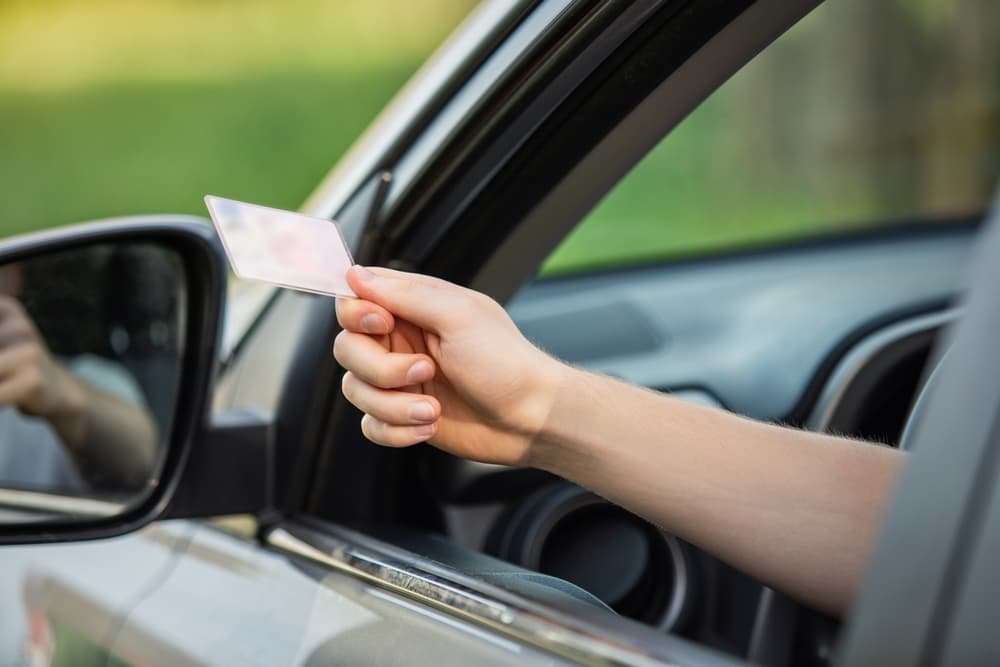
Real-Life Example: One Decision, Major Consequences
Take the case of Marcus, a 28-year-old accountant from Fort Worth. After two beers at happy hour, he felt fine to drive. On the way home, he was pulled over for a busted taillight. The officer smelled alcohol, and Marcus admitted to drinking. He passed the field sobriety test, but his BAC was 0.09%.
Marcus was charged with DWI. He lost his license for six months, paid over $7,000 in fines, fees, and insurance hikes, and had to install an ignition interlock device on his car.
This illustrates how alcohol and driving regulations in Texas don’t leave much wiggle room—especially once your BAC hits or passes that critical 0.08%.
Penalties for Violating Alcohol and Driving Regulations in Texas
What’s at Stake if You’re Convicted
Penalties vary depending on the offense number, BAC level, and whether anyone was injured. But here’s a general breakdown under Texas law:
First Offense (Class B Misdemeanor):
- Up to 180 days in jail
- $2,000 fine
- License suspension for up to 1 year
- Annual surcharge of up to $2,000 for three years
- Possible ignition interlock requirement
Second Offense (Class A Misdemeanor):
- Up to 1 year in jail
- Up to $4,000 in fines
- 180-day to 2-year license suspension
- Mandatory alcohol education or treatment
- Longer interlock device period
Third Offense (Third-Degree Felony):
- 2 to 10 years in prison
- Up to $10,000 in fines
- 2-year license suspension
- Mandatory treatment and extended probation
Texas also enforces additional penalties for:
- Driving with a minor under 15 in the vehicle
- Causing injury or death while intoxicated
- Commercial drivers and underage drivers
The point is clear: alcohol and driving regulations in Texas are designed to discourage repeat behavior and protect public safety.
License Suspension and the ALR Process
Two Legal Tracks You Need to Understand
Many drivers don’t realize they can lose their license even before they’re convicted. That’s because Texas has an administrative process called the ALR (Administrative License Revocation) program.
Here’s how it works:
- You’re arrested for DWI
- Your license is confiscated
- You receive a temporary permit
- You must request a hearing within 15 days
- If you don’t, your license is suspended automatically
Even if your criminal case is dismissed, the ALR suspension can remain in effect. This process operates separately from your criminal charges, which is why having legal counsel early is vital.
This is one of the more technical aspects of alcohol and driving regulations in Texas, but it’s also one of the most overlooked—and dangerous for drivers who don’t know their rights.
Alternatives to Jail: Probation and Pre-Trial Diversion
You May Have Options
Depending on your record and the circumstances, some counties in Texas offer pre-trial diversion programs for first-time DWI offenders. These alternatives may include:
- Alcohol education classes
- Community service
- Counseling or rehab
- Regular drug/alcohol testing
- Temporary license restrictions
If successfully completed, the charges may be dismissed. However, not every jurisdiction offers these programs, and you typically only get one shot. Knowing how to qualify and apply is key.
When evaluating your options under alcohol and driving regulations in Texas, diversion or probation can be a lifeline—but they require compliance, commitment, and honesty.

Zero Tolerance for Underage Drivers
One Drink Can Ruin a Future
Texas applies a zero-tolerance policy for drivers under 21. This means any detectable amount of alcohol—even less than 0.01%—can result in penalties such as:
- License suspension
- Fines
- Mandatory education courses
- Community service
While these may seem less severe than adult DWI charges, the long-term impact can be significant. A conviction can appear on background checks, affecting college applications, scholarships, and job prospects.
Alcohol and driving regulations in Texas are especially strict for young drivers, and even a “harmless” party decision can lead to major life consequences.
Open Container and Public Intoxication Laws
More Than Just DWI
Texas law also restricts how and where alcohol is transported. It’s illegal to have an open container of alcohol in the passenger area of a vehicle—whether or not the driver is drinking.
Penalties include:
- Fines up to $500
- Possible additional charges if intoxication is suspected
Meanwhile, public intoxication is a Class C misdemeanor and can result in fines, arrest, and a permanent mark on your record if not handled properly.
These laws may not seem as dramatic as DWI rules, but they form a crucial part of alcohol and driving regulations in Texas—especially for drivers who assume they’re safe just because they haven’t crossed the BAC limit.
What to Do If You’re Stopped for Suspected DWI
Stay Calm, Know Your Rights
If you’re pulled over and suspected of DWI, here’s what to do:
- Stay polite and cooperative
- Provide your license and insurance
- You have the right to remain silent
- Field sobriety tests are not legally required, but refusal may lead to arrest
- Refusing a chemical test leads to license suspension

Always ask to speak to a lawyer as soon as you’re arrested. Your actions in those few minutes can shape the outcome of your case.
Understanding your rights under alcohol and driving regulations in Texas isn’t just smart—it could keep you out of jail or save your license.
Real-Life Story: Second Chances After a First Offense
Take Rachel, a 34-year-old nurse from Houston who was pulled over for swerving late one night. Her BAC was 0.10%, just over the limit. She was booked, released on bail, and terrified about what would happen next.
She hired an attorney within days, enrolled in a pre-trial diversion program, and completed 20 hours of community service. Her charges were dismissed after six months. Today, she’s still a nurse and has a clean record.
Rachel’s experience is a reminder that even under the tough alcohol and driving regulations in Texas, the justice system leaves room for growth and redemption—if you act quickly and responsibly.
Final Thoughts on Alcohol and Driving Regulations in Texas
The message is clear: driving under the influence in Texas carries serious, life-changing consequences. From license suspension and jail time to long-term financial strain, the penalties are designed to prevent dangerous behavior on the road. And with laws getting stricter, even a small mistake can land you in big trouble.
But the system also offers opportunities. For first-time offenders who own their mistake and take action, there are ways to move forward. Whether you’re facing a charge or just trying to be more informed, knowing your rights under alcohol and driving regulations in Texas is crucial.
So the next time you’re tempted to drive after a drink, think twice. Call a rideshare. Ask a friend. Because when it comes to drinking and driving in Texas, knowledge—and caution—goes a long way.

