
When you begin looking into additional DUI attorney fees Texas, it quickly becomes clear that the attorney’s base charge is just the beginning of the financial picture. Many people think the only legal cost they’ll face when charged with a DUI in the Lone Star State is the attorney’s fee, and maybe a court fine. The reality is more complicated. In Texas, DUI cases often involve extra expenses — expert witnesses, administrative hearings, lab fees, license suspension challenges, field sobriety challenge costs, and more — that can significantly increase what you ultimately pay. Understanding these additional DUI attorney fees Texas up front empowers you to budget smarter, choose representation more strategically, and avoid unpleasant surprises during a time that’s already stressful.
This article dives deep into common and lesser‑known costs that accompany DUI defense in Texas. We’ll unpack each fee type, explain why it exists, show how it fits into the bigger legal picture, and provide real‑world stories that bring these numbers to life. By the time you finish reading, you’ll have a clear, analytical understanding of the full cost landscape of DUI defense — beyond the retainer on your attorney’s desk.

The Base Attorney Fee Isn’t the Whole Story
What People Typically Think They’re Paying For
Most people start their search with a simple question: How much does a DUI attorney cost in Texas? And the first answer they get — often accurate — is a base attorney fee. This is the amount an attorney charges for taking your case and handling the core defense work. For many cases, that fee alone can range from several thousand to well over ten thousand dollars, depending on:
- Location (big cities cost more)
- Lawyer experience
- Case complexity
- Whether the case goes to trial
But once you understand additional DUI attorney fees Texas, you’ll realize the base fee is only part of the picture.
The base fee generally covers:
- Initial consultation
- Filing responses
- Negotiations with prosecutors
- Basic court appearances
Additional costs arise when more specialized, time‑consuming, or technical work is needed.
Court Costs and Filing Fees
What the Court Charges
One of the most obvious categories of additional DUI attorney fees Texas is court costs. Almost every case carries filing fees, service fees, and sometimes special administrative charges for motions or hearings. These fees don’t go to your attorney — they go to the court — but your attorney often pays them first and collects reimbursement from you.
Common court‑related fees include:
- Case filing fee
- Citation or summons service fees
- Cost for filing specific motions (e.g., motion to suppress evidence)
- Fees for copying and docketing documents
When you add all those together, a typical DUI filing can cost several hundred dollars — likely more than you expect when you first hear the judge read your charges in court.
Administrative License Revocation (ALR) Hearing Fees
A Separate Battle With Its Own Cost
Texas has a unique process called the Administrative License Revocation (ALR). This is separate from your criminal DUI case and focuses solely on your driver’s license. If you refuse a chemical test or fail it, the Department of Public Safety initiates an administrative suspension of your license. You then have a short window (typically 15 days) to request an ALR hearing to challenge that action.
Many attorneys charge a separate fee for ALR representation — another example of additional DUI attorney fees Texas.
Why? Because ALR hearings involve:
- Preparing legal arguments specific to administrative law
- Cross‑examining the arresting officer
- Filing and responding to legal briefs and evidence challenges
In many cases, attorneys bill for ALR representation separately from the criminal DUI case, especially if the ALR hearing occurs before arraignment or before a formal attorney‑client relationship is established on the criminal side.
Expert Witness Fees
When Science Enters the Picture
One of the biggest buckets of additional DUI attorney fees Texas comes from expert witnesses. Unlike basic attorney work, experts in DUI cases serve a very specific role: they challenge or explain technical evidence, such as breath tests, blood test results, or field sobriety tests.
Common expert witness categories:
Breath Test Calibration Experts
These professionals review maintenance and calibration logs for breathalyzer machines. Breath tests are a cornerstone of many DUI prosecutions, and if the machine wasn’t properly calibrated or maintained, your attorney may want an expert to show that the results are unreliable.
Toxicologists
A toxicologist can interpret blood toxicology reports, explain how substances metabolize in the body, and whether results may be influenced by food, medication, medical conditions, or improper handling.
Field Sobriety Test Analysts
Because field tests (like walk‑and‑turn or one‑leg stand) are subjective, some attorneys hire specialists who can demonstrate how environmental factors, fatigue, or even footwear can produce false indicators.

Experts are not cheap. Fees for retaining a single expert can range from $500 to $3,000+ per day of testimony or consulting. Larger cases may require multiple experts, which rapidly compounds additional DUI attorney fees Texas.
Laboratory Analysis & Independent Testing
Obtaining Your Own Evidence Review
In some cases, particularly those involving controversial or borderline BAC results, your attorney may recommend independent lab testing. This means sending blood or breath samples to a private lab for re‑analysis.
Costs associated with this practice include:
- Chain‑of‑custody handling fees
- Lab analysis charges
- Storage or retrieval fees
- Expert interpretation costs
Depending on the lab and the type of testing ordered, these fees can easily exceed a thousand dollars, making them a significant line item under additional DUI attorney fees Texas.
Discovery Fees and Records Gathering
Paperwork Costs Money
Every DUI case involves discovery — the process through which defense attorneys obtain police reports, dash‑cam or body‑cam video, lab results, officer training records, calibration logs, and more. In many jurisdictions, law enforcement agencies charge for:
- Copies of reports
- Video recordings
- Breath test machine inspection records
- Bodycam footage
These fees can seem small individually — often $5–$25 per item — but in a full case with multiple pieces of discovered evidence, they stack up. Your attorney may advance these payments and then include them as part of additional DUI attorney fees Texas.
Travel and Investigator Costs
Not Always Local
Some DUI cases involve:
- Witnesses in other jurisdictions
- Events outside the arrest county
- Need for private investigation
In such situations, your attorney might need to:
- Travel for interviews or hearings
- Hire a private investigator to re‑create the scene
- Pay for expert photography or 3D mapping of a crash site
- Interview witnesses not inclined to speak for free
Private investigators can cost $50–$100+ per hour, not including mileage, equipment, or special services. If travel is required, you’re looking at hotels, meals, mileage reimbursement, and sometimes even airfare. All these are considered additional DUI attorney fees Texas when your attorney coordinates or advances these costs.
Motion Practice Fees
When Fighting Evidence Is Costly
A DUI case rarely ends without legal motions — many of which your attorney may charge extra to draft and argue. These include:
- Motion to suppress evidence
- Motion to suppress breath or blood test results
- Motion to quash the arrest
- Motion for discovery violations
- Motion in limine (pre‑trial exclusion of certain evidence)
Each motion involves research, writing, law citations, argument preparation, and sometimes hearings. Attorneys often bill extra for motion practice because these tasks take specialized time and often require a higher level of legal analysis.
Court Appearance Fees
You Pay for Representation in Court
Some attorneys include a certain number of court appearances in their base fee, but many place limits. Additional DUI attorney fees Texas may arise when:
- Multiple pre‑trial hearings are needed
- The case gets continued and resets hearings
- You decide to take the case to trial
These additional appearances cost time, and time is money. Some attorneys charge an additional flat fee per court appearance beyond what’s covered in the base contract, and some simply apply their hourly rate.
Trial Preparation and Trial Fees
Going to Trial Is Expensive
Trials are the biggest cost driver in DUI defense. Why? Because trial means:
- Creating and organizing an entire trial strategy
- Preparing exhibits
- Interviewing and prepping witnesses
- Drafting opening and closing arguments
- Cross‑examining prosecution witnesses
All of this takes significantly more attorney time than negotiating a plea. Many lawyers require a separate trial retainer or charge higher trial rates — a critical component of additional DUI attorney fees Texas.
In some firms, the base fee only covers pre‑trial work. If your case goes to trial, a second retainer is expected, sometimes double the base fee.
Probation Violation Hearings
A New Layer of Cost
When DUI cases involve probation — particularly if you’re accused of violating it — your attorney must represent you in a probation violation hearing. That’s a separate legal proceeding with its own rules and risks.
If a probation violation is alleged, your attorney may:
- Need to hire an investigator
- File additional motions
- Prepare new evidence
- Attend a specialized hearing

Violation defense is often billed separately because it’s essentially a second case — and therefore another component of additional DUI attorney fees Texas.
Wait Times and Administrative Delays
Time Is Costly
Some clients don’t realize that long waits for labs, slow courts, or postponed hearings can add to fees. Attorneys don’t usually work on autopilot; they:
- Monitor dates
- Respond to notices from court
- Re‑file or re‑calendar appearances
- Communicate updates to clients
All of these tasks take time. Extended cases generate more hours, and more hours lead to higher total costs — another reason it’s important to understand additional DUI attorney fees Texas when starting a case.
Client Communication and Consultations
Yes — Even That Costs
Some attorneys include limited communication in their base fee, but many charge for extra consultations. These charges may apply when:
- You call with detailed legal questions
- You request frequent status updates
- You seek strategy explanations
Just because you’re a client doesn’t mean all communication is free. Time spent on calls, emails, and strategy sessions can be billed, making this another area of additional DUI attorney fees Texas that clients often overlook.
Administrative Fees and Office Costs
The Hidden Bills
Law firms often pass along certain administrative costs, including:
- Copies and printing
- Postage and delivery services
- Fax and scanning charges
- Electronic file storage fees
- Court document preparation
These line items are typically not included in the base fee. They’re small individually, but they accumulate. When combined with larger costs, they can significantly affect your final bill.
Appeals Costs
Challenging a Conviction Later
If your DUI case results in a conviction and you choose to appeal, that’s another major layer of legal work — and another bundle of additional DUI attorney fees Texas.
Appellate work involves:
- Drafting appellate briefs
- Researching appellate precedent
- Attending appellate court hearings
- Preparing transcripts
Appellate work is specialized and often billed at high hourly rates or as a separate flat fee. Planning for this possibility early helps manage long‑term costs.
Insurance Coverage & Attorney Fees
Does Insurance Help?
Some people hope their insurance policy will cover DUI attorney fees, but that’s rarely the case. Personal liability portions of insurance typically don’t apply to criminal defense. However:
- Some legal insurance or prepaid legal plans do help
- Some employer plans provide legal defense benefits
But these are exceptions, not the rule. Understanding this reality is important when calculating additional DUI attorney fees Texas.
Ways to Control Additional Costs
Smart Strategies
While many of these costs are legitimate parts of a DUI case, you can take steps to minimize what you pay, including:
- Asking for a clear written fee agreement
- Requesting estimates for experts upfront
- Choosing an attorney who bundles services
- Communicating efficiently
- Agreeing on limits for motion practice or discovery requests
Understanding where fees come from allows you to make informed decisions and avoids surprises when the final bill arrives.
Real‑Life Story: When Fees Came as a Surprise
Learn From Someone Else’s Experience
Consider the story of Maria, a nurse in Austin who was arrested for DUI after leaving a birthday dinner. She hired an attorney with a strong reputation but was surprised when additional DUI attorney fees Texas began appearing beyond the base fee:
- ALR hearing representation was billed separately
- A breath test expert was brought in at Maria’s request
- Copies and video discovery came with per‑item fees
- Multiple pre‑trial hearings resulted in extra billing
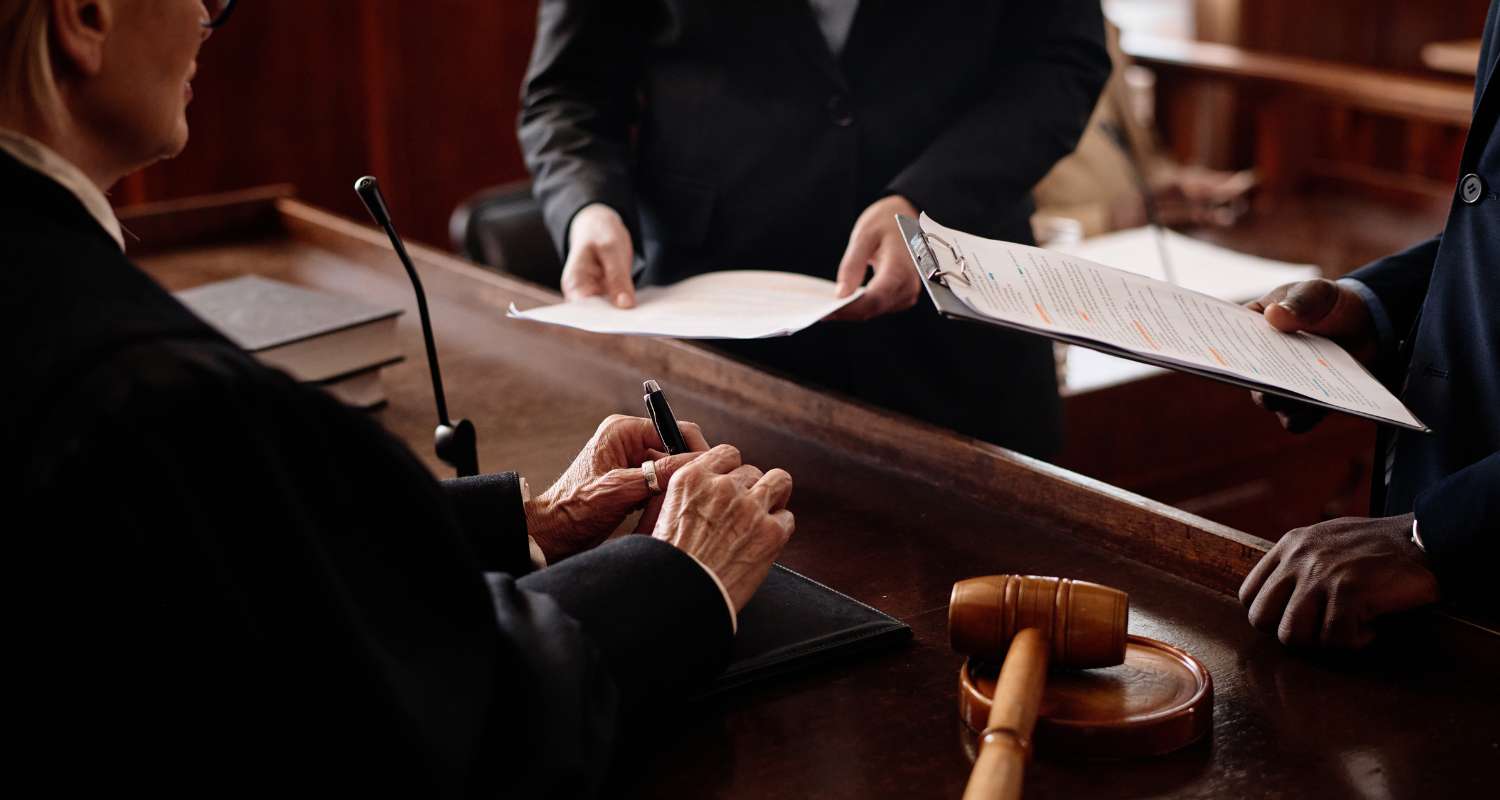
By the time Maria’s case resolved, her total legal costs were nearly double the base fee she originally agreed to. She later shared that if she had known more about these additional categories of fees in advance, she would have asked for a more detailed fee agreement.
Final Thoughts on Additional DUI Attorney Fees Texas
Understanding additional DUI attorney fees in Texas isn’t just about budgeting money—it’s an important part of building a smart legal strategy. When you know the different categories of costs that may arise, you’re better equipped to budget realistically, choose an attorney who truly fits your situation, ask informed questions, and avoid unpleasant surprises along the way. That knowledge also helps you understand why certain legal services cost what they do, instead of feeling caught off guard when extra fees appear. DUI defense is rarely inexpensive, especially when you consider the many moving parts of the legal process, but with clear communication, realistic expectations, and a solid understanding of potential costs, you can move forward with confidence rather than uncertainty.